
Cannabis Education
Let me tell you something about old seeds. They’re like vintage wine, except instead of getting better with age, they become increasingly stubborn little time capsules that may or may not decide to cooperate with your germination dreams. After four decades of breeding cannabis and creating seeds from over 200 cultivars, I’ve learned that dealing with aged genetics is part science, part art, and part prayer to the cannabis gods.
True to Plant Editorial · February 16, 2026
Compliance Briefs
Let’s be brutally honest here: if you’re running a cannabis business in 2026, you’re probably still getting absolutely demolished by one of the most punitive tax provisions ever crafted by Congress. I’m talking about Section 280E, that 1982 legislative relic that treats your perfectly legal (at the state level) dispensary like Pablo Escobar’s cartel operation.
True to Plant Editorial · February 16, 2026
Terpenes
In modern cultivation, lighting is more than just a way to help plants grow—it’s a powerful tool for shaping plant chemistry. One of the most exciting advancements in recent years is LED spectrum optimization for maximum terpene development.
True to Plant Editorial · February 11, 2026
Terpenes
Terpenes are the compounds responsible for the aroma, flavor, and overall character of a plant. For growers focused on quality, increasing terpene expression has become just as important as improving yield or potency. One of the most effective ways to enhance terpene levels naturally is through organic soil amendments.
True to Plant Editorial · February 11, 2026
Terpenes
Terpenes are the powerhouse compounds behind aroma, flavor, and overall plant expression. Whether you’re cultivating cannabis or working with other terpene-rich plants, boosting terpene production can significantly improve quality and value.
True to Plant Editorial · February 11, 2026

Terpenes
Breeding high-terpene cannabis strains doesn’t happen overnight. It takes patience, plant science, trial and error, and a deep understanding of genetics. Over the past decade, cultivators have shifted their focus from simply increasing THC levels to developing rich terpene profiles that deliver unique aromas, flavors, and well-rounded effects.
True to Plant Editorial · February 11, 2026
Chemotypes
When Tata Chemicals built a digital twin of their carbonation towers, they weren’t thinking about basil. But the logic mirrors what happens inside every leaf: precise chemical conversions, minimal waste, maximum yield. That single percentage point improvement in carbonation efficiency generated $400,000 annually. Plants have been optimizing similar processes for millions of years.
True to Plant Editorial · January 30, 2026
Chemotypes
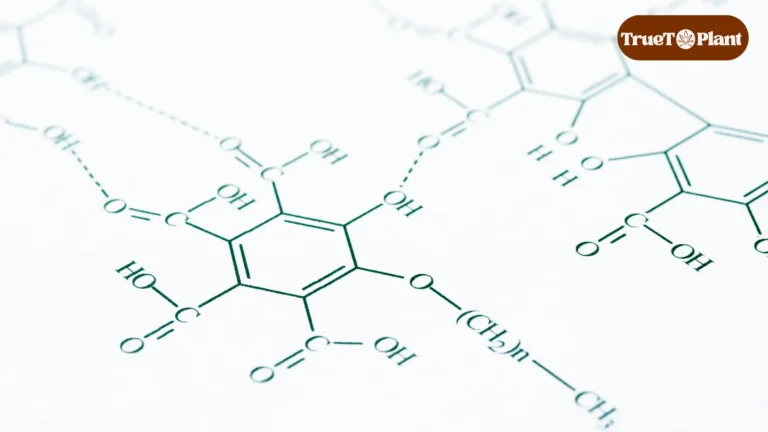
Somewhere between nature photography and climate storytelling, the phrase inspired by nature became a shortcut for everything from adaptive camouflage to biodegradable plastics. Stanford’s octopus-inspired synthetic skin mimics color-shifting complexity. Bioprinted microneedles borrow from bee stinger architecture. These breakthroughs represent genuine ecological wisdom translated into positive transformation. But walk down any product aisle and you’ll see the same phrase slapped on bottles with a leaf logo and nothing else.
True to Plant Editorial · January 30, 2026
Chemotypes
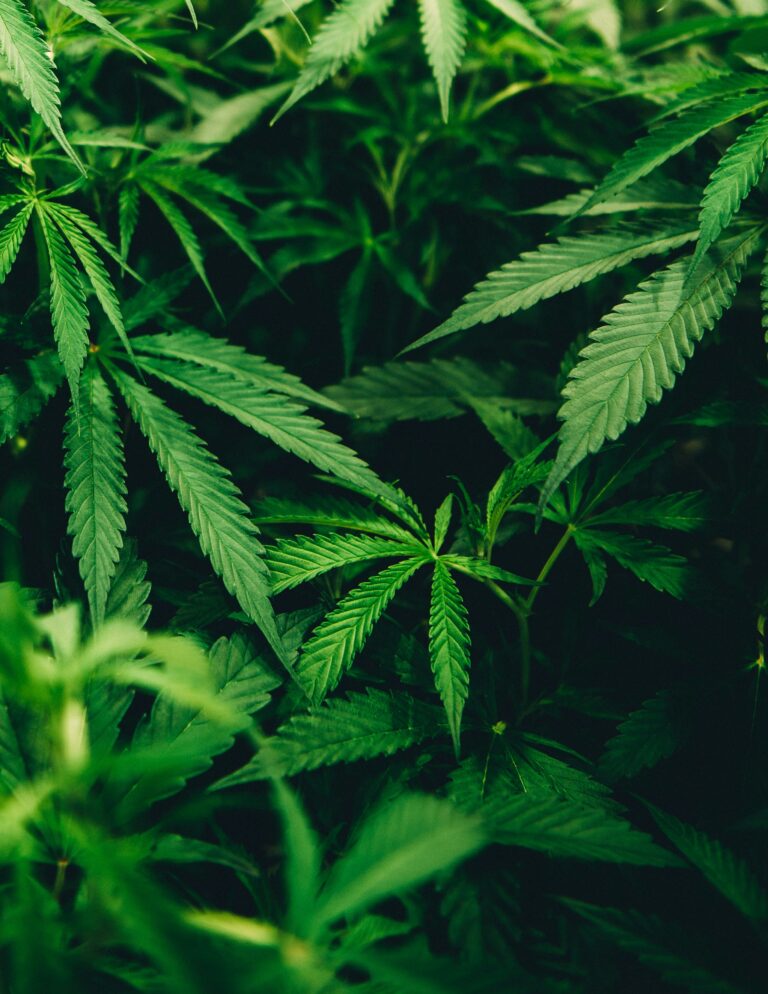
If you formulate cannabis products, you already understand how two plants from the same strain can produce dramatically different therapeutic properties. That same principle drives chemotype classification in essential oils. Much like cannabis, plants act as natural chemists, shaping their chemical expression through environment and genetics—concepts explored further in our guide on how plants function as natural chemists.
True to Plant Editorial · November 19, 2025
Chemotypes
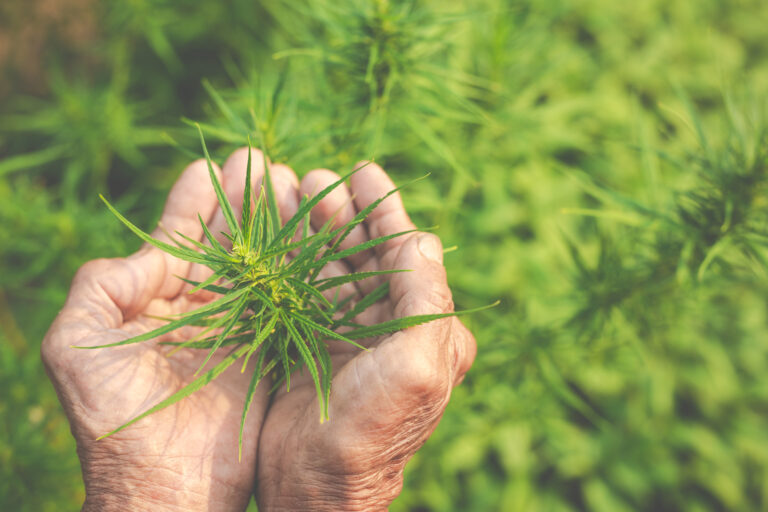
When you experience cannabis, you’re encountering far more than Tetrahydrocannabinol (THC) and Cannabidiol (CBD). The aroma profile that defines each strain comes from terpenes—volatile compounds that shape both sensory experience and physiological effects. Research reveals these phytochemicals activate CB1 receptors at 10–50% of THC’s activity, influencing neurotransmitter interactions without causing intoxication on their own.
True to Plant Editorial · November 19, 2025