Recent News

Category: Chemotypes

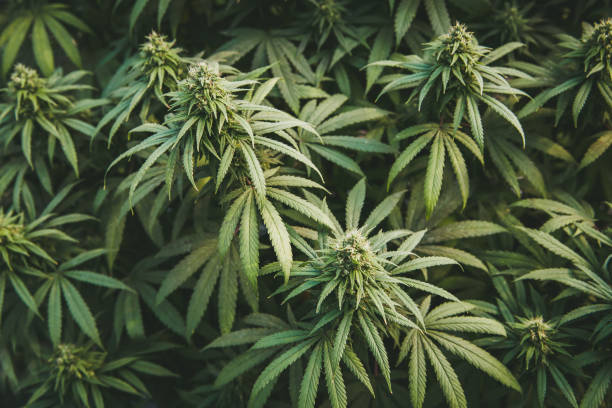
Cannabis bud infected with gray mold bud rot showing brown discoloration and fungal growth on dense cola

5 ways natural chemotypes improve botanical products

Most botanical products treat plants like ingredients lists rather than chemical blueprints. You'll find "aloe extract" or "green tea" on labels, but those terms hide enormous variation. A calendula extract might contain dozens of different flavonoid ratios depending on harvest timing, soil chemistry, and processing methods. That inconsistency creates a real problem when you're formulating for sensitive skin or targeting specific hydration outcomes.
Read more
Modern LED grow light illuminating healthy cannabis plants with dense buds in indoor grow tent setup

5 ways plants benefit wellness skincare formulas

Your skin recognizes plant chemistry in ways synthetic ingredients can't replicate. When you apply wellness skincare formulated with botanical compounds, you're working with plant secondary metabolites - defensive molecules plants evolved to protect themselves from UV radiation, oxidative stress, and environmental damage. These same compounds address sun damage, support collagen production, and deliver antioxidant protection at the cellular level where aging actually begins.
Read more

Modern LED grow light illuminating healthy cannabis plants with dense buds in indoor grow tent setup

Precision botanical formulation: what it really means

Most natural supplements treat plant chemistry like a rough sketch when it should be a blueprint. You've probably seen labels listing "chamomile extract" or "lavender oil" without any detail about what's actually inside. The problem? A single plant species produces dozens of plant secondary metabolites that shift based on growing conditions, harvest timing, and extract preparation methods. Batch production becomes a gamble when manufacturers skip the hard work of chemical profiling.
Read more

How to identify nature inspired wallpaper and design elements

Here's something most design blogs won't tell you: the difference between real nature inspired wallpaper and superficial patterns isn't just aesthetic - it's measurable in your nervous system. Research from Dr. Yangang Xing shows that authentic biophilic design triggers statistically significant improvements in attention, recovery, and inspiration, with richer natural patterns producing stronger effects. The Penn Center for Neuroaesthetics found that spaces with genuine biophilic elements scored higher in aesthetic appreciation compared to generic alternatives.
Read more
How Plants Create Complex Chemistry

What does inspired by nature really mean?

Somewhere between nature photography and climate storytelling, the phrase inspired by nature became a shortcut for everything from adaptive camouflage to biodegradable plastics. Stanford's octopus-inspired synthetic skin mimics color-shifting complexity. Bioprinted microneedles borrow from bee stinger architecture. These breakthroughs represent genuine ecological wisdom translated into positive transformation. But walk down any product aisle and you'll see the same phrase slapped on bottles with a leaf logo and nothing else.
Read more
1 2 3

Most Read

Quick Links

© 2025 True To Plant. All Rights Reserved.