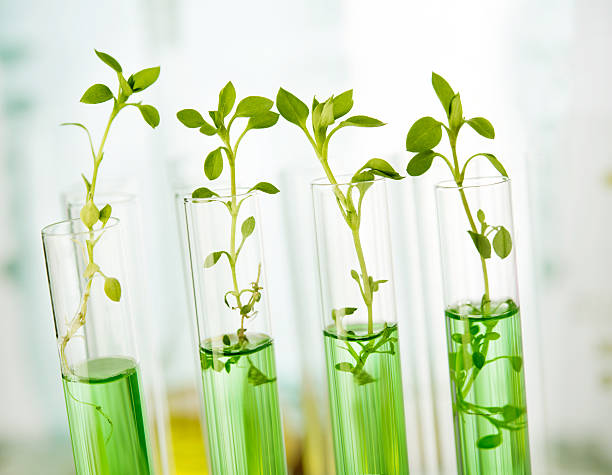
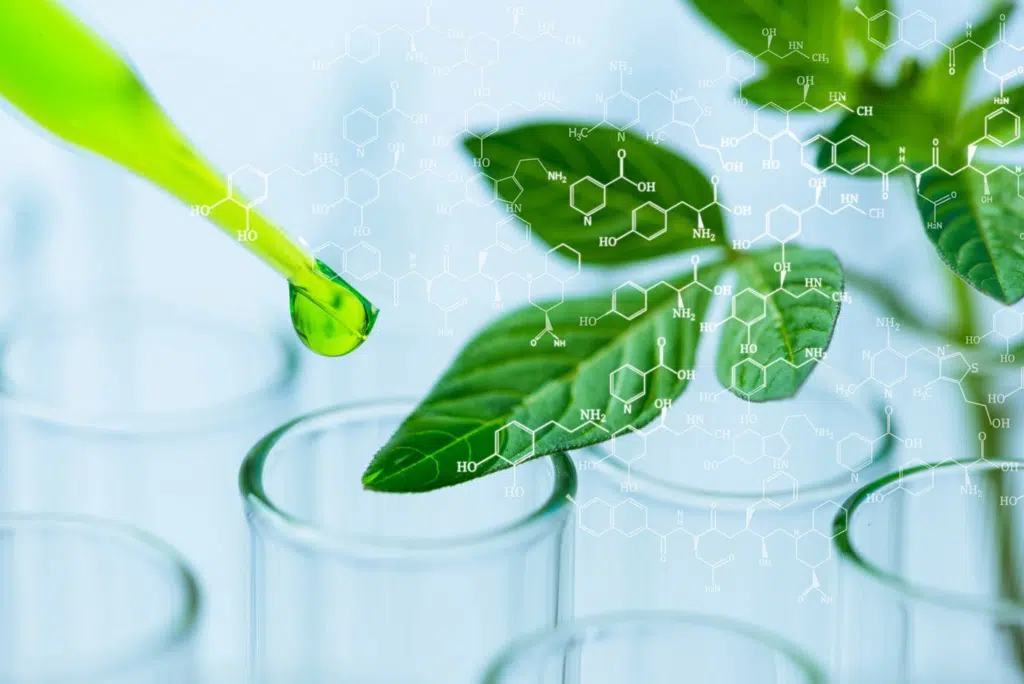
Wild plants operate as precision chemical factories, synthesizing hundreds of bioactive compounds in response to their environment. A single wild Allium species can produce flavonoid concentrations significantly higher than its cultivated counterpart, sometimes double or triple the levels found in grocery store varieties. These phytochemicals aren’t accidents of nature. They’re sophisticated defense mechanisms developed over millennia through complex pathways of plant metabolite formation.
When you harvest edible wild plants, you’re collecting the output of an uncontrolled laboratory. Seasonal timing shifts essential oil profiles dramatically, often resulting in distinct chemotypes within the same species. Soil composition alters phenolic concentrations. Even the amount of UV exposure changes which protective compounds a plant prioritizes. Research on wild species reveals that genotype and environmental factors work together, creating biochemical signatures as unique as fingerprints.
This wild variability presents both opportunity and challenge. The same plant harvested in spring versus fall can deliver entirely different phytochemical profiles. For food producers and botanical companies, this creates a fundamental tension: nature’s chemical diversity is valuable, but customers expect consistent quality every time.
The question isn’t whether wild plants contain beneficial compounds they clearly do. The challenge lies in capturing that biochemical potential while maintaining the standardized profiles that modern markets demand. Bridging this gap requires rethinking how we source, test, and verify botanical ingredients from wild populations.
What Makes Wild Plants Chemically Unique
Understanding chemotypes distinct chemical profiles within the same species—explains why wild plants deliver such variable results. Unlike cultivated crops bred for uniformity, wild populations maintain genetic diversity that translates directly into biochemical variation. Two wild leek plants growing 50 feet apart can produce different concentrations of allicin and sulfur compounds based on their individual genetics and microenvironment.
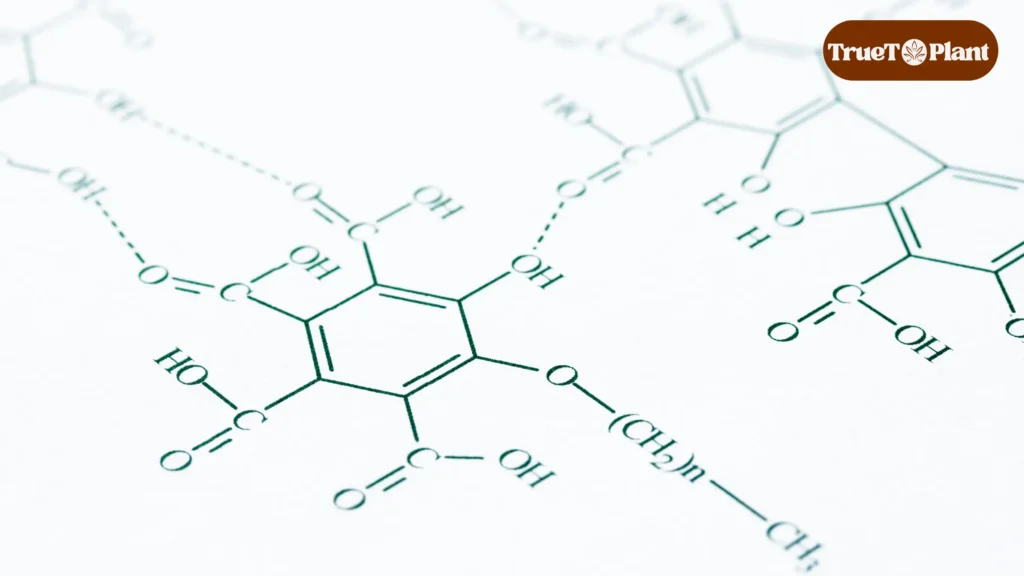
Secondary metabolites drive this chemical complexity. These compounds, including flavonoids, terpenoids, and phenolics, serve as plant defense systems rather than growth essentials. Their production is governed by pathways detailed in research on plant secondary metabolites. Research on Curcuma caesia revealed that essential oil composition varied substantially across wild accessions, with some chemotypes producing entirely different dominant compounds.
Cultivated varieties lose this diversity through selective breeding. Farmers prioritize yield, appearance, and shelf stability not phytochemical richness. Wild Allium species demonstrate this contrast clearly, with studies documenting flavonoid levels in wild specimens that significantly exceed their domesticated relatives.
Geographic location adds another layer of variation. Wild leek populations show genetic distinctions between regions, creating chemotype differences that persist across generations. What appears to be the same species may represent biochemically distinct populations adapted to local conditions over centuries.
This inherent variability creates the central challenge for botanical sourcing: capturing nature’s chemical diversity while delivering predictable, standardized products that meet regulatory requirements and customer expectations.
WHO Guidelines for Standardization of Medicinal Plants
The World Health Organization established comprehensive frameworks to transform botanical materials from variable wild sources into standardized medicinal products. These protocols address the fundamental tension between nature’s chemical diversity and pharmaceutical consistency requirements.
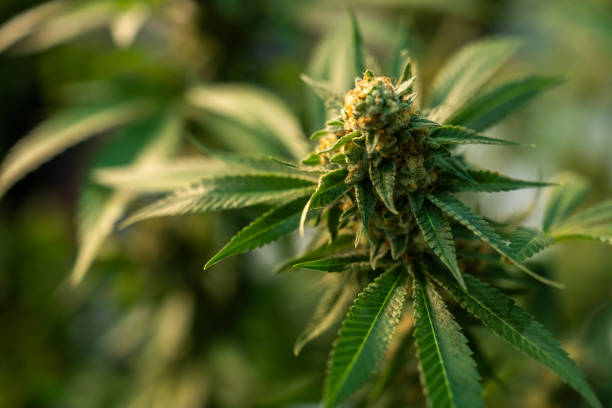
Marker compound identification forms the cornerstone of botanical standardization. Rather than measuring every chemical constituent, quality control focuses on specific bioactive molecules that represent therapeutic activity. These often include terpenes, flavonoids, and phenolics—classes of compounds extensively documented in cannabinoid-adjacent plant chemistry research such as that found on Cannabis Terpenes.
Pharmacopoeial monographs translate these WHO principles into enforceable specifications, enabling botanical companies to deliver products with verified potency despite sourcing from genetically diverse wild populations.
From Field Variability to Formula Consistency
Transforming wild-harvested botanicals into standardized formulations requires systematic extraction protocols that compensate for inherent chemical variability. Solvent selection determines which compounds you’ll isolate and at what concentrations.
Chemotype fingerprinting identifies which chemical variants you’re processing before extraction begins. When working with terpene-rich plants, for example, understanding dominant profiles ensures compatibility with intended applications, an approach commonly used in terpene-driven formulation science highlighted across resources like Cannabis Terpenes.
Quality control protocols establish acceptable ranges rather than absolute values, acknowledging natural variation while maintaining narrow tolerances. Companies like True To Plant apply these standards to ensure botanical integrity throughout ingredient sourcing and formulation processes.
Precision From the Wild
Advanced analytical platforms bridge the gap between field variability and formulation reliability. Liquid chromatography coupled with mass spectrometry identifies and quantifies individual compounds within complex botanical matrices, creating detailed chemical fingerprints.
True To Plant applies this precision to wild plant chemistry, replicating natural chemotypes through controlled formulation processes. The approach maintains botanical authenticity while delivering the consistency that modern applications require capturing nature’s biochemical sophistication without inheriting its unpredictability. Laboratory standards meet wild complexity when analytical rigor guides every sourcing and processing decision.