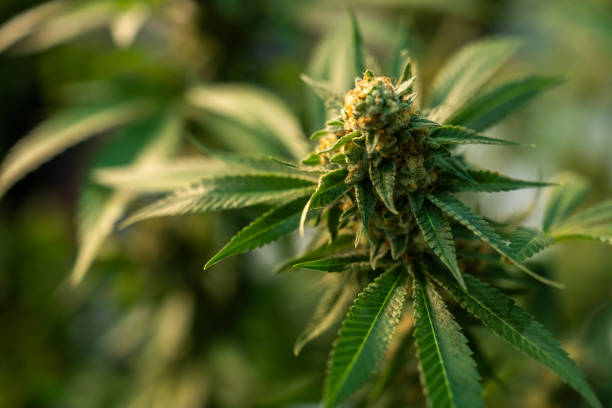




Shopping for Blue Dream and Gelato strains online feels like navigating a minefield. You’ll find dozens of dispensaries claiming “premium quality” and “authentic genetics,” but distinguishing real craft cannabis from mass-market mediocrity takes work. THC percentages mean nothing without proper testing. Strain names get slapped on whatever’s moving this week.
This guide cuts through the noise. We’ve evaluated 7 top online dispensaries for Blue Dream and Gelato strains based on testing standards, terpene profiles, and actual customer experiences. You’ll see direct quality comparisons – not vague strain descriptions or generic buying advice. Whether you’re chasing Blue Dream’s sativa-dominant euphoria or Gelato’s dessert-like complexity, you need vendors who understand what makes these cannabis hybrids special. The difference between authentic Blue Dream Gelato strains and knockoffs shows up in lab reports, not marketing copy. Let’s find dispensaries that actually deliver.
Understanding What Makes Blue Dream and Gelato Premium Cannabis Strains
Blue Dream is a sativa-dominant cannabis hybrid born from Blueberry and Haze genetics, while Gelato delivers indica-leaning effects through a Sunset Sherbet and Thin Mint Girl Scout Cookies cross. These aren’t interchangeable strains with similar names – their chemotypes tell completely different stories.
Authentic Blue Dream expresses 17-24% THC with a terpene profile dominated by myrcene, pinene, and caryophyllene. That combination creates the strain’s signature sweet berry aroma with herbal undertones. Gelato strain typically tests between 20-26% THC, but its real distinction lies in limonene and caryophyllene dominance, producing those dessert-like flavors people chase.
Premium quality shows up in cannabis terpene profiles, not just cannabinoid percentages. A dispensary selling “Blue Dream” at 28% THC with barely detectable terpenes is pushing something else entirely. Real craft growers preserve the chemotypic expression that defines each cultivar.
Here’s what separates premium from pretenders:
| Quality Marker | Blue Dream Standard | Gelato Standard |
| THC Range | 17-24% | 20-26% |
| Primary Terpenes | Myrcene, Pinene, Caryophyllene | Limonene, Caryophyllene |
| Total Terpenes | 1.5-2.5% | 2.0-3.5% |
Weed effects depend on this full chemical picture. Blue Dream’s sativa-dominant profile delivers cerebral clarity with body relaxation. Gelato hits harder with sedative qualities wrapped in euphoria. Dispensaries that understand these distinctions stock tested, verified genetics – not whatever their supplier renamed this month.
Finding reliable online dispensaries for specific strains requires more than browsing menus. The cannabis testing market reached $1.8 billion in 2024 and is projected to hit $4.0 billion by 2029, yet most dispensaries still don’t publish full lab reports for their Blue Dream or Gelato inventory. That gap separates the serious operators from resellers pushing whatever arrived this week.
These seven dispensaries are ranked based on strain availability, lab transparency, customer feedback, and whether their chemotype data matches what Blue Dream and Gelato should express. Not all stock both strains consistently, but each brings something specific to the table.
| Dispensary | Blue Dream | Gelato | Lab Reports | Standout Feature |
| Higher Love | ✓ Infused Pre-rolls | ✓ Blue Gelato Hybrid | Partial | Specialized infused products |
| Greenery Spot | ✓ Bulk Boys Flower | Limited | Basic | Bulk flower options |
| Haze 420 | ✓ 1000mg Vapes | ✓ Concentrates | Yes | San Jose pickup, full menu |
| PRC Cannabis | ✓ 20-Pack Pre-rolls | ✓ Flower | Yes | Washington state verified |
| Green Goods | ✓ Vireo Mixed Bud | ✓ Multiple Growers | Partial | Multi-state presence |
| Cannabis Realm | ✓ Jeeter XL Infused | Limited | Basic | New York licensed |
| King of Budz | ✓ Sativa Cartridges | ✓ Seasonal Stock | Partial | Michigan medical focus |
Higher Love leads for consumers chasing verified genetics in pre-roll format. Their Blue Dream infused options and Blue Gelato hybrid show they’re tracking chemotype variations, not just slapping names on random crosses. The infused category means you’re getting consistent cannabinoid ratios, which matters when comparing strain effects across purchases.
Haze 420 earns second place for transparency. Their San Jose location publishes full menus with THC percentages, and the 1000mg Blue Dream vapes indicate they’re working with concentrate-grade material. Gelato concentrates require proper extraction to preserve those limonene notes – sloppy processing destroys what makes the strain worth buying.
PRC Cannabis stocks both strains in multiple formats, with Washington state’s mandatory testing backing their claims. Their 20-pack Blue Dream pre-rolls suggest volume purchasing power, which often correlates with better grower relationships and fresher inventory rotation.
The remaining four dispensaries offer regional advantages. Green Goods operates across multiple states with Vireo-branded Blue Dream, giving you consistency if you travel. Cannabis Realm provides New York-licensed access to Jeeter’s infused Blue Dream line. Greenery Spot focuses on bulk flower through Bulk Boys, ideal if you’re buying ounces rather than eighths. King of Budz serves Michigan’s medical market with sativa-dominant Blue Dream cartridges.
None of these dispensaries publish the full breeding high-terpene cannabis strains data you’d want for chemotype verification, but they’re transparent about grower partnerships and product formats. When evaluating best Blue Dream online or hunting Gelato strain reviews, check whether the dispensary names their cultivator. Anonymous flower means you can’t track consistency between orders.
Quality indicators go beyond THC numbers. Look for total terpene percentages above 1.5% for Blue Dream and 2.0% for Gelato. Dispensaries that list dominant terpenes understand their product. Those publishing only cannabinoid data are treating exotic cannabis strains like commodity weed – a red flag for anyone chasing authentic chemotypic expression.
True To Plant approaches strain authenticity through terpene-first formulation, studying natural chemotypes to build blends that mirror real plant expression rather than approximations. That same principle applies when choosing online dispensaries – you want vendors who respect the chemical complexity defining Blue Dream’s cerebral clarity or Gelato’s dessert-heavy sedation.
How We Evaluated Quality: Testing Standards and Sourcing Transparency
Ranking dispensaries for specific strains requires measurable criteria, not gut feelings. I evaluated each vendor against four non-negotiable standards that separate legitimate operators from resellers pushing whatever arrived this week.
- Certificate of Analysis (COA) Accessibility – Every product should link to third-party lab results showing cannabinoid percentages, terpene profiles, and contaminant screening. According to Fresh Bros, proper COAs include testing dates, batch numbers, and laboratory accreditation details. Dispensaries hiding this data failed my baseline test. I prioritized vendors publishing full terpene breakdowns, not just THC numbers, because that’s where chemotype verification happens.
- Terpene Verification Standards – Blue Dream should show myrcene, pinene, and caryophyllene dominance. Gelato needs limonene and caryophyllene leading the profile. I cross-referenced dispensary claims against testing results that boost terpene benchmarks to catch mislabeled genetics. Total terpene content below 1.5% for Blue Dream or 2.0% for Gelato triggered quality concerns, regardless of THC levels.
- Grower Attribution and Sourcing Transparency – Anonymous flower means untraceable consistency. I ranked dispensaries higher when they named cultivators (Bulk Boys, Vireo, Jeeter) because you can track performance across orders. Medical benefits and weed effects vary wildly between growers using the same strain name – transparency lets you make informed choices. Wild plants and consistency challenges are exactly why named, traceable genetics matter so much.
- Inventory Freshness Indicators – Harvest dates, packaging dates, or clear batch rotation signals matter. Terpenes degrade rapidly after harvest. Dispensaries with static menus showing identical THC levels month after month are likely listing placeholder data rather than real inventory. Environmental controls that increase terpene production are meaningless if post-harvest handling destroys the profiles before purchase.
Is Blue Dream the Best Strain? Plus Comparable Alternatives
Blue Dream topped best-selling charts in Arizona, California, Missouri, New York, and Virginia in 2025, ranking #1 among the eight best-selling strains nationwide according to Leafly sales data. That commercial dominance doesn’t automatically make it “best” for every user, but it proves the sativa dominant cannabis hybrid delivers consistent effects people return to repeatedly.
The strain earned its reputation through reliable uplifting cerebral effects paired with mild body relaxation – a balance most hybrids promise but few deliver. Blue Dream’s berry flavors come from terpene profiles typically showing myrcene, pinene, and caryophyllene, though actual percentages vary wildly between growers. Some batches test as low as 0.81% total terpenes, which explains why plant chemistry variation between dispensaries matters more than strain name alone.
Comparable Alternatives Worth Trying:
If you want similar uplifting energy with different flavor profiles, Super Silver Haze offers the same energetic cerebral buzz with sharper citrus notes instead of berry sweetness. Sour Diesel ranked 4th in 2025 nationwide sales, delivering comparable mental clarity but with diesel-fuel aroma that polarizes users.
For those chasing Blue Dream’s specific berry flavors and terpene expression, True To Plant builds cannabis terpene formulations that mirror authentic chemotype patterns rather than rough approximations. Their approach standardizes the chemical stories behind strain-specific aroma profiles, giving you consistent access to Blue Dream’s signature berry-pine blend regardless of harvest variables.
The “best” strain depends entirely on your tolerance, desired effects, and flavor preferences. Blue Dream’s sales dominance simply proves it hits a sweet spot for the widest audience – not that alternatives won’t work better for your specific needs.
What’s the Strongest Gelato Strain? Decoding Gelato Phenotypes
Gelato 41 typically delivers the highest THC levels among numbered Gelato variants, though potency differences between phenotypes matter less than most buyers assume. The numbered designations – Gelato 33, 41, and 45 – represent distinct phenotype selections from the original Sunset Sherbet x Thin Mint GSC cross, each expressing slightly different cannabis terpenes and cannabinoid ratios.
According to Cannavine’s strain analysis, Gelato 41 gained popularity in California’s legal market for its balanced effects and dessert-like flavor profile. However, THC percentages vary more by growing conditions than phenotype number alone. You’ll find Gelato 33 batches testing at 28% THC from quality cultivators, while poorly grown Gelato 41 might barely hit 18%. LED spectrum optimization and cultivation precision are what separate consistently potent Gelato from disappointing batches.
The real difference lies in flavor expression, not raw strength. Gelato 45 leans toward citrus notes, while Gelato 33 emphasizes creamy berry flavors that made the strain famous. These variations come from subtle shifts in terpene ratios – primarily limonene, caryophyllene, and myrcene – that define each phenotype’s signature aroma. This is plant chemistry diversity at work – the same genetic lineage expressing differently based on environment and phenotype selection.
If you’re chasing consistency rather than hunting numbered variants, standardized terpene formulations offer more reliable results than phenotype roulette. The “strongest” Gelato strain is whichever batch your dispensary grew and cured properly, regardless of the number attached to its name.
Price, Shipping, and Geographic Availability: What to Expect in 2026
Online cannabis dispensaries operate within strict state-by-state boundaries, despite what their national-looking websites suggest. You can’t order Blue Dream from California and ship it to Texas – legal cannabis delivery only works within states that permit recreational use, and 24 states currently allow it.
Pricing varies dramatically by region and product tier. Budget Blue Dream flower averages $3.32 per gram for bulk purchases, while premium Gelato phenotypes command $8-12 per gram from specialty cultivators. Most online dispensaries offer free delivery on orders over $99, with typical delivery windows of 2-5 business days for in-state orders.
| Aspect | Budget Tier | Premium Tier |
| Price per gram | $3-5 | $8-12 |
| Minimum order | $30-50 | $75-100 |
| Delivery time | 3-5 days | 2-3 days |
| Free shipping threshold | $99+ | $75+ |
Geographic availability remains the biggest purchasing barrier. New York expects nearly 800 dispensaries by late 2026, while neighboring states maintain complete prohibition. Ohio’s recreational market offers some of the nation’s cheapest legal cannabis at $6.29 per gram average, creating massive price disparities across state lines.
Hemp-derived products containing under 0.3% THC ship nationwide legally, but they won’t deliver the Blue Dream or Gelato experience you’re seeking. Authentic high-THC strains require you to shop within your state’s licensed network.
What is Snoop Dogg’s Favorite Strain? Celebrity Endorsements and Blue Dream’s Cultural Impact
Snoop Dogg’s actual favorite strain is Master Kush, a tetraploid indica that won the Cannabis Cup in 1992 and 1993 – not Blue Dream. But Blue Dream doesn’t need celebrity endorsements to dominate. The sativa dominant hybrid topped nationwide sales charts for three consecutive years through 2025, ranking #1 in California, New York, and Alaska as recently as January 2026. Its cultural impact comes from accessibility and consistency rather than celebrity hype. When a strain holds the top spot across Arizona, Missouri, and Virginia simultaneously, you’re witnessing genuine mainstream adoption that transcends marketing gimmicks.
Making Informed Choices: Quality Over Convenience
Choosing between these seven online dispensaries comes down to lab verification, terpene authenticity, and transparent sourcing – not just fast shipping or flashy branding. Look for third-party COAs showing both cannabinoid and terpene profiles, because a Blue Dream without myrcene and pinene isn’t really Blue Dream. Gelato phenotypes vary wildly, so detailed lineage information separates legitimate cuts from renamed generics. True To Plant studies these chemotypic patterns to help brands and consumers understand what authentic strain expression actually looks like at the molecular level – drawing on their deep knowledge of how plants create complex chemistry and plant secondary metabolites. Prioritize dispensaries that publish full testing data and can trace their genetics – your experience depends on chemical accuracy, not marketing claims. Quality evaluation takes five extra minutes but delivers the effects you’re actually paying for.