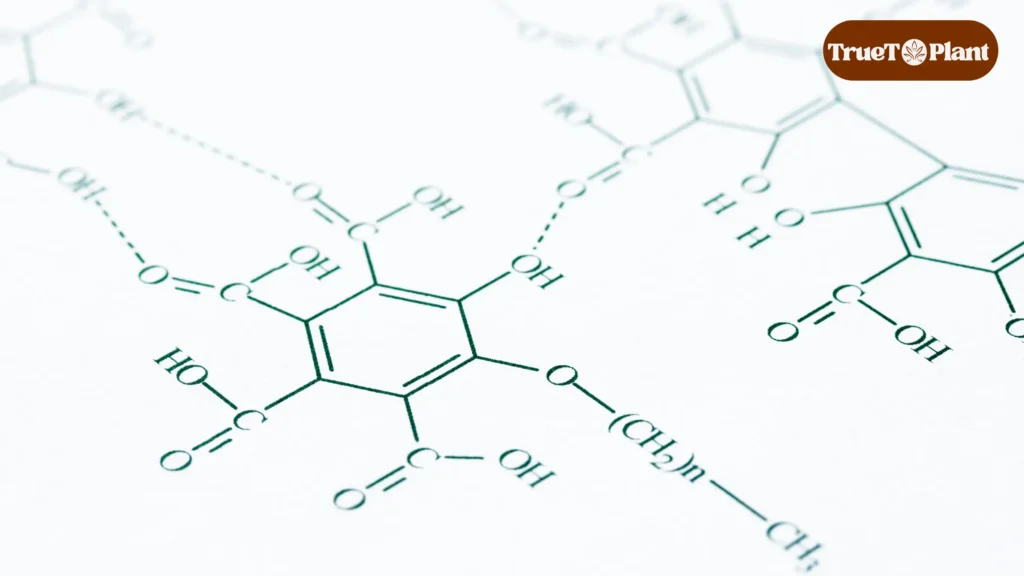


Your skin recognizes plant chemistry in ways synthetic ingredients can’t replicate. When you apply wellness skincare formulated with botanical compounds, you’re working with plant secondary metabolites – defensive molecules plants evolved to protect themselves from UV radiation, oxidative stress, and environmental damage. These same compounds address sun damage, support collagen production, and deliver antioxidant protection at the cellular level where aging actually begins.
Recent clinical studies show plant polyphenols like trans-resveratrol measurably reduce wrinkles while regulating sebum for both dry skin and oily skin concerns. Plant oils naturally contain flavonoids and saponins that act as effective age-supportive ingredients while providing anti-inflammatory benefits for sensitive skin. This isn’t just purposeful living skincare & wellness marketing – it’s biochemistry that mirrors your skin’s own defense systems.
The difference between plant-based and synthetic formulations comes down to complexity. Where synthetic ingredients target single pathways, botanical compounds work through multiple mechanisms simultaneously. They function as natural moisturizers while delivering stress-relieving aromatherapy benefits that connect your skincare ritual to mindfulness practices. Your skin gets visible firming results while your nervous system registers the subtle, plant-based fragrance as a wellness signal – not an overwhelming synthetic scent.
What Are the Benefits of Plants in Skincare?
Plants deliver measurable wellness and skincare benefits through concentrated phytonutrients that work at the cellular level. Here’s how botanical compounds outperform synthetic alternatives:
- Phytonutrients Activate Cellular Defense Systems – Compounds like resveratrol, curcumin, and sulforaphane activate your skin’s NRF2 pathway, triggering antioxidant production that combats oxidative stress before visible damage appears. This cellular activation reduces inflammation and delays aging mechanisms synthetic ingredients can’t access.
- Multi-Pathway Action Addresses Multiple Skin Concerns – Plant oils containing flavonoids and saponins simultaneously regulate sebum for oily skin, provide deep hydration for dry skin, and calm inflammation for sensitive skin. Where synthetic formulations target single issues, botanical compounds work through interconnected pathways for comprehensive results.
- Collagen Production Gets Natural Support – Astragalus polysaccharides preserve existing collagen while stimulating new synthesis, delivering firming and lifting effects you can measure. These age-supportive compounds also protect against sun damage through UV-defensive mechanisms plants evolved over millions of years.
- Non-Toxic Ingredients With Proven Performance – Plant-derived surfactants from species like Albizia amara match synthetic detergent performance in emulsifying and cleansing while maintaining skin compatibility. You get effective formulation without compromising on ingredient integrity.
- Aromatherapy Benefits Connect Skin to Nervous System – Subtle plant-based fragrances from cosmetic formulation design deliver stress relief during your skincare ritual. Your mind registers botanical scents as calming signals, transforming a natural moisturizer application into a mindfulness practice that supports whole-body wellness.
1. Plants Deliver Targeted Antioxidants That Fight Free Radicals and Sun Damage
When you apply Centella asiatica extract to sun-exposed skin, you’re delivering asiaticoside – a triterpenoid that directly upregulates collagen genes Col1a1 and Col3a1 while suppressing the matrix metalloproteinases that break down existing collagen. This isn’t abstract biochemistry. Clinical measurements show restored collagen protein levels and enhanced antioxidant defenses in UV-damaged skin, giving you the firming results wellness skincare should deliver.
Plant antioxidants work through dual mechanisms that synthetic ingredients can’t replicate. Flavonoids from sources like Platycodonis radix scavenge free radicals directly – matching vitamin C in DPPH assays – while simultaneously activating your skin’s Nrf2-Keap1 pathway. This genetic switch boosts production of superoxide dismutase and catalase, enzymes that neutralize oxidative stress before it degrades collagen or triggers visible aging.
Plant oils rich in polyphenols offer photoprotective effects against UV damage through antioxidant action rather than physical blocking. Your skin benefits from measured Sun Protection Factor values while receiving deep hydration suitable for dry skin, sebum regulation for oily skin, and gentle protection for sensitive skin – all from the same botanical source.
| Plant Source | Active Compound | Measured Benefit |
| Centella asiatica | Asiaticoside | Upregulates collagen genes, suppresses MMPs |
| Platycodonis radix | Flavonoids | Free radical scavenging comparable to vitamin C |
| Purple sweet potato | Anthocyanins | ORAC values up to 3.84 μmol TE/g |
The age-supportive advantage comes from complexity. Where synthetic antioxidants provide single-pathway protection, plant compounds deliver coordinated defense through multiple biochemical routes. You get collagen production support, oxidative stress reduction, and UV damage protection from interconnected phytonutrient systems that evolved to keep plant cells alive under harsh conditions.
2. Botanical Ingredients Provide Natural Moisturizer Solutions for Every Skin Type
Your skin’s hydration needs shift with seasons, climate, and individual biology. Plant-based moisturizers adapt to these changes through secondary plant metabolites that respond to different skin conditions without the one-size-fits-all limitations of synthetic formulations.
Hyaluronic acid, a polysaccharide derived from botanical fermentation, holds water molecules while stimulating your skin’s own moisture production. For dry skin facing winter conditions, this dual action delivers deep hydration that synthetic humectants can’t match. Oily skin benefits from lactic acid’s water-attracting properties that moisturize without adding surface oils. Sensitive skin responds to plant oils containing anti-inflammatory compounds that hydrate while calming reactivity.
Seasonal shifts demand adaptive formulations. Climate-responsive home skincare and wellness products now represent the fastest-growing segment in botanical beauty, driven by consumers who need winter protection and summer lightness from the same natural moisturizer source. Nilotica Shea Butter exemplifies this versatility – it provides cold-weather barrier protection with measured Sun Protection Factor (SPF) 25 while remaining light enough for warmer months.
| Skin Type | Botanical Solution | Seasonal Consideration |
| Dry Skin | Hyaluronic acid (polysaccharide) | Winter: barrier-building oils; Summer: lighter humectants |
| Oily Skin | Lactic acid, sebum-regulating plant oils | Year-round: non-comedogenic botanical extracts |
| Sensitive Skin | Anti-inflammatory plant compounds | All seasons: gentle hydration without irritants |
The age-supportive advantage emerges when you match plant chemistry to your specific needs. Dry skin experiencing collagen loss requires rich botanical oils that moisturize while delivering firming compounds. Oily skin prone to sun damage needs lightweight plant extracts that hydrate and protect without clogging pores. Your home skincare and wellness ritual becomes more effective when you choose botanicals aligned with both your skin type and the environmental conditions you face daily.
3. Plant-Based Formulas Enhance Wellness Beyond Skin Health
Your wellness skincare ritual does more than address dry skin or support collagen production – it actively calms your nervous system through volatile terpenes that cross the skin barrier and interact with stress pathways. When you apply formulas containing beta-caryophyllene, a sesquiterpene found in cannabis terpene profiles, you’re delivering compounds that bind to cannabinoid receptors and reduce inflammation without psychoactive effects. This isn’t alternative skincare and wellness marketing. It’s measurable neurochemistry happening while you moisturize.
Plant oils deliver aromatherapy benefits through transdermal absorption, not just inhalation. Eucalyptus and black seed essential oils penetrate skin layers when formulated in nanoemulsions, improving bioavailability of anti-inflammatory terpenes that regulate your body’s stress response. Sesquiterpenes provide relaxing effects while monoterpenes offer gentle stimulation, creating balanced wellness effects that synthetic fragrances can’t replicate. Your sensitive skin gets a natural moisturizer while your mind registers botanical signals that promote calm.
The mindfulness connection emerges from sensory engagement during application. Studies show that repeated rituals involving movement, scent, and touch improve attention and support healing through holistic patterns your nervous system recognizes. Stress directly worsens conditions like acne and eczema, making your skincare moment an opportunity to interrupt inflammatory cycles. Age-supportive formulas enriched with terpenoids like eugenol suppress stress-related cytokine production, addressing both sun damage and the cortisol response that accelerates aging. Your oily skin or dry skin concerns improve faster when you treat application as meditation rather than maintenance.
4. Ecofriendly Skincare Through Concentrated Plant Chemistry
Waterless formulations concentrate botanical actives without dilution, delivering potent age-supportive compounds directly to dry skin, oily skin, or sensitive skin concerns. Supercritical CO2 extraction pulls high-molecular-weight compounds like phospholipids and waxes from plant material without chemical solvents, preserving the complete spectrum of anti-inflammatory and collagen production-supporting molecules that heat or hexane-based methods destroy. You get ecofriendly skincare that maintains the full chemical complexity plants evolved to protect their own cells from sun damage and oxidative stress.
The precision comes from chemotype specificity – selecting plant varieties based on their exact chemical expression rather than species alone. Essential oil composition varies dramatically between chemotypes, affecting whether a natural moisturizer calms inflammation or stimulates circulation. True To Plant builds formulas that mirror complete plant profiles instead of approximating them with isolated compounds, giving you home skincare and wellness products with consistent, traceable chemistry.
Sustainable extraction methods protect both ingredient integrity and environmental resources. Traditional solvent processes leave chemical residues and generate waste, while supercritical CO2 extraction operates in closed loops that recover and reuse extraction media. Plant oils extracted this way retain antioxidant compounds at higher concentrations, delivering measurable results for concerns ranging from collagen degradation to sebum imbalance. Your ecofriendly skincare choice becomes effective precisely because it respects the chemical architecture plants spent millennia refining.
5. Plants Support Complete Facial Routine Integration
Transitioning to botanical formulations requires deliberate sequencing to prevent redness and maximize absorption. Follow these steps to incorporate plant chemistry into your facial routine without irritation.
Step 1: Start With One Botanical Product at a Time
Introduce a single plant-based natural moisturizer or serum before adding others. Apply it consistently for seven days while monitoring how your sensitive skin responds. This isolated approach lets you identify which botanical compounds work for your dry skin or oily skin concerns before layering multiple formulas. Patience during this phase prevents the inflammation that derails most transitions to wellness skincare.
Step 2: Layer From Thinnest to Thickest Consistency
Apply water-based botanical serums first, followed by plant oils, then cream formulations. This thickness-based sequencing ensures each layer penetrates properly rather than sitting on your skin’s surface. Lightweight botanical extracts delivering collagen production support absorption before richer age-supportive plant oils create a protective barrier against sun damage.
Step 3: Patch Test New Botanicals on Your Inner Forearm
Test unfamiliar plant ingredients on a small skin area for 24 hours before facial application. Even natural ingredients can trigger reactions in certain individuals. The American Academy of Dermatology recommends this precaution to avoid widespread redness from incompatible formulations.
Step 4: Respect Batch Variability in Botanical Products
Bio-based ingredients show natural variation between harvests. When switching batches of the same product, reintroduce it gradually as you would a new formula. True To Plant addresses this through chemotype-specific sourcing that maintains consistent chemical profiles across production runs, giving you predictable results from botanical formulations designed around traceable plant chemistry rather than approximate blends.
What Plants Are Good for Skincare? Essential Botanicals and Their Chemotypes
Selecting botanicals for wellness and skincare requires understanding chemotypic variation – the chemical differences between plants of the same species grown in different conditions. Two rosemary plants produce drastically different terpene profiles depending on soil, altitude, and harvest timing. True To Plant formulates around these chemotype distinctions to ensure consistent therapeutic outcomes rather than unpredictable results from generic plant extracts.
- Rosmarinus officinalis (Camphor Chemotype) – This specific rosemary chemotype concentrates camphor and 1,8-cineole, delivering measured anti-inflammatory effects for sensitive skin while supporting circulation that enhances collagen production. Unlike verbenone or cineole chemotypes, the camphor variant provides firming benefits without irritation, making it suitable for age-supportive formulas targeting dry skin conditions.
- Thymus vulgaris (Linalool Chemotype) – Thyme’s linalool chemotype offers gentle antimicrobial action for oily skin without the harsh phenolic compounds found in thymol chemotypes. This expression provides sebum regulation through terpene alcohols that balance surface oils while functioning as a natural moisturizer, addressing breakouts without stripping protective lipids.
- Lavandula angustifolia (High Linalyl Acetate) – Lavender chemotypes expressing elevated linalyl acetate deliver calming aromatherapy benefits during your skincare ritual while supporting barrier repair for sun damage. The ester-rich profile soothes inflammation and promotes mindfulness through subtle plant-based fragrance that never overwhelms.
- Helichrysum italicum (Neryl Acetate Dominant) – This immortelle chemotype concentrates neryl acetate and rare di-ketones that address visible scarring and hyperpigmentation. Plant oils from this specific expression support cellular regeneration while providing antioxidant protection against environmental stressors affecting all skin types.
- Cistus ladanifer (Labdanum Resinoid) – Rock rose resin delivers complex polyphenols and diterpenes that tighten skin architecture through measured astringent action. This botanical provides lifting effects users seek while protecting against oxidative damage through multi-pathway antioxidant mechanisms synthetic ingredients cannot replicate.
Building Your Plant-Powered Wellness Skincare Ritual
Plants transform wellness skincare through phytonutrients that activate cellular defense, support collagen production, and deliver stress relief your nervous system recognizes. You’ve learned how botanical compounds address dry skin, oily skin, and sensitive skin through multi-pathway action that synthetic ingredients can’t replicate. Plant oils provide natural moisturizer benefits while their subtle aromatherapy signals turn application into mindfulness practice.
Your next step: build a purposeful living skincare & wellness ritual around chemotype-specific botanicals that deliver consistent results. Start with one plant-based formula, layer by consistency, and respect the chemical complexity that makes botanical formulations effective for sun damage, age-supportive concerns, and whole-body wellness.
True To Plant formulates around complete plant expression rather than isolated compounds, giving you traceable chemistry that mirrors how plants actually protect themselves. Choose botanicals with precision, apply them with intention, and watch your skin respond to the molecular language it evolved to understand.