You might assume that two lavender plants of the same species would produce identical essential oils. They don’t. Plant chemistry fluctuates dramatically within a single species, sometimes showing greater variation between individual plants than between different species entirely.
Recent studies reveal this chemical diversity in action. Researchers analyzing 16 Allium species found significant differences in flavonoid and phenolic content among plants with identical DNA. Another study tracking seasonal changes in Larrea cuneifolia documented substantial shifts in antioxidant compounds throughout the year: same plant, different chemical profile at various points in time.
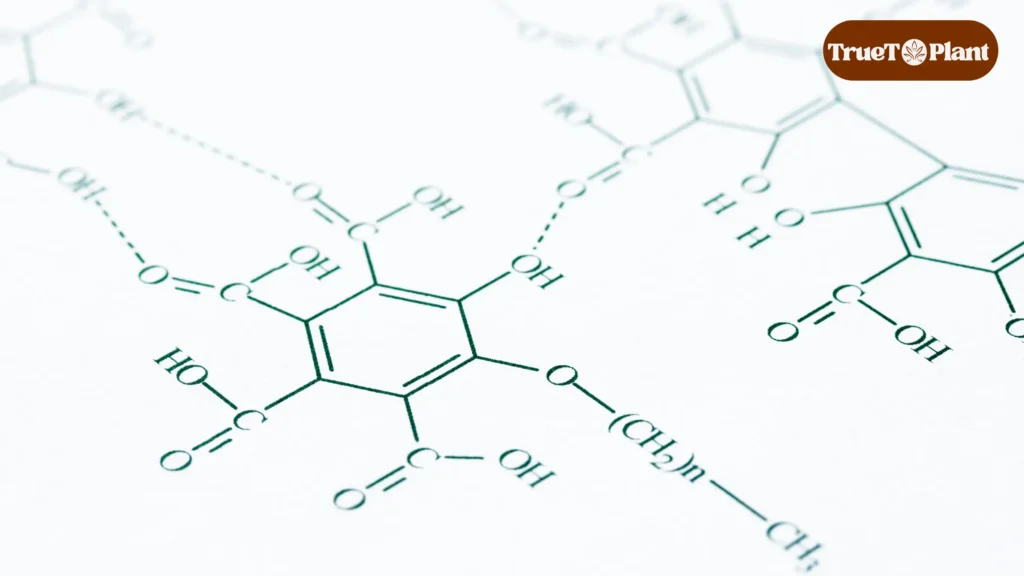
This variability isn’t random. Plants synthesize phytochemicals in response to their environment. Temperature, precipitation, soil composition, and even time of day influence which compounds appear in plant tissues and at what concentrations. A medicinal herb grown in Colorado produces different secondary metabolites than its genetic twin cultivated in Florida, a process explained in detail by plant metabolite formation pathways.
For anyone formulating botanical products or relying on medicinal plant chemistry, this presents both challenge and opportunity. Understanding what drives these biosynthetic pathways means you can predict, control, and optimize the compounds that matter most. The chemistry inside every plant tells a story about where it grew, when it was harvested, and ultimately, how it will perform.
What Are the Major Causes of Variation in Plants?
Three primary drivers shape the phytochemical profile of plants within the same species: genetic differences, environmental pressures, and developmental timing.
Genetic diversity creates the foundation for chemical variation. Even plants classified as the same species carry distinct genetic blueprints that influence which enzymes they produce and how actively those enzymes synthesize bioactive compounds. Research on isoflavone production demonstrates that individual cultivars express different levels of genes controlling plant secondary metabolites, leading to measurable differences in compound concentrations.
Environmental conditions act as chemical triggers. Temperature and precipitation patterns directly affect which medicinal plant compounds appear in plant tissues and at what levels. Studies tracking phenolic acid metabolites in Forsythia suspensa populations reveal that climate variables drive significant biosynthetic adaptations. Similarly, research on Populus trichocarpa shows that latitude and associated environmental gradients alter lignin composition within the species. The soil microbiome, UV exposure, and altitude all contribute additional layers of influence.
The developmental stage determines which biosynthetic pathways activate at specific growth phases. Plants don’t maintain static chemical profiles throughout their lifecycle. Flowering, fruiting, and senescence each trigger distinct metabolic responses that shift compound ratios dramatically.
These three factors rarely operate independently. A plant’s genetic potential interacts with its surrounding environment during specific developmental windows, creating unique phytochemical signatures. Understanding this interplay allows you to anticipate how growing conditions and harvest timing will affect the chemical composition of botanical materials.
How Do Plants Relate to Chemistry?
Plants function as sophisticated biochemical factories, constantly synthesizing compounds that enable survival, reproduction, and defense. Every cellular process from photosynthesis to pathogen resistance relies on precise chemical reactions orchestrated by enzymes and regulatory proteins.
At the core sits primary metabolism: the synthesis of carbohydrates, proteins, and lipids that fuel growth and basic cellular operations. These fundamental pathways remain relatively consistent across plant species because they sustain life itself.
Secondary metabolism produces a different class of compounds entirely. Plants manufacture these bioactive molecules not for basic survival but for ecological advantage. Plant compound categories like alkaloids, terpenoids, and phenolics serve specialized functions: deterring herbivores, attracting pollinators, competing with neighboring plants, or defending against microbial invasion.
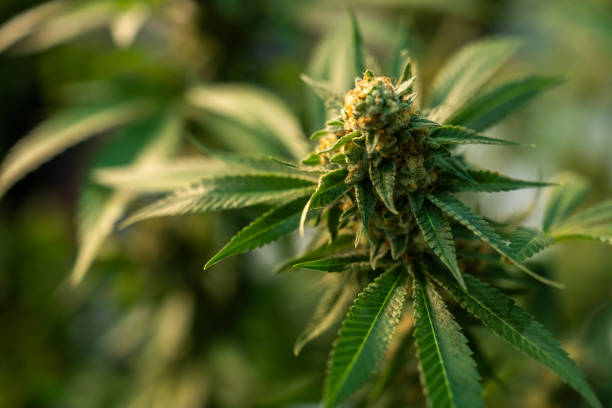
Many of these compounds, especially terpenes are explored extensively in cannabis and aromatic plants, with detailed profiles available at Cannabis Terpenes. These molecules help explain why aroma, flavor, and therapeutic effects vary even within the same species.
What Is Phytochemical Variability?
Phytochemical variability describes the phenomenon where genetically identical or closely related plants produce noticeably different chemical profiles. Within a single species, individual plants synthesize varying concentrations of bioactive compounds, creating distinct chemical signatures called chemotypes.
Think of chemotypes as chemical fingerprints. Recent analysis of black turmeric essential oils identified three separate chemotypes within the species, each characterized by different dominant compounds. One chemotype might produce high concentrations of specific terpenes while another emphasizes different molecular structures entirely. These distinctions are central to understanding chemotype classification in essential oils.
This chemical diversity carries significant implications for product development. When you source botanical materials without accounting for chemotype differences, batch-to-batch consistency becomes nearly impossible.
Understanding phytochemical variability allows you to implement quality control measures that actually work. Rather than assuming botanical consistency, you can test for specific chemotypes, select cultivars with desired chemical profiles, and establish cultivation protocols that favor particular biosynthetic outcomes.
Why Might Genetically Identical Plants Exhibit Different Phenotypes When Grown in Different Environments?
Genetically identical plants don’t always express identical chemistry. This phenomenon, called phenotypic plasticity, allows organisms with matching DNA to modify observable traits based on external conditions without altering their genetic code.
Research on cloned plants including cannabis cultivars demonstrates that identical genetics produce varying metabolite concentrations when cultivated under different environmental conditions. While cannabinoid expression is widely discussed, the same principles apply across aromatic and medicinal species.
Temperature, soil moisture, light intensity, and nutrient availability all trigger shifts in gene expression through epigenetic mechanisms. These changes alter secondary metabolite biosynthesis without changing the underlying DNA sequence.
For botanical product development, this means cultivation parameters matter as much as genetics. Controlling environmental variables becomes essential for achieving reproducible phytochemical profiles across production cycles.
Different Plant Parts, Different Chemistry
Plants compartmentalize chemical production across different organs, creating distinct phytochemical profiles in leaves, stems, roots, and flowers.
Leaves prioritize photosynthesis and defense, stems focus on structure and transport, and roots emphasize nutrient absorption and microbial interactions. Each organ synthesizes compounds aligned with its biological role, resulting in dramatically different chemical outputs from the same plant.
For botanical extraction and formulation, organ selection determines which bioactive molecules you’ll obtain. Understanding tissue-specific chemistry allows you to target the plant parts that naturally concentrate desired compounds, improving efficiency and consistency.
Environmental and Stress Factors That Shape Plant Chemistry
Plants respond to stress by synthesizing protective compounds that wouldn’t appear under optimal conditions. Drought, temperature extremes, intense light, and biological threats all activate defensive biosynthetic pathways.
Abiotic stressors increase antioxidants, phenolics, and flavonoids. Biotic stress from pests and pathogens triggers alkaloid and antimicrobial compound production. Many of the most pharmacologically active plant compounds arise directly from these stress responses.
Understanding which environmental pressures amplify desired compounds allows cultivators to strategically influence phytochemical outcomes through informed growing practices rather than post-harvest manipulation.
Embracing Chemical Complexity in Botanical Products
Plant chemistry refuses simplification. Every harvest carries a unique phytochemical signature shaped by genetics, environment, and timing. This variability challenges standardization but also explains why whole-plant formulations often outperform isolated compounds.
Brands like Entour and True To Plant embrace this complexity by preserving secondary metabolite diversity rather than reducing botanicals to single marker compounds. Chemotype-based sourcing respects natural chemical relationships while maintaining consistency through rigorous testing.
Understanding biosynthetic variation transforms plant chemistry from an obstacle into a strategic advantage. When you work with botanical intelligence instead of against it, plant chemistry becomes a tool not a limitation.