

Not all lavender essential oil delivers the same therapeutic benefits. The dramatic differences you experience between bottles stem from chemotypes – distinct chemical profiles that vary by species and growing conditions.
A chemotype represents the dominant compounds within a plant’s essential oil. While Lavandula angustifolia typically features high levels of Linalool and Linalyl acetate for calming properties, Lavandula dentata contains 33.95% camphor and 32.35% 1,8-cineol – creating an entirely different therapeutic experience. These variations aren’t random. Genetic diversity and regional conditions directly shape which compounds dominate your oil.
Understanding chemotypes transforms how you select lavender essential oil for your wellness routine. The soothing bedtime diffuser blend requires different compounds than a skin-supportive formula. Gas Chromatography-Mass Spectrometry (GC-MS) testing reveals these precise compound percentages, helping you match the right chemotype to your specific needs.
This evidence-led approach moves beyond generic “lavender essential oil benefits” to targeted therapeutic applications based on actual chemical composition.
What Are Lavender Chemotypes? Understanding Chemical Variation
Yes, there are different types of lavender oil – and the variations run deeper than species alone. Chemotypes classify plants based on their dominant secondary metabolites, the active compounds that determine therapeutic properties.
Think of species as your family name and chemotype as your unique personality. Two plants from the same species can produce oils with completely different chemical profiles depending on altitude, soil composition, and climate. These environmental factors trigger distinct biosynthesis pathways within the plant, creating chemotype variations that dramatically alter your aromatherapy experience.
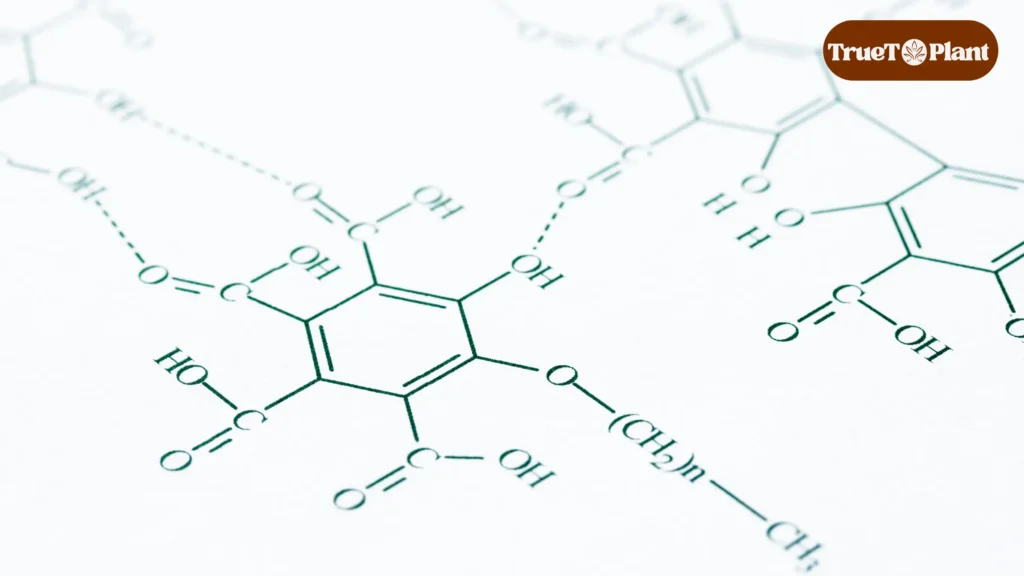
Secondary metabolites – including terpenes, esters, and phenolic compounds – form the foundation of lavender essential oil’s health benefits. A chemical composition analysis reveals how these compounds cluster in specific patterns. One chemotype might concentrate calming esters for sleep support, while another emphasizes stimulating ketones for respiratory applications.
This classification system explains why your previous lavender purchase worked beautifully for relaxation support, but another bottle felt completely different. The species label told you part of the story – the chemotype reveals the complete therapeutic potential. When you understand these chemical variations, you can select oils that align precisely with your wellness goals rather than hoping any lavender bottle will deliver the results you need.
Lavandula angustifolia: The High-Linalool Chemotype
True lavender stands out as the most medicinal lavender for skin applications, thanks to its balanced chemical profile. This chemotype typically contains 40% Linalool and 35% Linalyl acetate – a gentle combination that delivers powerful therapeutic properties without irritation.
Linalool provides the foundation for skin-soothing benefits. Research confirms this compound offers antimicrobial and anti-inflammatory effects that support wound healing and reduce redness. The high Linalyl acetate content adds calming ester properties, creating a synergistic effect that makes this chemotype exceptionally safe for topical application.
This specific ratio explains why Lavandula angustifolia works beautifully for sensitive skin formulations. The dominant ester content softens Linalool’s potency while maintaining therapeutic effectiveness. You get antimicrobial protection without the harsh intensity of camphor-dominant chemotypes.
Specific therapeutic applications include:
- Minor burn relief and skin regeneration support
- Acne-prone skin care with gentle antimicrobial action
- Scalp health formulations for hair nourishment
- Sleep support through diffuser use or pillow application
- Stress relief blends for daily aromatherapy routines
Recent studies demonstrate potent antifungal activity in vitro, expanding this chemotype’s documented skin benefits. When you apply diluted Lavandula angustifolia to compromised skin, you’re working with compounds that address multiple concerns simultaneously – inflammation, microbial activity, and tissue repair.
The balanced profile makes true lavender your reliable choice for lavender oil skin benefits across age groups and skin types. Unlike stimulating chemotypes rich in ketones or oxides, this gentle formulation rarely triggers sensitivity reactions when properly diluted for topical application.
Lavandula latifolia: The Camphor-Rich Chemotype
Spike lavender delivers a completely different aromatic experience compared to its gentle cousin. This chemotype contains 15-30% camphor and approximately 35% 1,8-cineole – a sharp, penetrating profile that targets respiratory and antimicrobial applications rather than relaxation.
The elevated camphor content creates a stimulating effect on your respiratory system. When you diffuse Lavandula latifolia, those oxide-rich compounds help open airways and support clearer breathing during seasonal challenges. This makes spike lavender your go-to remedy for congestion relief, particularly when combined with steam inhalation methods.
Research confirms strong antimicrobial activity from this compound combination. The 1,8-cineole works synergistically with camphor to address bacterial and fungal concerns, making spike lavender valuable for surface cleaning blends and air purification during cold seasons.
Key therapeutic applications include:
- Respiratory support through lavender essential oil diffuser benefits for congestion
- Antimicrobial room sprays and surface cleaning formulations
- Muscle tension relief when diluted for topical application
- Mental clarity blends that stimulate rather than sedate
The contrast with Lavandula angustifolia becomes immediately apparent. While true lavender contains only 0.5-3% camphor and promotes calmness, spike lavender’s 15-30% camphor content energizes and clears. You wouldn’t reach for this chemotype before bedtime – its stimulating oxide profile works against sleep support.
This distinction matters when selecting oils for specific wellness goals. Spike lavender excels where you need respiratory relief and antimicrobial action, while angustifolia handles skin care and relaxation applications. Understanding these compound differences ensures you match the right chemotype to your actual therapeutic needs.
Lavandula x intermedia (Lavandin): The Hybrid Chemotype
Lavandin emerges naturally when Lavandula angustifolia cross-pollinates with Lavandula latifolia in overlapping wild habitats. This sterile hybrid combines genetic material from both parents, creating a chemotype that bridges true lavender’s gentleness with spike lavender’s intensity.
The chemical profile reflects this dual heritage. Lavandin typically contains 25-38% Linalool alongside 6-8% camphor – positioning it between angustifolia’s minimal camphor content and latifolia’s 15-30% concentration. You’ll also find elevated Linalyl acetate levels, though generally lower than true lavender’s 35% benchmark. This intermediate composition creates a sharper, more herbaceous aroma compared to angustifolia’s sweet floral notes.
Commercial producers favor lavandin for practical reasons beyond chemistry. These vigorous plants yield three times more essential oil per harvest than Lavandula angustifolia, making production significantly more affordable. The robust growth habit and higher camphor content also extend shelf stability, reducing oxidation concerns during storage and transport.
Appropriate applications for lavandin include:
- Household cleaning products where antimicrobial properties support surface sanitation
- Laundry formulations and linen sprays for fresh scent longevity
- Soap making where the stronger aroma survives saponification
- Large-scale diffusion in commercial spaces
This chemotype works less effectively for therapeutic skin applications or sleep support compared to true lavender. The elevated camphor creates a more stimulating effect that may counteract relaxation goals. When selecting lavender essential oil for calming properties or sensitive skin formulations, verify you’re purchasing Lavandula angustifolia rather than the hybrid lavandin – the species designation reveals which therapeutic benefits you’ll actually experience.
Lesser-Known Lavender Chemotypes: Stoechas and Dentata
Beyond the familiar chemotypes, two lesser-known species offer distinct chemical profiles that limit their commercial appeal but reveal lavender’s remarkable diversity.
Lavandula stoechas concentrates fenchone as its primary ketone, typically ranging from 8-12% alongside camphor content. This Spanish lavender produces a distinctly medicinal aroma that differs sharply from angustifolia’s floral sweetness. The fenchone-rich profile creates potential safety concerns – this compound can trigger allergic reactions in sensitive individuals and requires careful dilution protocols. You’ll rarely find stoechas in mainstream aromatherapy products due to these considerations, though Mediterranean producers still harvest limited quantities for regional applications.
Lavandula dentata presents an even more intense ketone profile. Chemical analysis confirms camphor dominance reaching 33.95%, with 1,8-cineole comprising another 32.35% of the composition. This fringed lavender delivers powerful antimicrobial and anti-inflammatory properties, yet the extreme camphor concentration makes it unsuitable for lavender oil aromatherapy uses focused on relaxation or skin care. Seasonal variations further complicate standardization – camphor levels fluctuate between 21.95% and 36.52% depending on harvest timing.
Both species remain geographically limited to specific Mediterranean regions, primarily Spain and France. Commercial producers prioritize angustifolia and lavandin for their gentler profiles and reliable yields. These rare chemotypes serve specialized applications where intense ketone activity addresses specific therapeutic goals, but their restricted availability reflects practical limitations in safety, consistency, and consumer acceptance.
Therapeutic Applications by Chemotype: Matching Chemistry to Use
Selecting lavender essential oil becomes straightforward when you match chemical composition to your wellness goals. The chemotype determines whether your oil excels at skin repair, respiratory support, or sleep enhancement.
For skin care applications, Lavandula angustifolia delivers superior results. The 40% Linalool concentration provides antibacterial protection while supporting tissue regeneration for minor wounds and burns. Research demonstrates that Linalool reduces inflammation in skin lesions while maintaining gentle compatibility with sensitive tissue. Dilute 2-3 drops in carrier oil for acne treatment, scar reduction, or general complexion support.
Hair and scalp health responds best to angustifolia’s balanced ester profile. Clinical trials show essential oil blends containing lavender significantly improve hair growth when massaged into the scalp. The antimicrobial compounds address dandruff concerns while Linalyl acetate soothes irritation. Add 5-6 drops to your shampoo or create scalp treatments with jojoba carrier oil.
Respiratory aromatherapy requires camphor-rich chemotypes. Lavandula latifolia’s 35% 1,8-cineole content opens airways and suppresses allergic inflammation in respiratory passages. Studies confirm lavender inhalation impairs inflammatory responses during seasonal challenges. Diffuse spike lavender or lavandin for congestion relief – their oxide compounds work more effectively than angustifolia’s gentle profile.
Sleep and stress management demand high-ester chemotypes. Angustifolia’s 35% Linalyl acetate calms your central nervous system without stimulation. Diffuse 4-5 drops before bedtime or apply diluted oil to pulse points for anxiety relief.
“Therapeutic grade” represents marketing language rather than regulated certification. No governmental body defines this term for essential oils. Instead, request GC-MS testing documentation that confirms chemotype-specific compound percentages. This scientific verification reveals whether your lavender essential oil contains the appropriate chemistry for your intended application – the only meaningful quality standard for therapeutic effectiveness.
Quality Markers and GC/MS Analysis: Verifying Chemotype Claims
Gas Chromatography-Mass Spectrometry (GC-MS) testing separates and identifies every compound in your lavender essential oil. This laboratory analysis produces a detailed breakdown showing exact percentages of Linalool, Linalyl acetate, camphor, and dozens of other constituents. The resulting data confirms whether your bottle matches the claimed chemotype or contains unexpected variations.
A Certificate of Analysis (COA) documents these findings for each production batch. Quality suppliers provide COAs showing compound percentages, botanical name verification, country of origin, and batch numbers. Look for Lavandula angustifolia oils displaying 35-45% Linalool and 30-40% Linalyl acetate – deviations suggest different chemotypes or potential adulteration.
Synthetic additives represent a growing concern in lavender oils. Laboratory testing detects synthetic Linalool and Linalyl acetate added to extend cheaper oils or mask inferior quality. Authentic chemotypes display complex compound profiles with 20-30 minor constituents, while adulterated oils show suspiciously simplified compositions dominated by just two or three compounds.
Request current COAs before purchasing therapeutic-grade lavender essential oil. Legitimate certificates include testing laboratory contact information, analysis dates within the past year, and specific gravity measurements. Suppliers who cannot provide batch-specific documentation often source oils without quality verification.
This scientific verification protects your investment in lavender essential oil benefits. When your COA confirms the appropriate chemotype chemistry, you gain confidence that topical applications, diffusion protocols, and wellness formulations will deliver expected therapeutic outcomes rather than unpredictable results from misidentified or compromised oils.
Selecting Lavender by Chemistry, Not Just Name
Your lavender purchase should begin with compound percentages, not bottle aesthetics. The botanical name reveals species, but the GC-MS report confirms therapeutic potential through precise chemical data.
Verify the dominant compounds align with your wellness goals before committing to any supplier. Angustifolia oils targeting sleep support should display 35-45% Linalool and 30-40% Linalyl acetate on the Certificate of Analysis. Respiratory blends benefit from latifolia’s elevated 1,8-cineole content instead. This chemistry-first selection process eliminates guesswork and prevents disappointing results from chemotype mismatches.
Adulteration remains prevalent across the essential oil industry. Studies confirm synthetic Linalool and Linalyl acetate frequently extend commercial lavender oils without disclosure. Authentic chemotypes contain 20-30 minor constituents creating complexity that synthetic additions cannot replicate. Request batch-specific testing documentation showing this full compound spectrum.
True To Plant builds formulations on chemotype data rather than cultivar names alone, ensuring standardized blends mirror natural expression patterns across production batches. This approach delivers predictable therapeutic outcomes whether you need skin-soothing applications or respiratory support.
Transform your aromatherapy practice by prioritizing chemical composition over marketing claims. When you understand which compounds drive specific lavender essential oil benefits, you gain control over therapeutic results rather than hoping any lavender bottle meets your needs.