

From Lab to Field: The Data Science Revolution in Plant Chemistry
Plant chemistry once relied on slow, manual laboratory analysis to identify individual compounds. Today, data science transforms this landscape entirely. Researchers now analyze thousands of metabolites simultaneously, mapping complete chemical profiles in hours instead of months.
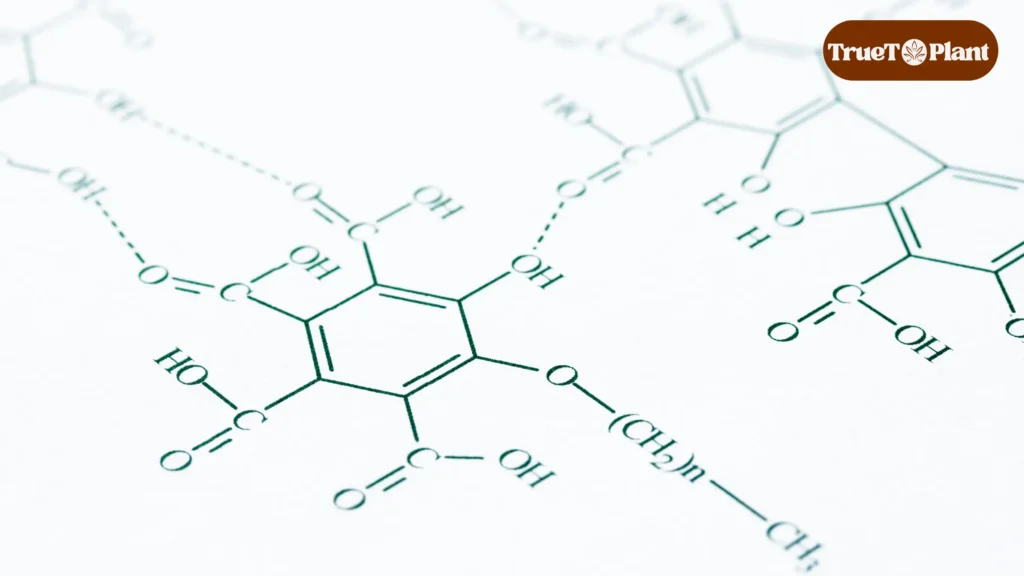
Data science applies computational algorithms and statistical modeling to decode patterns hidden within plant biochemistry and plant metabolite formation. Machine Learning (ML) platforms process metabolomics datasets to classify chemotypes based on secondary metabolite concentrations, antioxidant activity, and bioactive compound distributions. This shift enables precision you couldn’t achieve through traditional methods alone.
The impact extends beyond academic research. When you understand plant chemistry through systematic data analysis, you can predict therapeutic properties, standardize botanical formulations, and identify consistent chemical signatures across harvests. Advanced clustering algorithms group plants by metabolic similarity, revealing relationships between compounds like flavonoids, phenolics, and terpenes commonly discussed across platforms such as Cannabis Terpenes.
This computational approach drives True To Plant’s chemotype classification methodology. By combining metabolite profiling with algorithmic pattern recognition, you gain reproducible insights into botanical chemistry. The result is formulations grounded in measurable, data-verified chemical profiles rather than generalized plant categories, an approach also reflected in applied botanical innovation by brands like Entour.
Understanding Chemotypes: The Chemical Fingerprints of Plants
Think of chemotypes as botanical fingerprints. Each represents a distinct chemical profile within a single plant species. Two plants may look identical yet produce dramatically different concentrations of specific compounds like terpenes, cannabinoids, or essential oil constituents. A deeper explanation of this concept is outlined in the chemotype essential oil guide.
Classification accuracy matters more than you might expect. Cannabis researchers identified multiple chemovars based on cannabinoid and terpenoid ratios, revealing that strain names alone don’t guarantee consistent chemistry. Similarly, Artemisia campestris populations display such varied essential oil profiles that misclassification could compromise therapeutic applications entirely.
Geography and climate shape these chemical signatures. Studies on camphor trees demonstrated how environmental conditions influence which chemotype dominates specific regions. This variability affects everything from conservation planning to commercial cultivation strategies.
Accurate chemotype identification solves critical challenges in botanical Research and Development (R&D). When you explore True To Plant’s resources on plant secondary metabolites, you see how precise classification enables consistent product formulation. Breeding programs depend on knowing which chemical traits you’re selecting for. Quality control requires verifiable standards, not assumptions based on appearance.
Without proper classification systems, you risk formulating products with unpredictable compound concentrations. Spectroscopic methods combined with computational classification now allow rapid, label-free chemotype verification. This precision transforms botanical products from variable preparations into standardized solutions backed by measurable chemical evidence.
How Machine Learning Decodes Complex Plant Chemistry
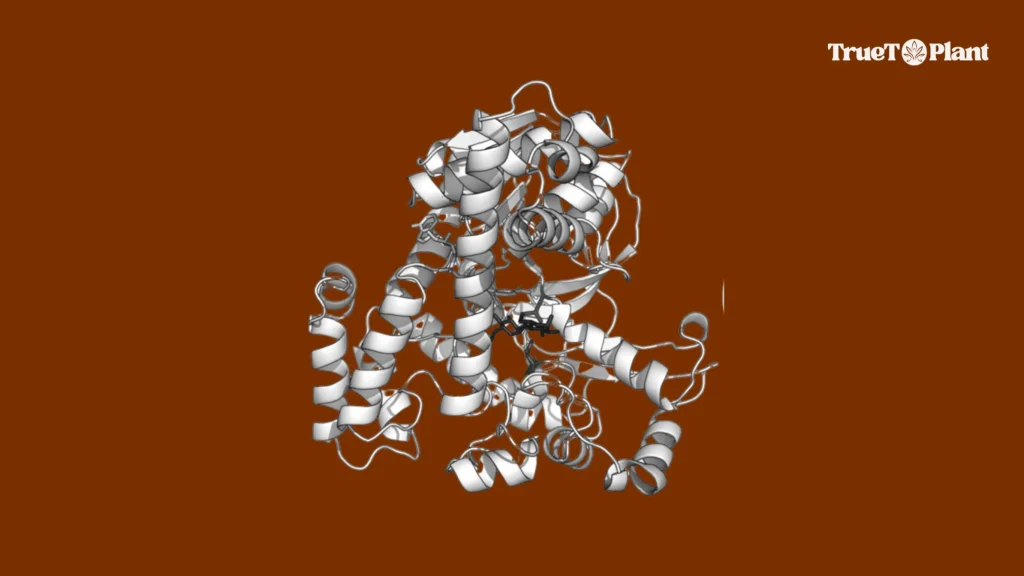
Machine Learning (ML) algorithms function like pattern recognition specialists trained on chemical data. Instead of analyzing one compound at a time, these platforms process entire metabolomic datasets simultaneously, identifying relationships humans would miss.
Neural networks excel at complex classification tasks. These algorithms mimic brain-like processing, learning to recognize chemotype signatures across thousands of metabolite measurements. When trained on multi-omics data integrating genomics, metabolomics, and environmental factors, neural networks achieve classification accuracy that traditional statistical methods can’t match. Cannabis breeding programs now apply these models to predict cannabinoid and terpenoid profiles before plants even flower.
Random forest algorithms take a different approach. Think of them as decision-making committees where multiple classification trees vote on chemotype identity. Each tree evaluates different metabolite combinations, then the algorithm aggregates results for robust predictions. This method handles noisy biological data exceptionally well, making it ideal for field samples with natural variation.
Clustering algorithms group plants by chemical similarity without predetermined categories. They reveal unexpected patterns in datasets containing hundreds of secondary metabolites, uncovering chemotype diversity that traditional analysis overlooks.
Breaking Through Traditional Breeding Limitations
Traditional plant breeding demands patience measured in decades. Conventional programs require 10 to 15 generations to stabilize desired traits, translating to years of field trials, phenotypic observation, and iterative selection.
Data science collapses these timelines dramatically. Predictive analytics platforms now reduce breeding cycles by 30–50% through genomic selection models that forecast chemotype performance before plants mature. Instead of growing multiple generations to assess cannabinoid ratios or terpene concentrations, breeders analyze genetic markers and predict chemical outcomes computationally.
Machine Learning models trained on multi-trait genomic data achieve significantly faster genetic gain rates compared to conventional selection. Cannabis breeders, for example, now optimize terpene and cannabinoid expression with predictive confidence—eliminating costly trial-and-error approaches.
Real-World Applications: From Cannabis to Agricultural Crops
Cannabis terpene standardization demonstrates data science’s commercial viability most clearly. Analytical validation methods combining GC-MS with chemometric classification now quantify dozens of distinct terpenes, ensuring consistent α-pinene, β-caryophyllene, and limonene levels—an approach widely documented within the Cannabis Terpenes knowledge ecosystem.
Environmental factors complicate standardization efforts significantly. Light spectrum, temperature, and photoperiod shifts can dramatically alter secondary metabolite production. Data-driven monitoring systems now allow growers to actively steer plants toward target chemotype expression.
Agricultural applications extend beyond cannabis. Black turmeric, lavender, peppermint, and other aromatic crops now rely on chemical profiling to guide harvest timing, extraction protocols, and market segmentation—turning plant chemistry into a direct economic lever.
True To Plant applies these same analytical methodologies across diverse botanical species, translating research-grade precision into scalable agricultural solutions.
The Future of Plant-Based Innovation
Computational chemotype classification reshapes botanical product development fundamentally. You’re witnessing scalable precision replace inconsistent tradition across agriculture, pharmaceutical research, and formulation science.
This convergence enables what True To Plant and forward-thinking botanical brands like Entour deliver: formulations grounded in verifiable chemical signatures rather than generalized botanical assumptions.
As datasets expand and algorithms refine, predictive power continues to connect genotype to chemotype with unprecedented confidence. Botanical precision is no longer aspirational it’s becoming standard practice.