Recent News

Category: Chemotypes

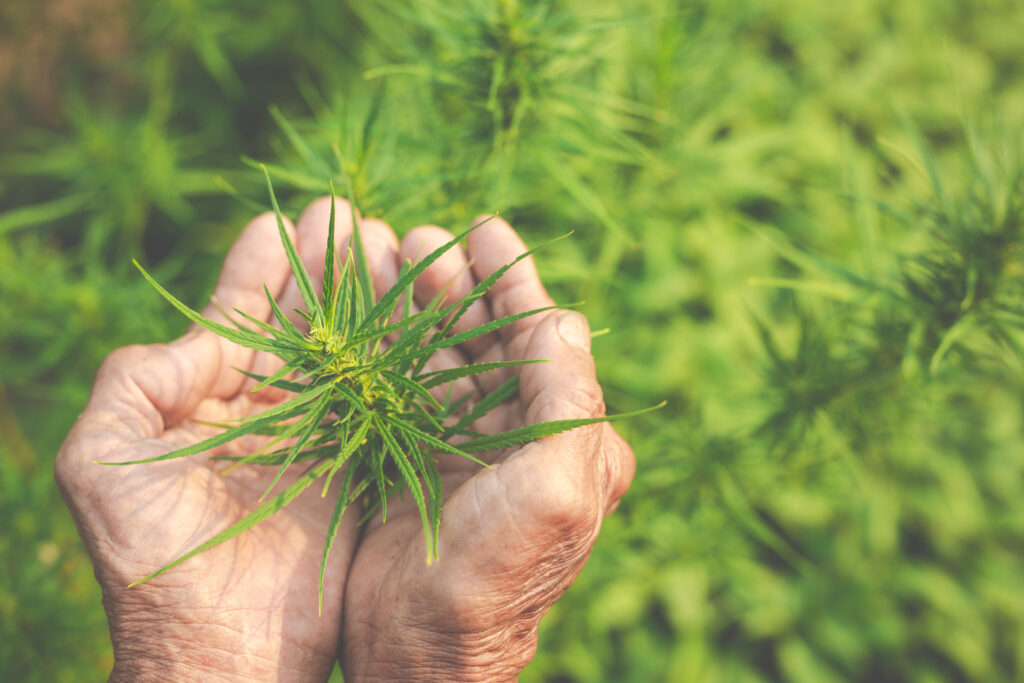
Complete cannabis growing setup showing grow tent, LED lights, and healthy plants in various growth stages from seedling to flowering

Understanding Chemotype Essential Oils: A Cannabis Formulator’s Perspective

If you formulate cannabis products, you already understand how two plants from the same strain can produce dramatically different therapeutic properties. That same principle drives chemotype classification in essential oils. Much like cannabis, plants act as natural chemists, shaping their chemical expression through environment and genetics—concepts explored further in our guide on how plants function as natural chemists.
Read more
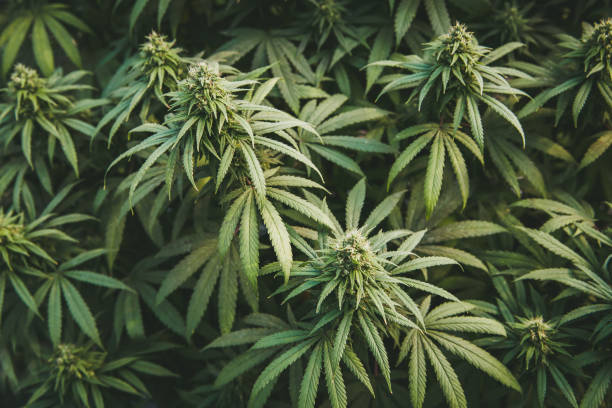
Mature cannabis plant in final flowering stage showing dense buds with amber trichomes ready for harvest timing assessment

Phytochemistry of Cannabis: Unlocking Terpene Profiles

When you experience cannabis, you're encountering far more than Tetrahydrocannabinol (THC) and Cannabidiol (CBD). The aroma profile that defines each strain comes from terpenes—volatile compounds that shape both sensory experience and physiological effects. Research reveals these phytochemicals activate CB1 receptors at 10–50% of THC's activity, influencing neurotransmitter interactions without causing intoxication on their own.
Read more
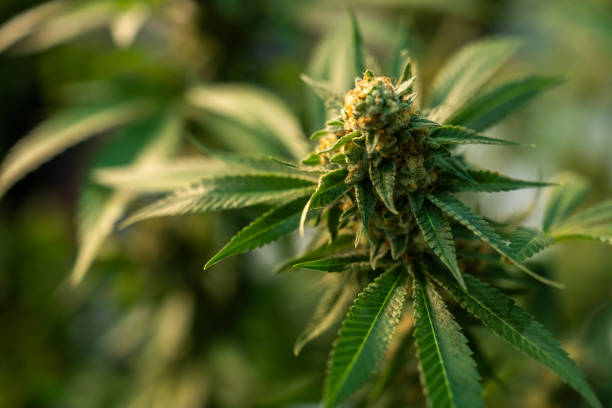
Cannabis plant in late flowering stage showing mature buds with brown pistils and trichome development ready for harvest timing assessment

Flavonoid synthesis in cannabis: unlocking cultivar-specific effects

While cannabinoids dominate cannabis research, flavonoids quietly shape the cultivar-specific effects consumers experience. These secondary metabolites, derived from flavone with powerful antioxidant properties and formed through plant metabolite formation, represent over 10,000 identified molecules across plant biology. In cannabis, unique compounds like cannflavins deliver anti-inflammatory effects up to 30 times more potent than aspirin.
Read more
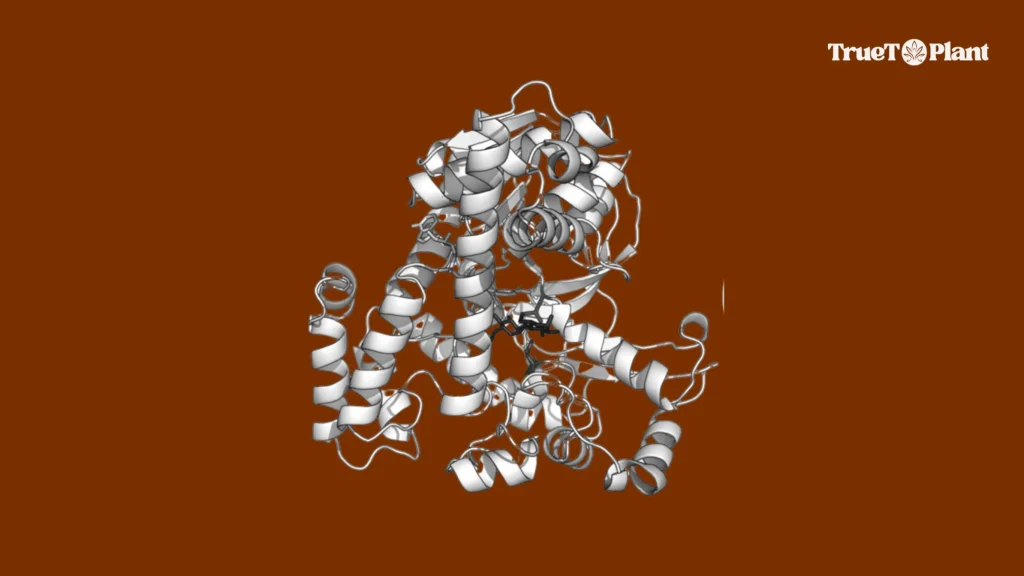
Ribbon diagram of glycosidase with an arrow showing the cleavage of the maltose sugar substrate into two glucose products.

The Role of Enzymes in Plant Metabolite Formation

Plants are master chemists. Behind their foliage and blossoms, countless molecular factories are at work. The secret agents of these factories? Enzymes. Without enzymes directing traffic, routing building blocks, and setting pathways in motion, plants couldn’t build the wide range of compounds that define their flavor, fragrance, color, defense and ecological interaction. In this blog, […]
Read more

How Plants Create Complex Chemistry

How Plants Create Complex Chemistry

The Hidden Language of Secondary Metabolites 1. Secondary Metabolites vs Primary Metabolites: What’s the Difference? Plants are far more than passive green beings. Behind their serene leaves and blooms lies a bustling chemical industry, producing hundreds of thousands of compounds that serve purposes beyond growth or reproduction. These are the secondary metabolites, the language of […]
Read more
1 2 3

Most Read

Quick Links

© 2025 True To Plant. All Rights Reserved.