You know that moment when you flip your lights to 12/12 and think, “Okay, now what?” I remember standing in my first grow room, staring at my plants that looked exactly the same as they did the day before, wondering if I’d done something wrong. Three months later, I was harvesting some of the most beautiful buds I’d ever seen.
The journey from flowering initiation to harvest is like watching your plants transform from teenagers into mature adults – it’s fascinating, occasionally nerve-wracking, and ultimately incredibly rewarding when you get it right.
Understanding the Flowering Trigger: More Than Just Flipping a Switch
When you switch to 12 hours of light and 12 hours of darkness, you’re essentially telling your plants that winter is coming. In nature, shorter days signal plants to hurry up and reproduce before the killing frost arrives. Indoors, we’ve hijacked this survival mechanism to produce those resinous flowers we love.
But here’s what blew my mind when I first learned it: it’s not the 12 hours of light that triggers flowering – it’s the uninterrupted 12 hours of darkness. Even a few seconds of light during the dark period can disrupt the flowering hormones and cause plants to revert to vegetative growth.
The Hormonal Revolution Inside Your Plants
The moment you initiate flowering, your plants undergo a complete biochemical revolution. Plant secondary metabolites production shifts dramatically as the plant redirects energy from leaf production to flower and resin synthesis. This is why cannabis plant metabolism becomes so different during flowering – your plant is literally rebuilding itself from the inside out.
Pre-Flowering: The Calm Before the Storm (Days 1-14)
Days 1-7: The Silent Revolution
Don’t panic if nothing visible happens in the first week. Your plants are busy behind the scenes, reconfiguring their entire biological mission. I used to think I was doing something wrong when my plants looked identical to their vegetative state, but that internal transformation is crucial.
What’s happening:
- Root systems expanding to support flower production
- Hormone levels completely reorganizing
- Cell division patterns changing throughout the plant
- Energy storage systems preparing for the marathon ahead
Days 8-14: The Stretch Begins
This is when things get exciting (and sometimes terrifying for new growers). Your plants may start growing 2-3 inches per day, sometimes doubling in height over 2-3 weeks. I call this the “flowering stretch,” and it’s completely normal – though it caught me off guard my first time.
Pro Tip: This explosive growth phase is your last chance to train your plants. Use soft plant ties to gently bend stretching branches away from the center, creating an even canopy. Every bud site that gets direct light will reward you at harvest.
Early Flowering: When Hope Becomes Reality (Days 15-35)
Week 3: First Signs of Magic
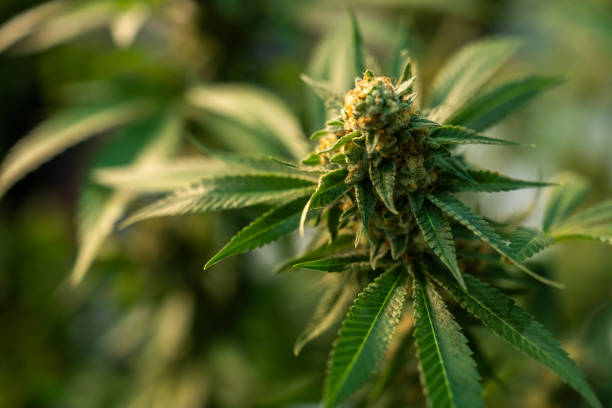
Around day 15-21, you’ll start seeing tiny white hairs (pistils) emerging from the branch junctions. These are your plant’s female reproductive organs, and they’re the first sign that your patience is about to pay off.
What you’ll notice:
- Small clusters of white pistils appearing
- Plants still growing upward but slowing down
- First hints of that distinctive flowering smell
- Leaves around bud sites getting slightly sticky
Week 4-5: Baby Buds Emerge
This is when growing becomes addictive. Those tiny pistil clusters start forming recognizable bud structures, and you can finally see the potential of what’s coming. I still get excited during this phase – there’s something magical about watching those first “budlets” develop.
The stretch phase is mostly over now, which means your plants have finished building their infrastructure and are ready to pack on the weight. This is when I really dial in the environment – humidity at 45-50%, temperatures stable, and air circulation optimized.
Mid-Flowering: The Fattening Phase (Days 35-56)
Week 5-6: Serious Business
Your buds start gaining noticeable mass every day. This is when terpene profiles really begin developing, and your grow room starts smelling absolutely incredible. I joke with my friends that this is when you have to be careful about ordering pizza – the delivery driver is going to notice something!
What to watch for:
- Buds getting visibly fatter daily
- Sugar leaves becoming noticeably frosty
- First hints of resin production on bud surfaces
- Some lower fan leaves starting to yellow (normal!)
Week 7-8: The Patience Test
This might be the hardest phase psychologically. Your buds look amazing and smell incredible, but they’re not quite ready. It’s like waiting for cookies to finish baking when they already smell perfect – the anticipation can drive you crazy.
During this phase, I focus on creating perfect conditions for secondary metabolite production. THC, CBD, and terpene synthesis are ramping up significantly, and environmental stress can reduce potency and aroma.
Late Flowering: The Final Push (Days 56-84+)
Week 8-9: Peak Production
This is where the real magic happens. Your buds are reaching maturity, trichome production is peaking, and those complex terpene synthesis pathways are creating the aromatic compounds that make each strain unique.
Signs of approaching maturity:
- 30-50% of pistils turning brown and curling inward
- Trichomes transitioning from clear to cloudy
- Buds feeling dense and heavy
- Overall plant showing signs of senescence (natural aging)
Week 10+: The Waiting Game
Some strains, especially sativas, like to take their time. Don’t rush them – this final phase is when THC production often peaks and terpene expression reaches its full complexity.
I’ve learned that the best harvests come from growers who resist the temptation to harvest early. Those final weeks can increase potency by 20-30% and dramatically improve the complexity of effects and flavors.
Reading the Harvest Signs: When Patience Pays Off
The Pistil Method (Visual Assessment)
This is the easiest method for beginners:
- 70-80% brown/orange pistils = ready for most preferences
- 90%+ brown pistils = maximum body effect potential
- All white pistils = definitely too early (common mistake!)
The Trichome Method (Precision Approach)
Using a 30x jeweler’s loupe or digital microscope:
- All clear trichomes = too early (weak effects)
- Mostly cloudy = peak THC production
- 20-30% amber = balanced head/body effects
- 50%+ amber = heavy, sedative effects
The Whole Plant Assessment
Look at the entire plant, not just individual buds:
- Overall fade and yellowing of fan leaves
- Buds feeling firm and dense
- Full, complex aroma development
- Trichome coverage extending to sugar leaves
Advanced Flowering Techniques That Made the Difference
Environmental Manipulation
In the final weeks, I gradually reduce humidity to 35-40% and allow slight temperature drops at night (65-70°F). This mimics autumn conditions and can enhance color development and resin production.
Light Management
Some growers reduce light intensity in the final weeks or even implement a brief period of darkness before harvest. While the science is still emerging, many report improved terpene retention using these techniques.
The Support System
Heavy buds need support to prevent branch breakage. I use plant yo-yos, bamboo stakes, and soft ties to support heavy colas. There’s nothing worse than losing a beautiful bud to a broken branch two weeks before harvest.
Strain-Specific Considerations
Indica-Dominant Varieties
- Usually finish in 7-9 weeks
- Dense, compact bud structure
- Heavy natural fade in final weeks
- More forgiving of environmental fluctuations
- Earlier trichome maturation
Sativa-Dominant Varieties
- Often require 10-14 weeks
- Looser, more airy bud structure
- Maintain green color longer
- More sensitive to environmental stress
- Extended trichome development period
Modern Hybrids
- Typically 8-10 weeks
- Highly variable characteristics
- Require individual assessment
- May exhibit traits from both parents
Common Flowering Mistakes (Learn From My Failures)
The Early Harvest Trap
This broke my heart early in my growing career – harvesting perfectly healthy plants 2-3 weeks too early because I couldn’t wait. Those final weeks often determine whether you get decent buds or absolutely incredible ones.
Environmental Neglect
Your plants become increasingly sensitive as flowering progresses. That humidity level that was fine in early flowering might cause bud rot in week 8. Stay vigilant about environmental control throughout the entire flowering period.
Overfeeding in Late Flower
More nutrients don’t equal bigger buds in late flowering. In fact, excess nitrogen can actually reduce resin production and delay maturity. Many experienced growers reduce feeding or switch to plain water in the final 1-2 weeks.
Ignoring Support Needs
Heavy buds can break branches, especially in the final weeks when weight increases rapidly. Install support systems early rather than trying to fix broken branches later.
The Two-Week Flush Debate
Many growers perform a “flush” with plain water for the final 1-2 weeks before harvest. The theory is that this forces plants to use up stored nutrients, resulting in smoother-smoking buds with better flavor.
While the scientific evidence is mixed, I’ve noticed a difference in my harvests when I flush versus when I don’t. The buds seem to burn more cleanly and taste less “green” after flushing. Your mileage may vary, but it’s worth trying both methods to see what works for your setup.
Preparing for Harvest: The Final Countdown
Environmental Optimization
In the week before harvest, I:
- Drop humidity to 35-40% to prevent last-minute mold issues
- Maintain stable temperatures around 70-75°F
- Ensure excellent air circulation to prevent any humidity pockets
- Check plants daily for any signs of problems
Equipment Preparation
Get your harvest tools ready:
- Sharp, clean trimming scissors (multiple pairs)
- Drying screens or hanging lines
- Storage containers (glass jars work best)
- Hygrometer for monitoring cure humidity
- Scales for weighing your harvest
The Final Inspection
Do a thorough plant inspection looking for:
- Any signs of mold or pests
- Branches that need additional support
- Buds that might be ready earlier than others
- Overall plant health and readiness
The Harvest High: Better Than the Buds Themselves
There’s this incredible moment when you realize your plants are actually ready. The trichomes are perfectly cloudy, the smell is intoxicating, the buds are dense and heavy, and months of careful work are about to pay off.
Harvest day combines the excitement of Christmas morning with the satisfaction of completing a complex project. You’re about to collect the fruits of months of patience and careful cultivation.
Looking Beyond Harvest: The Complete Journey
Remember that harvest is just the beginning of the final phase. Proper drying and curing can take another 4-8 weeks, but they’re just as important as everything that came before. I’ve seen perfectly grown buds ruined by rushed drying and poor curing – don’t let that be your story.
The flowering stage is where all your vegetative growth work pays off. Every leaf you carefully maintained, every training session, every environmental adjustment culminates in those final weeks of flower development.
The Bottom Line: Trust the Process
After growing hundreds of plants through flowering, I’ve learned that every strain, every environment, and every plant teaches you something new. Some finish early, others test your patience. Some respond perfectly to your environmental controls, others challenge your problem-solving skills.
The key is developing the patience to let your plants finish properly while maintaining the vigilance to prevent problems in those crucial final weeks. Your reward will be jars full of incredibly potent, aromatic buds that represent the culmination of months of careful cultivation.
Trust the process, stay patient, and let your plants tell you when they’re ready. The wait is always worth it.