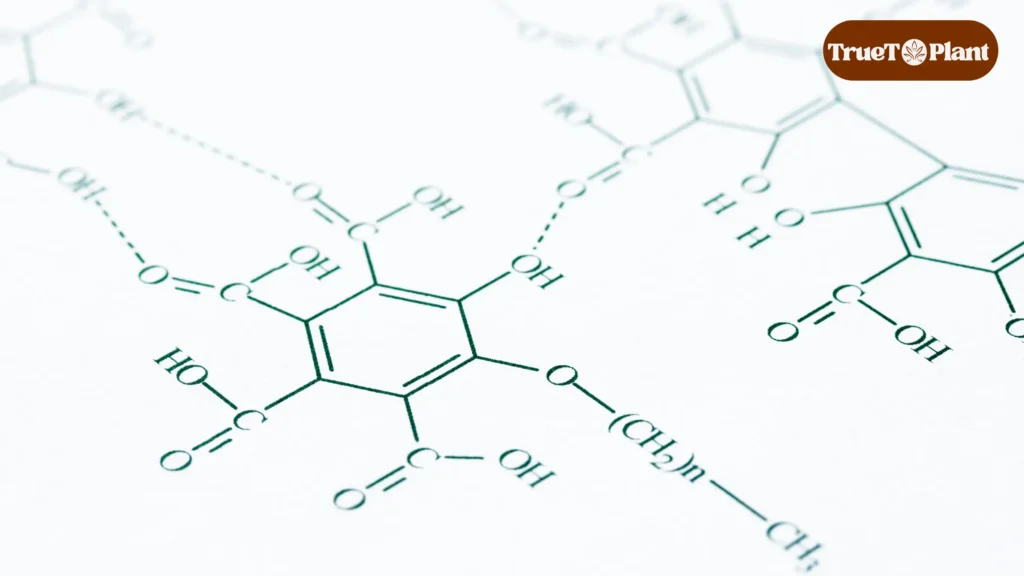
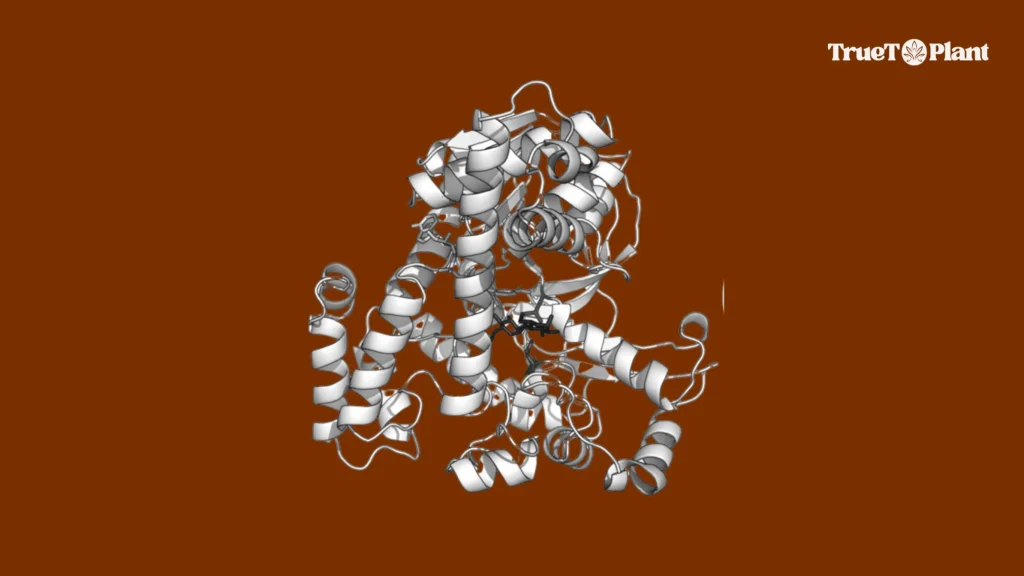

Plants don’t just sit quietly in the soil. They communicate through sophisticated chemical signals called terpenes, aromatic compounds that attract pollinators, warn neighboring plants of threats, and coordinate defense responses. These compounds are part of a broader system of plant secondary metabolites, which play a critical role in how plants adapt and thrive in complex ecosystems. Research shows that maize plants produce specific sesquiterpene enzymes to signal ecological interactions, creating an invisible network of botanical communication that mirrors what’s explored in depth at Cannabis Terpenes.
Your website operates through a similar system of signals. Search Engine Optimization (SEO) functions as your digital terpene profile, broadcasting relevance signals that attract search engines and guide the right visitors to your content. Just as plants evolved terpenes to survive in competitive ecosystems, your site needs optimized signals to thrive in competitive search landscapes.
The parallel runs deeper than you might expect. Terpenes work through precision the right compound reaching the right receptor at the right time. In botany, this precision is often explained through chemotypes, where plants express dominant chemical profiles depending on genetics and environment, as outlined in this chemotype essential oil guide. SEO demands the same specificity. Your content must match user intent, your technical foundation must support discoverability, and your authority signals must reach search algorithms effectively.
Recent data reveals that organic website traffic dynamics shifted dramatically in 2024, with zero-click searches and AI changing how users find information. Yet sites with strong optimization strategies continue growing organic traffic by focusing on relevance over volume. Chemistry matters more than ever—not just having signals, but having the right signals that drive meaningful connections.
Does SEO Increase Organic Traffic?
Yes, SEO directly increases organic traffic when implemented strategically. Data from 2024 shows that organic search continues driving over half of all website traffic, with properly optimized sites achieving conversion rates significantly higher than paid channels. One documented case demonstrated an 850% increase in monthly organic traffic within ten months through focused optimization efforts.
The mechanism mirrors how plants use terpenes for targeted ecological responses. Mediterranean scrub plants produce specific terpene compounds to defend against pathogens, attract beneficial insects, and adapt to environmental stress an outcome of sophisticated plant metabolite formation processes that determine survival advantages.
Your website functions similarly. SEO creates targeted signals that search engines interpret as relevance markers. When you optimize title tags, you’re producing the digital equivalent of insect-attracting monoterpenes. When you build quality backlinks, you’re establishing authority signals comparable to antimicrobial defenses protecting your search visibility from competitive threats.
The effectiveness depends on precision. Plants don’t produce random compounds hoping something works. They synthesize specific molecules that trigger exact biological responses. Your optimization strategy requires the same intentionality. Keyword research identifies what your audience actually searches. Technical improvements ensure search engines can access your content. Content ecosystem development establishes topical authority that compounds over time.
The evidence remains clear across industries. Sites investing in comprehensive SEO strategies consistently outperform those relying solely on paid acquisition. The question isn’t whether SEO increases organic traffic, but how quickly you’ll implement the optimization signals that drive measurable growth.
Is SEO an Organic Way of Attracting Traffic?
Absolutely. SEO represents the most authentic method for attracting visitors because it relies on relevance rather than interruption. Unlike paid advertising that pushes messages to audiences regardless of interest, organic SEO traffic arrives when people actively search for solutions you provide.
The botanical parallel illuminates why this matters. Plants don’t broadcast chemical signals randomly across the ecosystem. They release specific volatile organic compounds when conditions warrant—emitting defense terpenes when herbivores attack or floral volatiles when pollinators approach. These signals originate from complex systems of plant secondary metabolites, which enable selective communication rather than wasted energy.
Your optimization strategy works identically. When you align content with user intent, you’re creating natural discovery pathways. Someone searching “native shade plants for clay soil” finds your detailed guide because you’ve addressed their specific need. No forced exposure, no paid placement just genuine relevance connecting searcher to solution.
This authenticity delivers measurable advantages:
- Visitors arrive with higher purchase intent than paid traffic
- Trust builds naturally through search credibility
- Results compound over time without continuous ad spend
- Content remains discoverable long after publication
The organic designation carries literal meaning here. Just as certified organic farming prohibits synthetic interventions, organic search growth rejects artificial manipulation. You’re not gaming algorithms or buying visibility. You’re establishing genuine authority through quality content, technical accessibility, and strategic keyword usage that helps both search engines and humans understand your value.
Search engines evolved sophisticated methods to detect authentic signals from manufactured ones. Sites earning organic SEO traffic demonstrate the same ecological fitness that helps plants thrive—they’ve adapted to their environment by serving real needs effectively.
What Are the 3 C’s of SEO?
The three C’s of SEO Content, Credibility, and Connectivity function like essential botanical nutrients that determine whether your site flourishes or fades in search rankings.
Content serves as your root system. Just as roots absorb specific minerals plants need for photosynthesis, your content must deliver exactly what searchers need. Google’s algorithms now prioritize genuine expertise and semantic depth over simple keyword matching. This mirrors how plants prioritize efficient metabolite formation to support long-term growth rather than short-term survival.
Credibility establishes your domain authority, functioning like the sturdy stem structure that supports healthy growth. Search engines evaluate trustworthiness through multiple signals professional site design, authoritative backlinks, positive user reviews, and adherence to Google’s E-E-A-T framework. Think of credibility as lignin in plant cell walls: the compound that prevents collapse under competitive pressure.
Connectivity represents your technical foundation the vascular system transporting nutrients throughout your digital ecosystem. This includes crawlability, page speed, mobile responsiveness, and internal linking architecture. Search engines can’t rank pages they can’t access efficiently.
These three elements don’t operate independently. Superior content without technical accessibility remains invisible. Strong connectivity without credible signals won’t convert rankings into sustained growth. Master all three simultaneously, and you create the conditions where organic traffic growth becomes inevitable.
What Is the 80/20 Rule for SEO?
The 80/20 rule for SEO states that roughly 20% of your pages generate 80% of your organic traffic. This distribution mirrors how plants concentrate essential oils in specific structures rather than distributing them evenly. Certain chemotypes dominate, just as high-performing pages become your most valuable digital assets.
Understanding this principle transforms how you allocate optimization resources. Analytics reveal which pages attract visitors, earn backlinks, and convert searchers into customers. These pages deserve priority attention, enhanced content depth, improved technical performance, and strategic internal linking.
When True To Plant applies this approach, optimization efforts focus on strengthening proven performers while maintaining baseline quality across the rest of the site. This creates sustainable growth patterns where resources flow toward impact, not volume.
Chemotypic Keyword Research: Finding Your Dominant Compounds
Plants don’t produce every possible compound. Instead, they develop dominant chemotypes specific chemical profiles that define their ecological niche. Lavender varieties favor linalool or camphor; cannabis strains express distinct terpene and cannabinoid ratios. This specialization determines ecological success.
Your keyword strategy demands identical specialization. Effective research identifies your dominant compounds, the search terms where your expertise intersects with real user demand. Broad keywords attract everyone and convert nobody. Focused, long-tail keywords function like dominant terpenes: potent, targeted, and efficient.
This process reflects how plants regulate secondary metabolite production, selecting compounds that offer the greatest survival advantage. Your keyword profile should do the same prioritizing relevance, intent, and achievable competition.
Technical SEO as Bioavailability: Making Your Content Accessible
Plants synthesize powerful compounds, but effectiveness depends on absorption. Likewise, content value depends on accessibility. Technical SEO determines how much of your content search engines can index and deliver.
Mobile responsiveness, site speed, and structured data act as delivery mechanisms ensuring your signals reach the ecosystem efficiently. Without them, even the most valuable content remains locked away, unable to perform its function.
Building Authority Through Secondary Metabolite Content
Plants produce secondary metabolites beyond basic survival needs to establish dominance and attract beneficial relationships. Your content strategy mirrors this. High-value, evergreen content functions as digital secondary metabolites naturally attracting backlinks, citations, and trust.
When True To Plant publishes detailed cultivation and botanical guides, that specificity becomes linkable. Other sites reference it not because of outreach, but because depth creates undeniable value. Authority compounds over time, lifting all content within the domain.
Cultivating Sustainable Digital Growth
Your organic traffic strategy succeeds when you apply the same precision plants use to survive competitive ecosystems. Each optimization element, chemotype keyword selection, technical bioavailability, and authority-building content functions as a distinct compound in your digital terpene profile.
Growth doesn’t require complexity. It requires consistency, relevance, and authenticity. When your signals align with genuine user needs, organic traffic compounds naturally.
True To Plant applies botanical precision to digital growth, helping brands cultivate strategies rooted in real expertise. Your journey begins by identifying which signals your audience responds to and nurturing those connections systematically.