
Most people hunting for pain relief still ask “indica or sativa?” – but that question misses the point entirely. Cannabis strains are genetically unstable moving targets. The same cultivar grown in different facilities can deliver wildly different terpene profiles, which means unpredictable results for your pain symptoms.
Medical cannabis terpene suppliers change the game by isolating and standardizing the exact aromatic compounds responsible for therapeutic effects. Instead of gambling on a strain name, you’re sourcing beta-caryophyllene at 95% purity or myrcene with a certificate of analysis proving batch consistency. Terpene profiling in cannabis testing is growing at 14.39% annually through 2031, driven by patients and formulators demanding precision over folklore.
When you buy from vetted terpenes for pain relief suppliers, you control dosing, blend ratios, and reproducibility – three things no dispensary strain can guarantee. This shift from plant material to isolated compounds is how serious pain management moves from anecdote to science.
Which Cannabis Terpenes Are Best for Pain Relief?
Four terpenes for pain relief dominate medical cannabis research, each working through distinct biological pathways. Beta-caryophyllene stands out because it directly activates CB2 receptors in your endocannabinoid system – the only dietary terpene known to do this. That makes it a functional cannabinoid without psychoactivity, targeting inflammation and neuropathic pain at the receptor level. Learn more about how these compounds work in our guide on the role of terpenes in the endocannabinoid system.
Myrcene delivers sedative and muscle-relaxing effects that help with chronic pain and insomnia. Studies show it exhibits anti-nociceptive properties, meaning it blocks pain signal transmission before your brain registers discomfort. You’ll find myrcene in high concentrations in hop-forward cannabis strains pain management protocols favor.
Linalool, the lavender-scented terpene, attenuates allodynia in neuropathic pain models. Research published in PubMed demonstrates its effectiveness against nerve damage pain – the kind that doesn’t respond well to traditional analgesics. It’s particularly valuable for patients dealing with chemotherapy-induced neuropathy or diabetic nerve pain. Explore how lavender essential oil benefits relate to linalool’s therapeutic profile.
Limonene rounds out the core four with anti-inflammatory action and mood elevation. While less studied for pain specifically, it enhances bioavailability of other compounds and addresses the anxiety that often amplifies pain perception.
The best terpenes 2025 suppliers isolate these compounds at pharmaceutical-grade purity, letting you stack and dose them precisely. A 3:1 ratio of beta-caryophyllene to myrcene might work brilliantly for your arthritis, while someone else needs linalool-dominant blends for nerve pain. That level of customization is impossible with whole-plant products.
8 Best Medical Cannabis Terpene Suppliers for Pain Management
The best medical cannabis terpene suppliers separate themselves through third-party testing, pharmaceutical-grade extraction methods, and pain-specific formulations. I’ve vetted eight suppliers that meet rigorous quality standards – COA transparency, GMP compliance, and documented sourcing chains. Research published in PMC demonstrates that terpene purity directly impacts analgesic efficacy, making supplier vetting critical for medical cannabis chronic pain protocols.
Here’s how the top suppliers stack up for pain management applications:
| Supplier | Pain-Focused Blends | COA Transparency | Price Range | Best For |
| True To Plant | Custom chemotype formulations | Full panel | $$$ | Complex pain profiles |
| Entour Brand | Strain-specific profiles | Batch-specific | $$ | Flavor forward / Budget-conscious brands |
| True Terpenes | Isolates + blends | Third-party verified | $$$ | Research applications |
| Abstrax Tech | Botanically derived | Heavy metal testing | $$$$ | Premium formulations |
| Blue River | Cannabis-derived only | In-house + third-party | $$$$ | Entourage effect maximizers |
| Floraplex | 200+ strain profiles | Available on request | $$ | Dispensary partners |
| Terpene Belt Farms | Organic certified | USDA + cannabis labs | $$$ | Clean label products |
| Eybna | Clinical-grade isolates | Pharmaceutical standard | $$$$ | Medical trials |
Entour Brand dominates the mid-tier market with strain-specific terpene profiles optimized for pain management and therapeutic use.
Based on their published formulations and product documentation, Entour Brand focuses on myrcene- and beta-caryophyllene-rich blends designed to replicate the analgesic effects of classic indica and hybrid cultivars. Their pain-focused profiles are engineered to balance relaxation and inflammation support without excessive sedation, making them suitable for both daytime and nighttime use.
Pricing remains competitive in the mid-range segment, offering cost-effective alternatives to cannabis-derived terpenes while maintaining consistent lab-tested efficacy through batch-level COAs and standardized blending protocols.
True Terpenes built its reputation on isolate purity exceeding 95%, verified through independent GCMS testing. Their pain management kit includes separated beta-caryophyllene, linalool, myrcene, and humulene so you can build custom ratios. That matters when you’re treating neuropathic pain versus inflammatory arthritis – different conditions demand different terpene architectures.
Abstrax Tech pushes innovation with water-soluble terpene formulations that bypass first-pass metabolism. Their encapsulation technology increases bioavailability by 3-4x compared to oil-based delivery, though you’ll pay premium prices ($200+ per 10ml for pain blends). The trade-off is faster onset and lower dosing requirements.
Blue River takes the cannabis-derived route, extracting terpenes during live resin production. You get the full aromatic complexity of specific cultivars, including minor terpenes like terpinolene and ocimene that contribute to the entourage effect. Expect to pay $150-300 per 5ml, but the chemical fidelity to source plants is unmatched.
Terpene Belt Farms targets the organic market with USDA-certified botanical terpenes. Their inflammation blend stacks beta-caryophyllene with frankincense-derived alpha-pinene – a combination that activates both CB2 receptors and TRPV1 channels. It’s a smart choice for brands marketing to health-conscious consumers who scrutinize ingredient origins.
Eybna operates at pharmaceutical standards, supplying terpenes for clinical trials investigating terpene products wellness applications. Their GMP-certified facility produces isolates tested for 300+ contaminants, including pesticides, heavy metals, and residual solvents. You won’t find them selling 10ml bottles to consumers – minimum orders start at 100ml for $500+.
True To Plant approaches pain management through natural chemotypes in botanical products, studying how plants express terpene patterns in response to environmental stress. The team builds formulations that mirror these natural ratios rather than arbitrary blends, respecting the chemical logic plants use to produce defensive compounds. That philosophy translates into plant chemical blends that work synergistically rather than as isolated molecules competing for receptor sites.
Quality certifications matter more than marketing claims. According to industry standards, legitimate suppliers provide batch-specific COAs showing terpene percentages, heavy metal screening, and microbial testing. If a supplier won’t share third-party lab results before purchase, walk away – you’re likely getting diluted or contaminated products that won’t deliver clinical results.
How to Choose a Quality Terpene Supplier for Pain Management
Vetting terpene suppliers requires examining certifications, testing protocols, and sourcing transparency – factors that directly impact therapeutic outcomes for pain management. I’ve found that most suppliers make bold purity claims, but only a fraction back them up with verifiable documentation. According to True Terpenes’ quality standards, legitimate suppliers maintain ISO 9001:2015 certification and provide batch-specific testing data that goes beyond basic terpene percentages.
Here’s what separates quality suppliers from marketing noise:
1. Certificate of Analysis (COA) Accessibility – Demand batch-specific COAs before purchase, not generic samples from months ago. Quality suppliers test every production run for terpene percentages, residual solvents, heavy metals (lead, arsenic, mercury, cadmium), and microbial contamination. Industry testing protocols require detection limits below 0.5 ppm for heavy metals and zero tolerance for E. coli or salmonella. If a supplier hesitates to share third-party lab results, you’re likely getting diluted or contaminated product that won’t deliver clinical pain relief.
2. GMP Certification and Extraction Methods – Good Manufacturing Practice (GMP) certification indicates pharmaceutical-grade production environments with contamination controls and quality assurance protocols. Steam distillation and CO2 extraction produce cleaner terpene isolates than hydrocarbon methods, which can leave butane or propane residues. Suppliers operating GMP facilities document every step from raw material sourcing through final packaging – creating testing results you can trace back to specific botanical sources.
3. Organic Sourcing and Botanical Origin – Terpenes derived from organic-certified plants carry lower pesticide loads than conventionally grown sources. According to plant chemistry variation research, botanical terpenes should match chemical profiles of their plant source within 2-3% variance. Ask suppliers where they source raw materials – vague answers about “natural botanicals” signal quality gaps that compromise pain management efficacy.
Terpene Isolates vs Whole Cannabis Strains for Pain Relief
Terpene suppliers deliver chemical precision that dispensary strains can’t match – a critical distinction when managing chronic pain conditions that demand consistent dosing. I’ve watched patients struggle with cannabis strains that vary wildly between batches, delivering unpredictable relief because whole plant material changes based on growing conditions, harvest timing, and curing methods. According to recent compliance data, all eight licensed cannabis testing labs in New Jersey received violations in 2025 for failing to use required testing standards – highlighting the quality control chaos affecting pain relief strains at retail level.
The THC vs CBD pain debate misses a bigger point: cannabinoid ratios matter less than reproducible terpene profiles. Research shows THC+CBD vaporized products achieved pain relief in 67% of migraine patients versus 47% with placebo, but purified CBD alone showed no pain reduction compared to placebo across 334 patients in clinical trials. That gap exists because plant chemotypes include dozens of compounds working together, not just two cannabinoids.
Terpene suppliers solve the batch variation problem by isolating specific compounds like beta-caryophyllene or myrcene, then blending them to match therapeutic ratios. You’re not gambling on whether this month’s “Blue Dream” actually contains the same linalool percentage as last month’s harvest – a problem explored in depth in our piece on cannabis strains and the truth about exotic genetics. For best cannabis for back pain or neuropathic conditions, standardized terpene formulations let you dial in exact concentrations that work for your body – then repeat that formula indefinitely without phenotype drift or seasonal quality drops affecting your relief protocol.
What Is the Mother of All Terpenes?
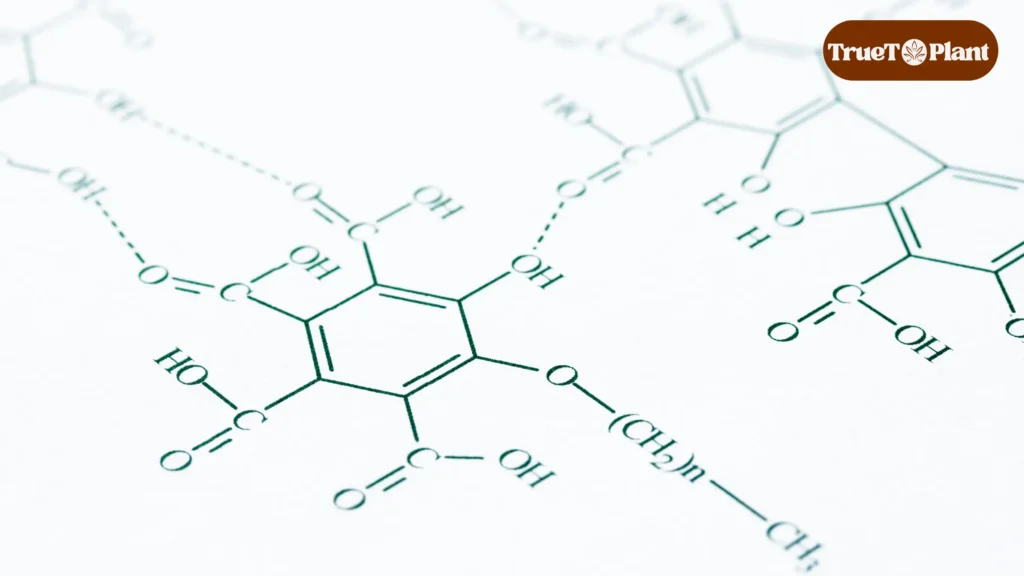
Isoprene (C₅H₈) is the fundamental five-carbon building block that every single terpene in cannabis strains pain management formulas traces back to – a hemiterpene so basic that nature uses it like molecular Lego blocks. When you’re evaluating terpenes for pain relief from suppliers, you’re ultimately looking at different configurations of isoprene units snapped together through biosynthesis.
Cannabis plants manufacture terpene profiles through the MEP pathway in plastids, where terpene cyclases catalyze isoprene units into the beta-caryophyllene, myrcene, or linalool molecules that actually interact with your pain receptors. Understanding this cannabis plant metabolism matters because quality terpene suppliers build their pain management blends by respecting these natural isoprene ratios – not randomly mixing fragrance compounds and calling it “cannabis-derived.” Monoterpenes contain two isoprene units, sesquiterpenes pack three, and complex compounds like beta-carotene assemble from eight isoprene units working as natural pigments.
Understanding this chemistry matters because quality terpene suppliers build their pain management blends by respecting these natural isoprene ratios – not randomly mixing fragrance compounds and calling it “cannabis-derived.”
Custom Terpene Blending Services for Medical Applications
Most terpene suppliers ship pre-made blends that mimic popular medical marijuana strains – but custom formulation studios let you build indica sativa hybrid pain profiles tailored to specific patient populations or delivery methods. True Terpenes’ Headstash service preserves full-spectrum aroma in cannabis products by replicating strain fidelity at scale, while smaller formulation labs work directly with dispensaries to match regional patient preferences.
The difference shows up in real-world outcomes. A PAX study found that a 13.9% THC strain outperformed 29.8% THC in EEG brain activity measurements due to aromatic complexity – proving that custom terpene ratios matter more than cannabinoid potency alone for many pain management applications. This is also supported by the broader research into breeding high-terpene cannabis strains and what decade-long cultivation work reveals about chemotypic consistency.
True To Plant builds formulas that mirror natural chemotypic expression rather than rough approximations, studying how plants actually manufacture terpene profiles before translating those patterns into consistent blends. This approach respects the isoprene-based biosynthesis pathways that create therapeutic compounds instead of treating terpenes like interchangeable fragrance oils.
When you’re sourcing for topical pain formulations or transdermal patches, custom blending services adjust volatility profiles and penetration enhancers based on your delivery system. Off-the-shelf “OG Kush” blends won’t account for whether you’re formulating a sublingual tincture or a slow-release patch – custom work does. Explore how nature-guided formulation principles shape this kind of precision approach.
The eight suppliers we’ve covered represent a fundamental shift in how pain management professionals source therapeutic compounds – moving from strain-chasing to precision terpene formulation. You’re no longer limited to whatever “Granddaddy Purple” or “Blue Dream” genetics a local grower happens to cultivate. Instead, you can source standardized β-caryophyllene, linalool, and myrcene profiles from certified vendors who publish batch-specific COAs and maintain GMP facilities.
This matters especially for topical applications. The best CBD roll-on for pain doesn’t rely on strain mythology – it uses targeted terpene ratios optimized for transdermal absorption and localized anti-inflammatory action. Suppliers like Denver Terpenes and True Terpenes provide the raw materials, but formulation expertise determines whether those compounds actually penetrate tissue and modulate pain receptors.
True To Plant approaches this challenge by studying how plants create complex chemistry naturally, then translating those biosynthetic patterns into consistent blends that respect chemotypic complexity rather than oversimplifying it. If you’re developing plant-based formulations for chronic pain and need formulation support that goes beyond buying pre-made bottles, explore True To Plant’s custom blending services to build profiles that match your specific delivery system and patient population.
The future of cannabis pain relief isn’t about finding the perfect strain – it’s about working with suppliers who understand plant chemistry diversity well enough to recreate it reliably.