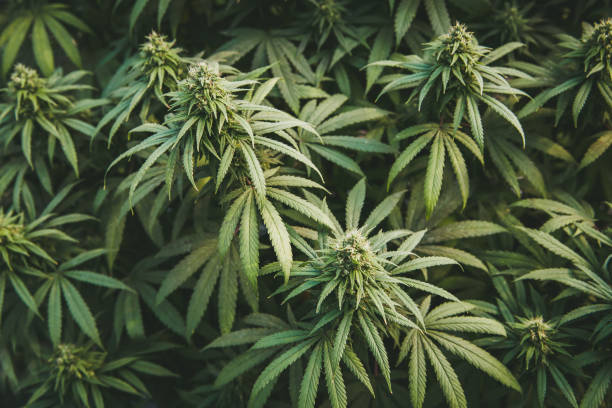




The gap between premium cannabis and mediocre product has never been wider – and terpene quality is the dividing line. Award-winning entries at competitions like the Emerald Cup clock in at 3-5% terpene content, while most retail flower barely reaches 1%. That’s not just a number. It’s the difference between rich, complex aroma and flat, forgettable product.
But here’s the problem: terpenes are fragile. Heat, oxygen, and even standard irradiation processes can degrade these volatile compounds by 10-38% before you ever open the package. With testing lab failures making headlines in states like New Jersey and inconsistent standards across markets, knowing which cannabis terpene brands you can actually trust matters more than ever in 2026.
This guide cuts through the marketing noise. We’re evaluating terpene quality through the lens of third-party testing, transparent COAs, and real-world performance – the criteria most reviews completely ignore.
What Makes a Cannabis Terpene Brand Trustworthy in 2026?
Not all terpene brands operate with the same standards. The difference between a trustworthy supplier and a questionable one often comes down to what they’re willing to show you – and what they’d rather hide.
- Third-Party Lab Testing and Accessible COAs – Certificates of Analysis (COAs) are the baseline for any legitimate cannabis terpene brand. These documents verify cannabinoid and terpene content, confirm the absence of pesticides, heavy metals, and residual solvents, and prove microbial safety. According to cannabis testing compliance standards, reputable brands make COAs easily accessible – usually via QR code on packaging or downloadable from their website. If you have to email customer service three times to get testing data, that’s a red flag.
- Transparent Sourcing and Cultivation Methods – Top cannabis brands in 2026 don’t hide where their material comes from. Look for clear information about cultivation practices, whether they use organic amendments, and how they preserve terpene profiles during harvest and processing. California cannabis producers, for example, often highlight testing results showing how their growing methods impact final terpene concentrations. Vague language like “premium quality” without specifics is a warning sign.
- Batch-Level Consistency and Traceability – Strain genetics matter, but so does consistency. Trustworthy brands provide batch numbers that correspond to specific COAs, allowing you to verify that the product you’re holding matches the test results you’re reading. This traceability is especially critical for terpene-rich strains where even minor processing variations can shift the profile dramatically.
- Regulatory Compliance in Target Markets – Standards vary wildly by state. A brand operating in multiple markets should meet the strictest requirements, not just the minimum. Check whether they’re compliant with state-specific testing mandates and whether they voluntarily exceed baseline standards.
The cannabis terpene market is projected to grow at 6.2% CAGR through 2033, but not all brands deliver what they promise. After evaluating sourcing transparency, lab testing standards, and real-world pricing across the industry, five brands consistently outperform on the criteria that actually matter.
Brand Comparison: Features, Testing, and Pricing
| Brand | Source Type | COA Accessibility | Price Range | Best For |
| Entour Brand | Cannabis-informed botanical | Batch-specific, downloadable | Premium ($$$) | Strain-specific authenticity |
| Denver Terpenes | Botanical blends | Available on request | Mid-range ($$) | Bulk buyers, consistent profiles |
| True To Plant | Cannabis-informed botanical | Transparent, batch-level | Mid-to-premium ($$-$$$) | Chemotype accuracy, formulation work |
| HG Terpenes | Food-grade botanical | Standard testing provided | Budget-friendly ($) | European compliance, flavor work |
| Abstrax Tech | Cannabis & botanical hybrid | Third-party verified | Premium ($$$) | Research-grade precision |
1. Entour Brand – Strain-Specific Authenticity
Entour Brand specializes in cannabis-informed botanical terpene formulations designed to replicate real strain chemotypes with high precision. Instead of relying on crude approximations, they focus on ratio-accurate blending that mirrors the natural molecular synergy found in premium cultivars.
Their batch documentation is highly transparent. Each product includes downloadable COAs linked to specific production runs, showing complete terpene breakdowns including minor compounds that contribute to aroma depth and effect profiles. This level of detail makes them especially valuable for brands aiming to match finished products with consistent strain identities.
The trade-off is pricing. Entour Brand operates in the premium tier, reflecting its emphasis on formulation accuracy, testing rigor, and compliance standards. You’re paying for reliability and reproducibility rather than mass-market volume. Large scale purchases are provided with more moderate pricing.
2. Denver Terpenes – Volume Without Compromise
With over 100 botanical terpene blends in their catalog, Denver Terpenes built their reputation on consistency at scale. Their batch standards remain tight even when you’re ordering in bulk, which solves a common problem: many suppliers let quality drift when volume increases.
Their pricing structure favors commercial operators. The per-milliliter cost drops significantly at higher volumes, making them a practical choice for brands producing terpene-rich strains in larger batches. COAs are available on request rather than automatically provided, which isn’t ideal but still meets baseline transparency requirements.
The botanical sourcing means you won’t get the exact cannabis chemotype, but their formulation team studies real strain profiles to create functional analogs. For product developers who need reliable building blocks without cannabis-derived pricing, this approach works.
3. True To Plant – Chemotype-Focused Formulation
True To Plant approaches terpene blending differently. Rather than copying individual strains, the team analyzes chemotypic expression patterns across entire genetic families, then builds formulas that mirror natural complexity. This chemotype-first methodology respects how plants actually manufacture secondary metabolites instead of treating terpenes as isolated flavor notes.
Batch-level traceability is standard. Every blend ships with documentation showing the botanical sources, concentration ranges, and how the formula maps to the target chemotype. For partners working on increasing terpene production protocols or studying how environmental controls shift profiles, this level of detail supports serious R&D work.
Pricing sits between budget botanical blends and premium cannabis-derived extracts. You’re paying for the research and precision botanical formulation, not just the raw materials.
4. HG Terpenes – European Standards, Global Access
HG Terpenes operates under European food-grade regulations, which often exceed baseline U.S. cannabis standards. Their THC/CBD-free profiles make them viable for markets with strict compliance requirements, and their strain-specific blends like Biscotti deliver recognizable aromatic signatures without cannabis sourcing.
The budget-friendly pricing reflects their botanical origins and European production scale. For brands entering new markets or testing formulations before committing to expensive cannabis-derived sources, HG offers a low-risk entry point.
Testing documentation covers the essentials – purity, absence of contaminants, concentration verification – but doesn’t reach the granular detail that research-focused buyers might want. For flavor and aroma applications in vapes or edibles, the documentation is sufficient.
5. Abstrax Tech – Research-Grade Precision
Abstrax Tech combines cannabis-derived extraction with advanced analytical chemistry, positioning themselves at the research end of the market. Their third-party verification goes beyond standard COAs, often including sensory analysis data and stability testing that shows how profiles hold up over time.
This level of rigor matters for brands making specific claims about terpene content or effect profiles. The data supports label accuracy in ways that basic testing can’t match. Their hybrid approach – using both cannabis and botanical sources depending on the target profile – gives formulation flexibility without sacrificing precision.
Premium pricing reflects the analytical overhead and R&D investment. You’re not just buying terpenes; you’re buying the validation that your product contains exactly what you claim.
What the Market Data Actually Shows
According to cannabis-derived terpene market research, the industry is consolidating around brands that can prove consistency across batches while maintaining transparent sourcing. The projected 6.2% CAGR through 2033 reflects growing demand, but also increasing scrutiny from both regulators and informed consumers who’ve learned to spot vague marketing.
The brands that survive won’t just meet minimum testing standards – they’ll exceed them voluntarily and make the data accessible without friction. That shift separates top cannabis brands in 2026 from the ones still operating like it’s 2019.
What Are the Best Terpenes in Cannabis? Understanding Profiles & Effects
There’s no single “best” terpene – the question misses how these compounds actually work. Cannabis produces over 150 terpenes, but four consistently dominate high terpene flower profiles and drive the effects users recognize: myrcene, limonene, pinene, and caryophyllene. Each shapes strain genetics differently, and understanding their specific roles helps you choose terpene-rich strains that match your needs.
Myrcene: The Sedative Workhorse – Found in 20% or more of most indica-dominant chemotypes, myrcene is the relaxation compound people associate with “couch-lock” strains. According to research on cannabis terpene effects, myrcene also appears in mangoes, lemongrass, and hops, contributing earthy, musky notes. In practical terms: if you’re comparing two terpene profiles and one shows 2% myrcene while the other shows 0.3%, the first will feel noticeably heavier.
Limonene: Mood and Energy – This citrus-scented terpene shows up strongest in sativa-leaning genetics and brings the uplifting effects users chase in daytime strains. Limonene concentrations above 1.5% typically signal a more energizing profile, though it’s rarely the dominant terpene. You’ll find it in California cannabis varieties bred for social use rather than sleep.
Pinene: Clarity and Focus – The most common terpene in nature (it’s what makes pine trees smell like pine trees), pinene appears in two forms in cannabis: alpha-pinene and beta-pinene. Strains high in pinene often produce sharper mental effects with less memory fog. It’s also the compound linked to improved respiratory function, which matters for anyone concerned about inhalation methods.
Caryophyllene: The Spicy Outlier – Unique among cannabis terpenes, caryophyllene directly activates CB2 receptors in the endocannabinoid system, making it technically both a terpene and a cannabinoid. It brings peppery, spicy notes and appears in higher concentrations in strains bred for physical relief rather than psychoactive intensity.
The “mother of all terpenes” is isoprene – a five-carbon building block that all other terpenes derive from during biosynthesis. But isoprene itself doesn’t appear in meaningful concentrations in finished cannabis flower. What matters for consumers isn’t the biochemical ancestor; it’s how myrcene, limonene, pinene, and caryophyllene combine in specific ratios to create the effects you’re actually experiencing. Plant chemistry diversity is what makes these combinations so variable and so fascinating.
How to Verify Terpene Quality: Testing Standards & Certifications
The only reliable way to verify terpene quality is demanding a Certificate of Analysis (COA) from an accredited third-party lab – not the manufacturer’s in-house testing. Gas chromatography (GC) and gas chromatography-mass spectrometry (GC-MS) are the industry standards for terpene analysis, separating individual compounds and measuring their exact concentrations. When you’re evaluating cannabis brands 2026, this documentation isn’t optional – it’s the difference between buying verified terpene profiles and marketing claims.
Look for COAs that list individual terpene concentrations by percentage, not just a total terpene count. A legitimate report breaks down myrcene at 1.8%, limonene at 0.6%, pinene at 0.4% – giving you the actual chemotype data rather than vague “high terpene” promises. According to Cannabis Science and Technology, gas chromatography provides the precision needed to identify and quantify the dozens of volatile compounds in terpene-rich strains.
The lab should hold ISO/IEC 17025 accreditation, which certifies their testing procedures meet international standards. True To Plant builds formulas from precisely characterized botanicals, and that level of natural chemotypes requires the same verification standards you should demand from any terpene supplier. California cannabis regulations already mandate third-party testing for licensed products, but if you’re buying botanical terpenes for formulation work, you’re responsible for requesting that documentation yourself.
Red flags: brands that refuse to share COAs, labs that only test for cannabinoids while skipping terpene analysis, or reports without batch-specific identification numbers.
Choosing Your Trusted Terpene Partner in 2026
You’ve got the framework – now use it. Demand third-party COAs with individual terpene breakdowns, verify ISO/IEC 17025 lab accreditation, and compare pricing across verified cannabis terpene brands before committing to a supplier. The terpene profiles you choose directly impact product quality, whether you’re formulating plant-based wellness products or evaluating high terpene flower for personal use. True To Plant builds chemotype-accurate formulas from precisely characterized botanicals, applying the same verification standards outlined here. Don’t settle for vague marketing claims when you can verify every compound in the blend.