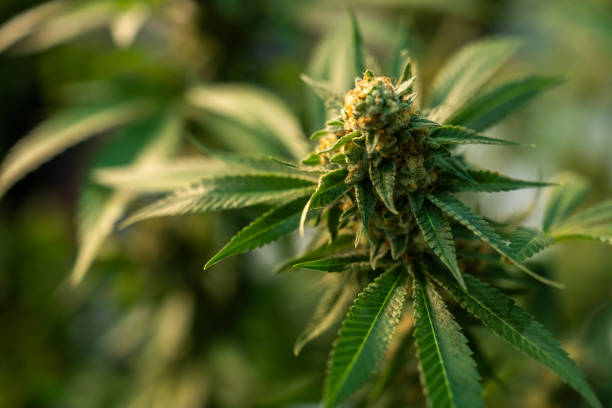
I still remember the day I discovered bud rot in my grow room. There I was, three days away from harvest, admiring my beautiful Purple Kush colas that had been fattening up perfectly for weeks. Everything looked amazing until I noticed one of the fan leaves on my biggest bud looking… wrong. Yellow. Droopy. Like it was giving up.
When I gently tugged on that leaf, it came off way too easily, revealing the nightmare underneath – gray, moldy death eating my prize cola from the inside out. I literally felt sick to my stomach.
That day, I lost about 40% of my crop to bud rot. But it taught me everything I needed to know about preventing this cruel harvest thief from ever striking again.
What Exactly is Bud Rot? (The Enemy We Need to Understand)
Bud rot, officially called Botrytis cinerea, is basically a fungal infection that targets your biggest, fattest, most beautiful buds right when they’re approaching perfection. It’s like the universe is playing a cosmic joke on successful growers.
Here’s what makes it so devastating: bud rot attacks from the inside out. By the time you see the external symptoms, the fungus has already been having a feast inside your cola for days or even weeks.
The Telltale Signs I Wish I’d Known Earlier
Early Warning Signs:
- Fan leaves on thick buds suddenly turning yellow or brown
- Leaves that pull off way too easily (healthy leaves resist)
- Musty, “off” smell around certain buds
- Small brown or gray spots appearing on bud surfaces
Advanced Symptoms (The “Oh Crap” Stage):
- Gray or brown fuzzy mold visible on buds
- Buds that easily split apart revealing dark, musty interiors
- Entire sections of colas turning crispy and brown
- That horrible dusty appearance when you crack open infected buds
The truly cruel part? Bud rot almost always hits your biggest, most impressive colas first. Small buds rarely get infected. It’s like the fungus has a personal vendetta against your best work.
Why Does Bud Rot Happen? (The Perfect Storm)
After losing multiple crops before I figured this out, I now understand that bud rot needs three things to thrive:
1. High Humidity (The #1 Culprit)
Anything above 60% relative humidity during flowering is basically rolling out the red carpet for Botrytis. The sweet spot for cannabis plant metabolism during flowering is 40-50% RH. Any higher and you’re playing Russian roulette.
I learned this the hard way during a particularly humid September. My dehumidifier couldn’t keep up with the outdoor moisture, and I watched helplessly as bud rot spread through my garden like wildfire.
2. Poor Air Circulation
Stagnant air is bud rot’s best friend. Those thick, dense colas create perfect little pockets of humid, still air inside the plant. Without proper airflow moving through and around your plants, these pockets become fungal breeding grounds.
3. Dense, Thick Buds (The Ironic Trap)
This is the cruel irony – the better you are at growing fat, dense colas, the more susceptible you become to bud rot. Those massive buds that make you proud? They’re also creating perfect conditions for moisture retention and poor air penetration.
The Environmental Triggers That Spell Disaster
Temperature Swings: Botrytis loves cool temps (50-60°F). If your grow room gets cold at night and warm during the day, you’re creating condensation inside your buds.
Rainy Weather (For Outdoor Growers): Multiple days of rain or high humidity can trigger bud rot outbreaks. I’ve seen entire outdoor crops wiped out after a week of drizzle.
Frost and Freeze Cycles: When frost melts on your buds, it creates wet conditions perfect for spore germination.
Wounds and Damage: Any injury to your plant – from pests, training damage, or environmental stress – becomes an entry point for fungal spores.
My Foolproof Prevention Strategy (Learned Through Painful Experience)
1. Humidity Control is EVERYTHING
I can’t stress this enough – get a quality dehumidifier and hygrometer. I use an Aprilaire 1850F for my 8×8 flowering room, and it keeps RH locked at 45% throughout flowering.
For smaller setups, even a basic 30-pint dehumidifier can make the difference between harvest success and heartbreak. This isn’t optional equipment – it’s essential.
2. Air Movement is Life
I run oscillating fans 24/7 during flowering, positioned to create air movement both above and through the canopy. The goal is to make sure no air pocket stays stagnant for more than a few seconds.
My setup includes:
- Two 6-inch oscillating fans at canopy level
- One stationary fan pushing air up from below
- Exhaust fan constantly pulling humid air out of the room
3. Strategic Defoliation (The Controversial Solution)
This one sparked debates in growing forums for years, but I’m a believer. About 3 weeks into flowering, I remove fan leaves that are:
- Blocking airflow to bud sites
- Creating humid pockets between overlapping leaves
- Yellowing or showing any signs of stress
The key is moderation – remove enough to improve airflow without shocking the plant. Plant secondary metabolites production can actually increase when plants have better air circulation.
4. The Spacing Game
I learned to give my plants room to breathe. Cramming too many plants in a small space creates a humidity nightmare. Now I run fewer plants with more space between them, and my bud rot problems virtually disappeared.
5. Strain Selection Matters
Some strains are naturally more resistant to mold and fungus. After getting burned by finicky genetics, I now prioritize mold-resistant strains for humid climates:
- Northern Lights (basically bulletproof)
- White Widow (surprisingly resilient)
- Power Plant (bred for outdoor growing)
- Durban Poison (handles humidity like a champ)
The “Oh Shit” Moment: What to Do When You Find Bud Rot
Finding bud rot doesn’t mean game over – if you act fast and smart.
Step 1: Don’t Panic (But Do Act Immediately)
Take a deep breath. I know it’s devastating, but you can minimize the damage if you move quickly.
Step 2: Quarantine and Remove
Cut out ALL affected buds with sterilized scissors, going at least 2 inches beyond any visible infection. Be ruthless – trying to save partially infected buds will cost you more in the long run.
Bag the infected material immediately and get it out of your grow space. Don’t compost it, don’t save it for edibles – just trash it.
Step 3: Environmental Triage
- Drop humidity to 40% or lower immediately
- Increase air circulation dramatically
- Consider raising temperatures to 75-78°F to slow fungal growth
Step 4: The Harvest Decision
If you’re within 2 weeks of your planned harvest date and can’t fix the environmental conditions, it might be better to harvest early rather than risk losing more buds.
I’ve made this call several times, and while early-harvested buds aren’t as potent, they’re infinitely better than moldy buds you have to throw away.
Advanced Prevention: The Pro Tips That Changed Everything
UV-B Lighting
Adding UV-B supplemental lighting during the last 3-4 weeks of flowering has two benefits: it increases resin production AND creates surface conditions that discourage fungal growth. Game-changer.
Foliar Sprays (Vegetative Stage Only)
During veg, I spray with a diluted potassium bicarbonate solution (1 tsp per quart of water) to create an alkaline surface that resists fungal spores. Never spray during flowering – it can promote the very problem you’re trying to prevent.
The Plant Yo-Yo Trick
Heavy colas that droop create airflow problems and are more susceptible to bud rot. Plant yo-yos (little pulley systems) keep heavy branches upright and improve air circulation around buds.
Beneficial Microorganisms
I’ve started using beneficial bacteria and fungi in my root zone. These good microbes compete with pathogens and seem to improve overall plant immunity.
Outdoor Growing: Special Considerations
Outdoor growing presents unique challenges because you can’t control Mother Nature, but you can adapt:
Location Selection
- Choose spots with natural airflow (gentle breezes, not wind storms)
- Avoid low-lying areas where humidity pools
- Consider morning sun exposure to help dry overnight dew
Weather Watching
I obsessively check weather forecasts during flowering. If heavy rain is predicted, I have tarps ready to protect my plants. The key is keeping buds dry during vulnerable periods.
Strain Timing
I’ve learned to match flowering time with local climate patterns. Fast-finishing strains that harvest in early September (before the rains start) have saved me countless times.
The Economics of Prevention vs. Loss
Let me put this in perspective: a good dehumidifier costs $200-400. Losing 40% of your crop to bud rot costs… way more than that. Plus the emotional devastation of watching months of work literally rot away.
Prevention isn’t just smart growing – it’s economic necessity.
When to Give Up and Start Over
Sometimes, despite your best efforts, bud rot gets out of control. I’ve learned to recognize when it’s time to cut losses:
- If more than 30% of your buds show infection
- If new infection sites appear daily despite environmental controls
- If you’re more than 4 weeks from harvest and can’t control humidity
Starting over sucks, but it’s better than harvesting moldy, potentially dangerous cannabis.
The Silver Lining: What Bud Rot Taught Me
Ironically, dealing with bud rot made me a much better grower. It forced me to understand plant chemistry diversity and environmental control in ways I never would have learned otherwise.
Now my grow rooms run like climate-controlled laboratories. My yields are higher, my quality is better, and I haven’t lost a single bud to rot in over three years.
The Bottom Line: Respect the Fungus
Bud rot will always be a potential threat, but it doesn’t have to be a harvest-ending disaster. With proper environmental controls, good genetics, and vigilant monitoring, you can grow those massive, dense colas without fear.
The key is understanding that growing cannabis isn’t just about feeding and lighting plants – it’s about creating an entire ecosystem that favors your plants over their enemies.
Your future harvest-time self will thank you for investing in prevention now. Trust me on this one – I’ve been on both sides of the bud rot equation, and winning feels a whole lot better than losing.