Why Terpenes Became the Focus
Ten years ago, most growers and consumers were mainly concerned with THC percentage. Higher numbers meant stronger products. But over time, cultivators and researchers began noticing something important: two strains with the same THC levels could feel completely different.
The difference often came down to terpenes.
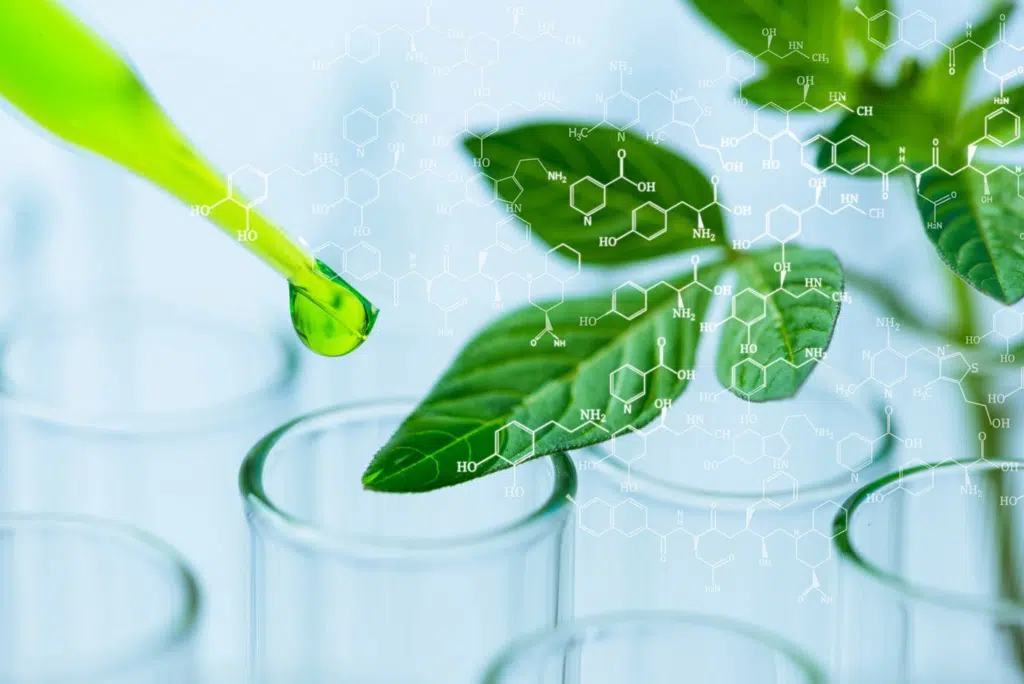
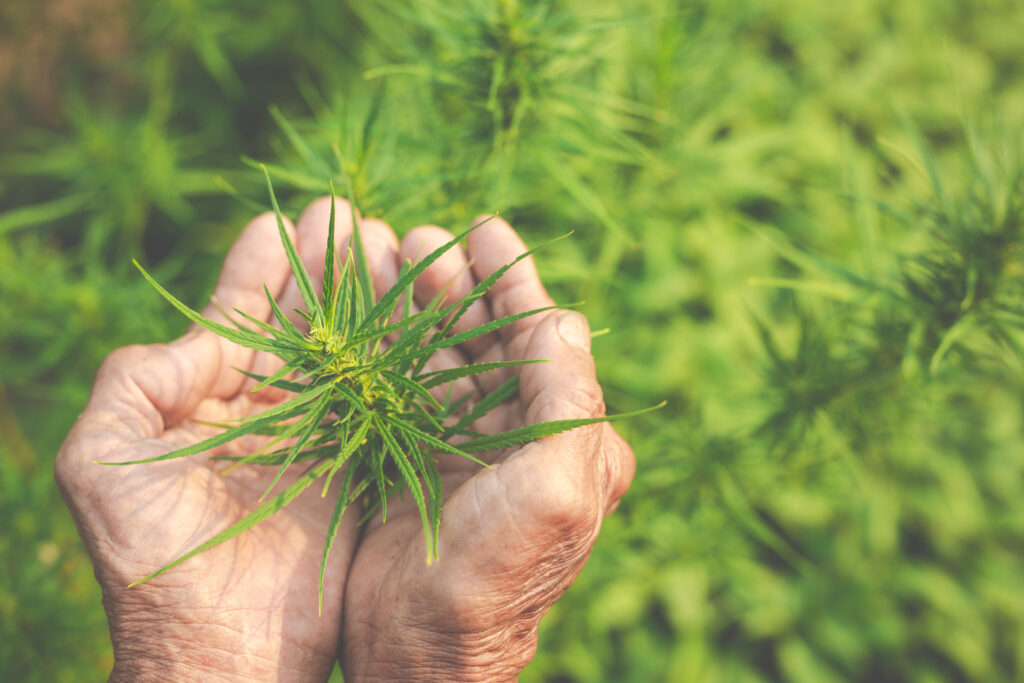
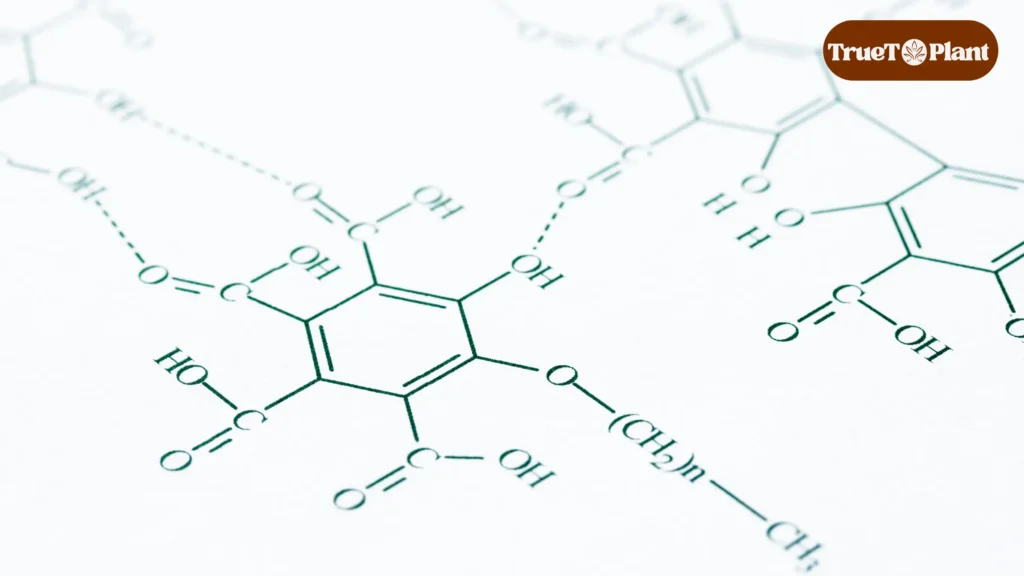
Terpenes are natural compounds found in cannabis and many other plants. They are responsible for the smell of pine forests, citrus peels, and fresh lavender. In cannabis, they influence not just aroma and flavor, but also how the overall experience feels.
As awareness grew, breeders began asking a new question:
What if we focused on maximizing terpene content instead of just THC?
Year 1–3: Identifying Strong Genetic Foundations
The first stage in breeding high-terpene strains involved studying plant genetics. Growers started identifying cannabis plants that naturally expressed strong aromas and higher terpene concentrations.
Key steps during this phase included:
- Selecting phenotypes with strong scent profiles
- Lab testing terpene percentages
- Preserving genetics through cloning
- Cross-breeding aromatic parent strains
Breeders quickly learned that terpene production is influenced by both genetics and environment. Simply crossing two fragrant strains didn’t guarantee success. Stability took multiple generations.
Year 4–6: Stabilizing Terpene Profiles
Once promising parent plants were identified, the real work began—stabilization.
Stabilization means breeding plants over multiple generations until they consistently express desired traits, including:
- High terpene concentration
- Specific dominant terpenes (like limonene, myrcene, or caryophyllene)
- Strong aroma retention during flowering
- Balanced cannabinoid-to-terpene ratios
This stage required:
- Repeated lab testing
- Controlled indoor environments
- Careful nutrient management
- Detailed documentation
During this time, cultivators also explored how environmental factors like lighting, soil composition, and curing techniques impacted terpene preservation.
At the same time, the broader plant wellness industry began applying similar principles to botanical formulations. You can see how plant chemistry is used in advanced formulations at Natural Chemotypes Botanical Products, where terpene-rich plant profiles are carefully developed and refined.
Year 7–8: Fine-Tuning Flavor, Aroma, and Experience
As terpene breeding matured, the focus expanded beyond “more terpenes” to “better terpene combinations.”
Breeders began designing strains with specific goals:
- Energizing citrus-forward profiles
- Relaxing floral and earthy blends
- Balanced hybrid terpene structures
- Unique dessert-like or fuel-heavy aromas
This is where the art met the science.
By combining different terpene-dominant strains, breeders created layered aroma profiles that stood out in a competitive market. Consumers started asking about terpene percentages, not just THC content.
Lab reports began listing terpene breakdowns, including:
- Limonene
- Myrcene
- Pinene
- Linalool
- Beta-caryophyllene
This shift marked a turning point in cannabis cultivation.
Year 9–10: High-Terpene Strains Become Industry Standard
By the end of the decade, high-terpene strains were no longer niche—they became the benchmark.
Modern consumers look for:
- Full-spectrum plant profiles
- Rich aroma retention after curing
- Balanced cannabinoid-terpene synergy
- Consistency batch after batch
Breeding efforts also began influencing industries beyond flower products. Terpene science now plays a role in concentrates, extracts, and even plant-based skincare innovation.
For example, terpene knowledge is being applied in botanical wellness solutions such as Plant Wellness Skincare, where plant-derived compounds are carefully selected to support overall skin health.
This crossover shows how terpene research has expanded far beyond traditional cannabis markets.
Challenges in Breeding High-Terpene Cannabis
The 10-year journey hasn’t been easy. Breeders face several ongoing challenges:
1. Genetic Variability
Not every seed produces predictable terpene results. Stabilizing traits can take years.
2. Environmental Sensitivity
Heat, humidity, and improper curing can degrade terpenes quickly.
3. Balancing Potency and Aroma
Sometimes increasing terpene production affects yield or cannabinoid ratios.
4. Market Education
Many consumers are still learning why terpenes matter.
Despite these challenges, the industry’s shift toward terpene-rich cannabis shows a deeper understanding of plant chemistry.
The Science Behind High-Terpene Expression
Terpene production occurs in the trichomes—the tiny resin glands on cannabis flowers. These glands also produce cannabinoids.
To enhance terpene production, breeders and growers focus on:
- Optimized light spectrum
- Stress management during growth
- Organic soil enrichment
- Slow curing techniques
- Controlled drying temperatures
Research continues to explore how plant stress responses and metabolic pathways influence terpene synthesis.
Why the 10-Year Journey Matters
The decade-long focus on terpene breeding represents a major evolution in cannabis cultivation.
Instead of chasing the highest THC numbers, breeders now prioritize:
- Whole-plant chemistry
- Flavor complexity
- Balanced experiences
- Sustainable cultivation methods
This shift has elevated cannabis from a potency-driven product to a plant appreciated for its full chemical profile.
Consumers today are more informed and more curious. They ask about terpene percentages, strain lineage, and cultivation methods. That awareness is the direct result of ten years of focused breeding and research.
The Future of High-Terpene Cannabis Strains
Looking ahead, breeding innovation will likely include:
- Targeted terpene engineering
- Rare terpene exploration
- Improved preservation during extraction
- Customized terpene blends
- Data-driven genetic selection
As technology advances, breeders may gain even more control over terpene expression while maintaining plant stability and quality.
The next decade will likely build on the foundation laid by the first ten years of terpene-focused breeding.
Final Thoughts
The 10-year journey of breeding high-terpene cannabis strains reflects growth, innovation, and a deeper respect for plant chemistry. What started as an effort to increase potency has evolved into a sophisticated science focused on aroma, balance, and full-spectrum plant expression.
Terpenes are no longer just about scent—they are central to how cannabis is cultivated, experienced, and integrated into broader plant-based wellness industries.
As research continues, high-terpene strains will remain at the forefront of cannabis development, shaping the future of cultivation for years to come.