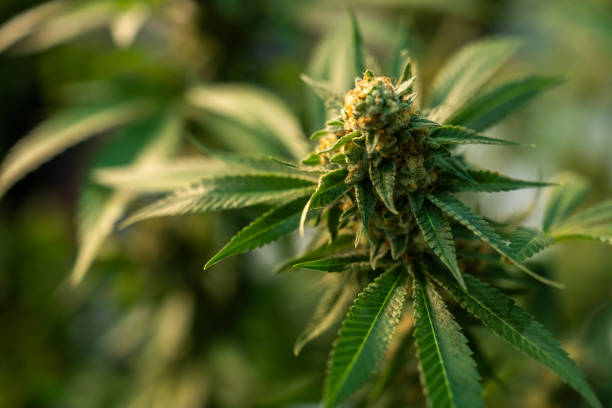



Terpenes are natural aromatic compounds found in many plants, including cannabis, citrus fruits, pine trees, and herbs like lavender and rosemary. They are responsible for the scents and flavors we associate with different plants.
For example:
- Limonene has a citrus scent.
- Myrcene has an earthy, musky aroma.
- Pinene smells like fresh pine needles.
- Linalool offers a floral, lavender-like fragrance.
Beyond their aromas, terpenes are believed to play a role in how plant-based compounds interact with the body.
If you’re interested in exploring plant-based wellness options, you can learn more about high-quality botanical formulations at Natural Chemotypes Botanical Products.
What Is the Endocannabinoid System (ECS)?
The endocannabinoid system is a complex cell-signaling system found in the human body. It plays a role in maintaining balance (also known as homeostasis). The ECS helps regulate functions such as:
- Mood
- Sleep
- Appetite
- Immune response
- Pain perception
- Stress levels
The ECS is made up of three main components:
- Endocannabinoids – Natural compounds produced by your body.
- Receptors (CB1 and CB2) – Found throughout the brain and body.
- Enzymes – Break down endocannabinoids once they’ve done their job.
Cannabinoids like THC and CBD are widely known for interacting directly with CB1 and CB2 receptors. Terpenes, however, may influence the ECS in more subtle ways.
How Terpenes Influence the Endocannabinoid System
Unlike cannabinoids, terpenes don’t typically bind directly to CB1 or CB2 receptors in the same way. Instead, they may support or modify how cannabinoids and other compounds interact with the body.
Here’s how:
1. Supporting the “Entourage Effect”
One of the most talked-about concepts in cannabis science is the “entourage effect.” This theory suggests that cannabinoids and terpenes work better together than they do alone.
For example, a product that contains both CBD and certain terpenes may offer a more balanced or targeted experience compared to isolated CBD. Terpenes can influence how cannabinoids are absorbed and how they affect the body’s signaling pathways.
2. Modulating Receptor Activity
Some terpenes may interact indirectly with ECS receptors or influence other receptor systems that communicate with the ECS. For instance:
- Beta-caryophyllene is unique because it may interact with CB2 receptors, which are mainly found in the immune system.
- Linalool and myrcene are often associated with calming effects that may complement ECS activity.
This indirect support can help shape the overall experience of plant-based wellness products.
3. Influencing Mood and Stress Response
The ECS plays a key role in stress regulation and emotional balance. Certain terpenes, like limonene and linalool, are often linked to uplifting or calming sensations. These properties may work alongside the ECS to promote a sense of well-being.
This is one reason why terpene-rich formulations are gaining attention in areas like aromatherapy, plant extracts, and even skincare.
You can explore plant-based wellness innovations that combine science and nature through Plant Wellness Skincare solutions.
Terpenes Beyond Cannabis
Although terpenes are commonly discussed in cannabis education, they are present in many non-cannabis plants. Their influence on the body is not limited to cannabis products.
For example:
- Citrus peels are rich in limonene.
- Lavender contains linalool.
- Black pepper is high in beta-caryophyllene.
This wide presence in nature highlights the broader role terpenes may play in botanical science and plant-based wellness formulations.
Why Understanding Terpenes Matters
As more people look for natural wellness options, understanding how terpenes interact with the endocannabinoid system becomes increasingly important.
Here’s why:
- Informed choices: Knowing the terpene profile of a product can help you select one that aligns with your goals.
- Targeted support: Different terpenes may support relaxation, focus, or balance in different ways.
- Better synergy: Full-spectrum and terpene-rich products may offer a more comprehensive plant-based experience.
The Future of Terpenes and ECS Research
Research on terpenes and the endocannabinoid system is still developing. While early findings and anecdotal reports are promising, scientists continue to study how these compounds interact at the molecular level.
What’s clear is that terpenes are not just about flavor and aroma. They are active plant compounds with potential influence on how our bodies respond to botanical formulations.