

Most botanical products treat plants like ingredients lists rather than chemical blueprints. You’ll find “aloe extract” or “green tea” on labels, but those terms hide enormous variation. A calendula extract might contain dozens of different flavonoid ratios depending on harvest timing, soil chemistry, and processing methods. That inconsistency creates a real problem when you’re formulating for sensitive skin or targeting specific hydration outcomes.
Understanding chemotypes changes this entirely. Instead of broad botanical categories, chemotypes identify plants by their dominant secondary metabolite profiles. Think of rose essential oil: one chemotype might express high citronellol for gentle hydration, while another shows geraniol-rich chemistry better suited for carrier oils. The same species, completely different chemical stories.
This precision matters because botanical natural products work through specific molecular interactions, not vague “plant magic.” When you formulate with chemotype-specific cucumber extract, you’re selecting exact terpene and phenolic ratios that deliver repeatable results. Standard botanical extracts give you a rough approximation. Chemotypes give you the actual chemical precision that makes plant-based formulation predictable, scalable, and genuinely effective for targeted applications.
What Are Natural Products and Why Chemotypes Change Everything
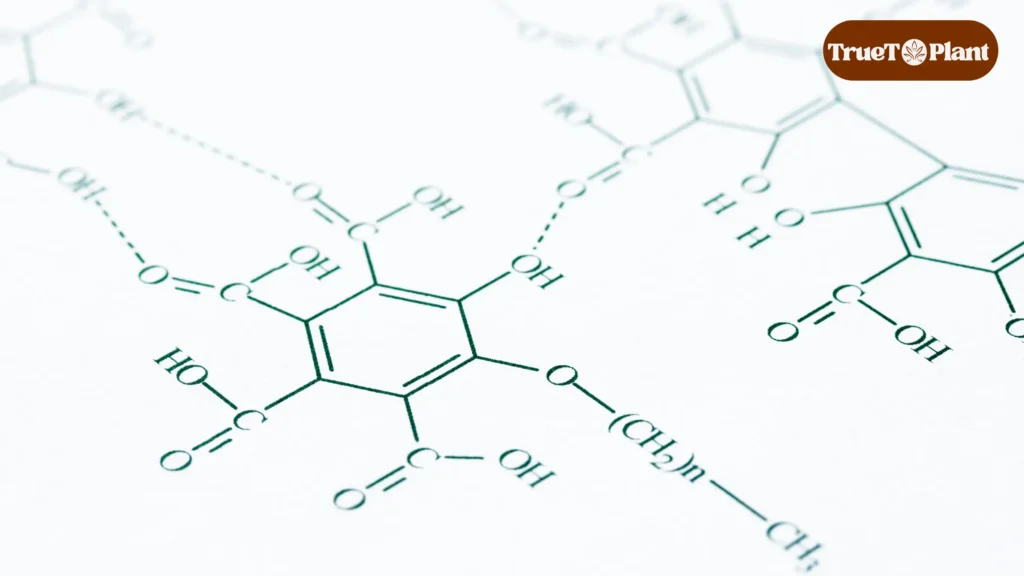
Natural products are biologically active compounds that living organisms produce for survival, defense, and communication. Five common examples include penicillin V (the β-lactam antibiotic from fungal sources), anthraquinones (found in plants like aloe extract), triterpenoids (present in calendula), flavonoids (abundant in green tea), and terpenes (the aromatic compounds in carrier oils and rose). These molecules represent secondary plant metabolites – chemicals plants manufacture beyond basic growth functions.
Here’s where it gets interesting for botanical organic products. The same plant species can produce dramatically different chemical profiles based on geography, climate, and genetics. Scientists call these variations chemotypes. One Cedrus atlantica population might express himachalene-rich essential oil, while another shows completely different dominant compounds. Both are genuine cedar, but their chemistry tells separate stories.
This matters enormously for natural skincare formulation. When you select cucumber extract for hydration without specifying chemotype, you’re working with unpredictable terpene and phenolic ratios. One batch might soothe sensitive skin beautifully. The next could underperform despite identical labeling. Chemotype identification solves this by pinpointing exact molecular fingerprints – like choosing β-caryophyllene-dominant botanicals when you need specific anti-inflammatory action rather than settling for generic plant material.
True To Plant builds formulations around this chemotypic precision, treating each plant variant as a distinct chemical manufacturer rather than interchangeable ingredients. The result transforms botanical products from hopeful approximations into predictable, repeatable offerings with measurable performance benchmarks.
5 Ways Natural Chemotypes Improve Botanical Products
1. Targeted Chemical Precision Eliminates Guesswork
Chemotypes let you select botanical products based on exact molecular profiles rather than hoping plant names translate to performance. When you choose a thymol-dominant thyme chemotype for botanical cleaning products, you’re targeting specific antimicrobial compounds at known concentrations. Standard thyme extract might deliver thymol, linalool, or geraniol depending on harvest variables you’ll never see on a label. That difference determines whether your formulation actually works or just smells pleasant. Standardized extraction protocols minimize this variability by establishing reproducible methods that maintain chemical consistency across production batches.
2. Batch-to-Batch Consistency Becomes Achievable
One analysis of 73 herbal products found over 60% of lavender offerings lacked key marker compounds entirely. When you formulate with chemotype-identified botanicals, you’re specifying which chemical fingerprint must appear in every batch. True To Plant builds this approach into scalable blends by treating each chemotype as a distinct biomanufacturing output. A citronellol-rich rose chemotype for hydration delivers predictable results because you’ve locked in the dominant compound responsible for moisture retention. Generic rose extract gives you a chemical lottery with different terpene ratios every time.
3. Enhanced Efficacy Through Molecular Matching
Natural product chemotypes show higher clinical success rates because they match specific molecular needs to targeted outcomes. When you need calendula for sensitive skin applications, selecting a bisabolol-dominant chemotype gives you the exact anti-inflammatory terpene at therapeutic concentrations. Standard calendula might contain trace bisabolol or none at all. This molecular matching explains why some botanical hair care products outperform others despite identical plant names on ingredient lists. You’re either formulating with the right chemistry or crossing your fingers.
4. Improved Safety Profiles With Traceable Chemistry
Knowing exactly which compounds appear in your botanicals reduces unexpected reactions and allergen exposure. A linalool-rich basil chemotype behaves completely differently than an estragole-dominant variant, even though both come from Ocimum basilicum. When you predict a plant’s chemotype before formulation, you’re identifying potential skin sensitizers, phototoxic compounds, or irritants at the molecular level. This traceability supports the growing demand for low-toxicity alternatives, giving you documented chemical profiles rather than vague botanical promises.
5. Superior Formulation Compatibility Across Applications
Different chemotypes solve different formulation challenges within the same botanical category. Green tea extracts rich in epigallocatechin gallate work beautifully in antioxidant serums but may destabilize certain carrier oils. A catechin-dominant green tea chemotype might blend seamlessly into those same oil bases. This compatibility extends to aloe extract and cucumber extract formulations where specific polysaccharide or terpene ratios determine whether ingredients enhance or interfere with each other. Chemotype selection turns botanical compatibility from trial-and-error into predictable formulation science.
What Are the Benefits of Using Natural Products With Chemotype Specificity
Chemotype-specific botanical products deliver measurable advantages that standard extracts simply can’t match. When you formulate with identified chemotypes, you’re working with documented molecular fingerprints rather than hoping plant names guarantee performance. This precision transforms everything from extraction efficiency to final product stability.
Superior Extraction Efficiency and Yield Optimization
Different chemotypes respond to different extraction methods, and knowing your plant’s chemical profile lets you match the optimal technique. Research comparing medicinal plant extracts shows that extraction solvent choice dramatically affects phenolic content and biological activity. A berberine-rich Thalictrum foliolosum chemotype might yield 40% more active compounds with ethanol extraction compared to aqueous methods. Standard botanical extracts use generic protocols that work adequately for everything but excel at nothing. Chemotype identification lets you tailor extraction parameters to maximize the specific compounds you actually need.
Predictable Carrier Oil Compatibility
Not all botanical extracts play nicely with carrier oils, and chemotype selection solves compatibility issues before formulation begins. A calendula chemotype rich in lipophilic triterpenes disperses beautifully into jojoba or sweet almond bases. Water-soluble polysaccharide-dominant variants might separate or destabilize those same formulations. When you’re building a chemotype essential oil guide approach into cream formulation, matching molecular polarity between botanicals and carriers eliminates reformulation cycles and wasted ingredients.
Enhanced Performance in Targeted Applications
Clinical evidence supports chemotype specificity for measurable outcomes. Studies on Thespesia populnea cream formulation documented 60% itch reduction in psoriasis applications when standardized to >5% tiliacein content. Generic extracts without chemotype verification showed inconsistent results despite identical plant species labeling. For sensitive skin applications requiring gentle hydration, selecting rose or aloe extract chemotypes with specific terpene or polysaccharide profiles delivers repeatable soothing benefits rather than variable responses.
| Feature | Standard Botanical Extract | Chemotype-Specific Extract |
| Chemical Consistency | Variable batch-to-batch | Documented molecular profile |
| Extraction Method | Generic protocols | Optimized for dominant compounds |
| Formulation Compatibility | Trial-and-error testing | Predictable carrier oil behavior |
| Clinical Outcomes | Inconsistent performance | Measurable, repeatable results |
This molecular precision supports the shift toward low-toxicity, earth-friendly alternatives. When you know exactly which compounds appear in cucumber extract or green tea botanicals, you’re formulating with traceable chemistry that meets both efficacy and safety standards.
How Natural Products Inspire New Drugs: The Chemotype Advantage in Discovery
Pharmaceutical development owes much of its success to botanical chemistry. Natural products comprise approximately 50% of FDA-approved drugs from 1981-2019, including aspirin, morphine, paclitaxel, and artemisinin. These aren’t random discoveries – they represent targeted molecular scaffolds that plants evolved over millions of years to solve specific biological challenges.
The chemotype advantage becomes clear when you examine how drug discovery actually works. Morphine from the opium poppy delivers potent pain relief through precise alkaloid chemistry. Paclitaxel from the Pacific yew tree targets cancer cells with specific diterpene mechanisms. Both compounds emerged from plants expressing distinct chemotypes – unique chemical profiles within the same species that determine therapeutic potential.
Modern green drug discovery leverages this botanical diversity by identifying chemotype-specific molecules before synthesis begins. Instead of screening thousands of purely lab-created compounds, researchers start with proven plant chemistry that already demonstrates biological activity. A calendula chemotype rich in specific triterpenes might inspire anti-inflammatory derivatives. Green tea chemotypes expressing particular catechin ratios guide antioxidant development. Aloe extract variants with distinct polysaccharide profiles inform hydration-focused compounds.
This approach delivers higher clinical success rates because you’re working from validated molecular templates. Plants have already solved complex problems – creating compounds that penetrate cell membranes, resist degradation, and target specific receptors. Chemotype identification reveals which botanical variants express the most promising chemistry for particular applications, whether that’s rose compounds for gentle hydration or cucumber extract derivatives for sensitive skin formulations.
The shift toward low-toxicity alternatives amplifies this advantage. Botanical chemotypes offer earth-friendly starting points with documented safety profiles, reducing development risks while maintaining therapeutic efficacy. Drug discovery increasingly treats plants as precision biomanufacturing facilities, and chemotypic specificity determines which facilities produce the chemistry worth translating into medicine.
Sourcing and Verifying Quality Chemotype-Certified Ingredients
Step 1: Request Analytical Reports
Start by asking suppliers for certificates of analysis documents that show exact compound percentages. These reports reveal whether your rose oil actually contains the citronellol levels promised or if your calendula delivers the bisabolol concentrations you need for sensitive skin formulations. Legitimate chemotype suppliers provide batch-specific data, not generic certificates. Look for dominant compound identification with percentage ranges – a linalool-rich basil should show 40-70% linalool, not vague “present” notations.
Step 2: Verify Botanical Authentication Methods
Quality suppliers use DNA barcoding and metabolomics to confirm plant identity before extraction. This two-key verification system catches substitutions that visual inspection misses entirely. Ask whether genomic testing confirmed species accuracy and if liquid chromatography-mass spectrometry profiled secondary metabolites. Without these checks, your “cucumber extract” might contain completely different chemistry than expected.
Step 3: Demand Batch-to-Batch Consistency Documentation
Chemotype certification means nothing without proof that each production run maintains identical chemical profiles. Request historical testing data across multiple batches showing stable dominant compound ratios. Natural variability exists, but reputable suppliers control extraction parameters and source material to keep fluctuation within 5-10%. Wide variation signals poor quality control or inconsistent chemotype sourcing.
Step 4: Confirm Extraction Method Alignment
Different solvents pull different compounds from botanical organic products. Verify that extraction techniques match the chemotype’s dominant chemistry – CO2 extraction for lipophilic terpenes in carrier oils, ethanol for phenolic-rich green tea variants. Mismatched methods reduce active compound yields and compromise the chemical precision that makes chemotype sourcing worthwhile.
Building Products That Honor Plant Complexity
Most botanical products flatten plant chemistry into convenient labels. You see “green tea” or “calendula” and assume consistency, but those names hide dramatic molecular variation. One aloe extract might deliver polysaccharide-rich hydration chemistry. Another from the same species shows completely different compound ratios that underperform in sensitive skin applications. This inconsistency undermines formulation reliability.
Chemotype-specific formulation changes the equation entirely. Instead of treating cucumber extract or rose as interchangeable ingredients, you’re selecting documented chemical fingerprints that deliver repeatable performance. A geraniol-dominant rose chemotype behaves predictably in carrier oils. Citronellol-rich variants target different hydration mechanisms. Same plant, distinct molecular stories that determine whether your formulation actually works.
True To Plant builds this precision into standardized botanical building blocks – turning chemotypic patterns into scalable blends that respect natural complexity while delivering batch-to-batch consistency. The approach treats each plant variant as a distinct biomanufacturing facility producing specific secondary metabolites, not rough botanical approximations.
When you formulate with chemotype-identified botanicals, you’re working with traceable chemistry that supports both efficacy and the growing demand for low-toxicity, earth-friendly alternatives. That molecular specificity transforms botanical products from hopeful guesswork into predictable, measurable offerings.