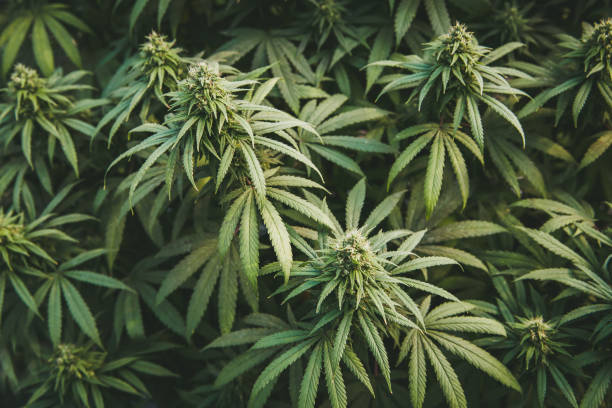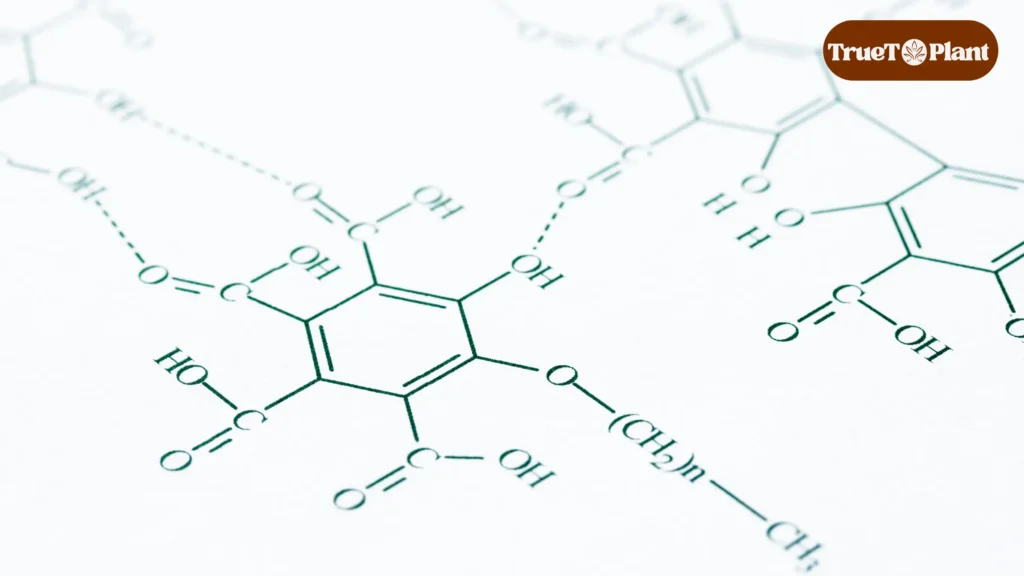
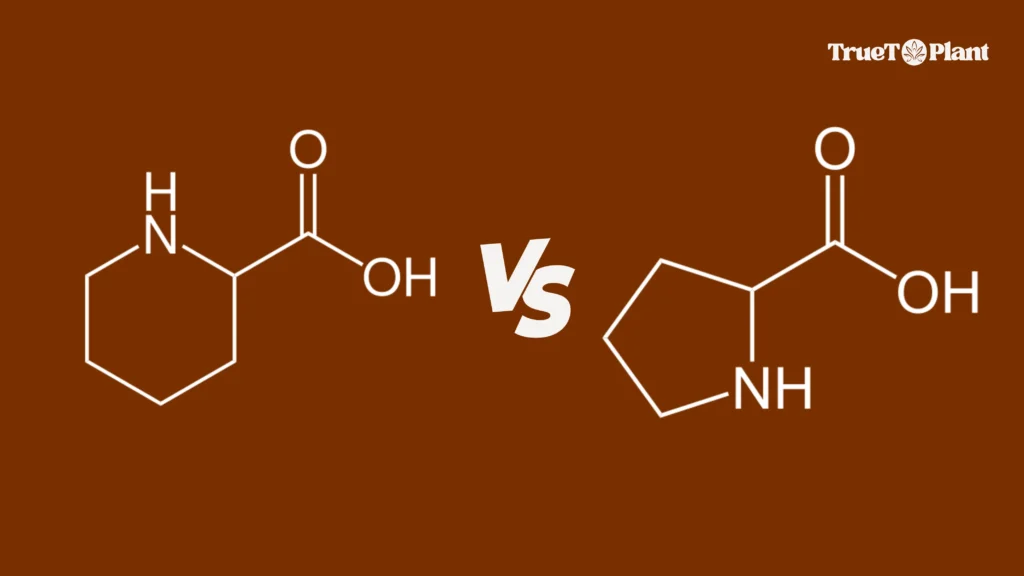
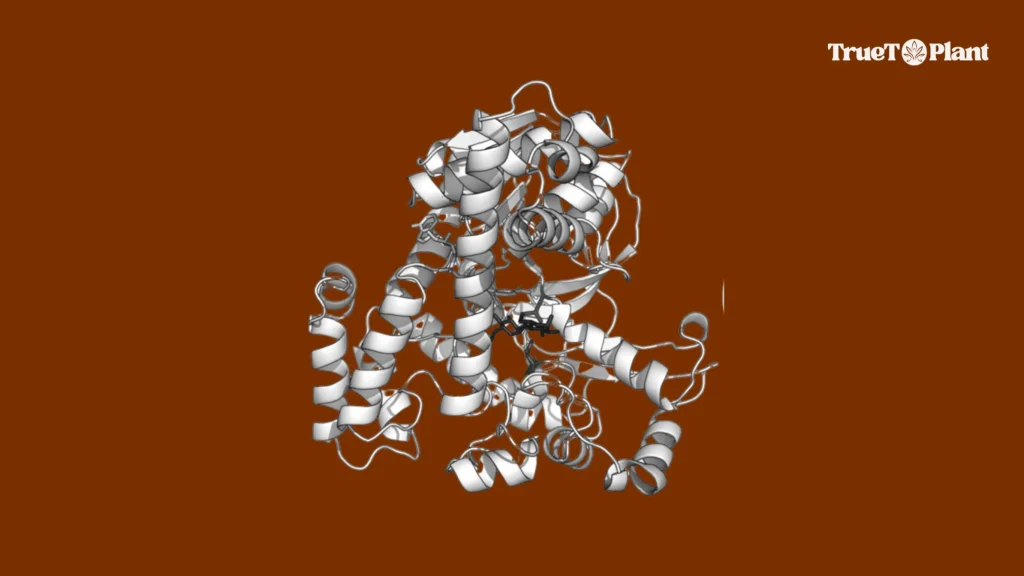

A single strawberry releases over 300 natural aroma compounds plants use to broadcast ripeness. That’s not excess – it’s precision communication evolved over millions of years. While researchers often prefer studying isolated compounds for simplicity, nature works in chemical blends that carry layered messages to pollinators, herbivores, and even fungal pathogens.
Take flowering plants in a tropical forest. During bloom, they shift from defensive green leaf volatiles to complex floral signatures dominated by monoterpenes and esters. These chemical blends don’t just attract pollinators – they coordinate fruit development timing and optimize seed dispersal by signaling exactly when wildlife should pay attention. Non-flowering plants emit entirely different profiles focused on chemical defenses, repelling herbivores while attracting their predators.
This complexity maintains ecological balance through what amounts to chemical conversations. One bacterial endophyte can regulate 16 different volatile compounds simultaneously – alcohols, pyrazines, acids – each playing a role in plant ecology. The blend matters more than any single compound. At True To Plant, we map these natural patterns because approximations miss the evolutionary logic. Real plant chemistry tells specific stories, and those details shape how organisms interact across entire ecosystems.
Do Plants Have Complex Chemistry?
Plants manufacture thousands of distinct natural compounds, and the numbers prove it. The Iris genus alone produces phenolic compounds, stilbenes, triterpenoids, quinones, amino acids, and organic acids across more than 320 species. Egyptian blue lily synthesizes at least 185 secondary metabolites, including 72 newly documented ones spanning 10 chemical classes like phenolic acids, flavonoids, and alkaloids.
This diversity serves real ecological functions. Plant terpenes blends coordinate wildlife interaction by signaling ripeness for seed dispersal while simultaneously deterring fungal pathogens through layered chemical defenses. In tropical forest environments, different species produce unique profiles tailored to their specific survival needs. Some plants generate rare C35-terpenes through hybrid biosynthetic pathways that fuse isoprenoid and polyketide structures into compounds called meroterpenoids.
Climate change disrupts these finely tuned systems by altering when and how plants produce chemical blends. Temperature shifts affect plant secondary metabolites synthesis timing, potentially mismatching fruit development with pollinator activity or seed dispersal windows. True To Plant maps these natural patterns because approximating plant chemistry with simplified formulas ignores evolutionary precision. When you understand that a single species can deploy hundreds of coordinated compounds, you recognize why shortcuts fail. Plant ecology depends on chemical conversations refined across millennia, and those details matter for everything from botanical formulations to maintaining ecological balance and preserving plant chemistry diversity across ecosystems.
Why Do Plants Make Chemical Compounds?
Plants synthesize chemical blends for two interconnected survival functions that shape entire ecosystems. These aren’t random mixtures – they’re targeted botanical formulations evolved to solve specific ecological challenges.
- Defense Systems – Plants lack mobility, so they manufacture deterrents instead. Pyrrolizidine alkaloids appear in over 6,000 species, delivering potent toxicity that stops herbivores from feeding. Origanum majorana and Mentha produce compounds that reduce insect oviposition and impair larvae development, protecting leaves and stems. These chemical defenses extend beyond insects to fungal pathogens, with flavonoids, polyphenols, and terpenoids creating hostile environments for disease. In tropical forest settings, this chemical warfare maintains ecological balance by preventing any single herbivore from overwhelming plant populations.
- Attraction Mechanisms – The same plants that repel threats also broadcast invitations. Scotch broom releases over 50 floral volatile organic compounds to draw bees and bumblebees for pollination. These complex signatures coordinate fruit development timing and optimize seed dispersal by signaling ripeness to wildlife. Recent biodiversity studies show that higher plant diversity creates more intricate floral volatile signals, which strengthens pollinator attraction across entire habitats. The blend complexity matters – single compounds can’t convey the layered information needed for wildlife interaction.
This dual-purpose chemistry explains why botanical formulations for plants require precision. At True To Plant, we recognize that approximating these patterns with simplified versions loses the functional logic plants spent millennia refining. Each compound plays a role in conversations that sustain plant chemistry diversity across ecosystems and influence how wild plants maintain chemical consistency despite changing environmental pressures.
Walking the Chemical Tightrope: Balancing Multiple Ecological Relationships
Consider how a single flowering plant manages contradictory survival needs. It must attract bees for pollination while repelling leaf-eating beetles, invite birds for seed dispersal during fruit development while deterring fungal pathogens, and coordinate all these interactions without confusing its audience. Chemical blends solve this puzzle through layered messaging that different organisms interpret differently.
Plant terpenes blends operate like multi-frequency broadcasts. A tropical forest shrub might release linalool and beta-caryophyllene simultaneously – pollinators respond to the floral notes while herbivore predators detect the defensive signal. The ratio matters as much as the presence. Shift the proportions, and you change who listens. This explains why plant secondary metabolites from flowers differ dramatically from vegetative tissue emissions, even within the same species.
The specificity gets remarkable when you examine timing. During bloom, plants reduce green leaf volatiles and amplify sweet esters to prioritize pollinator visits. Post-pollination, the profile shifts again to coordinate fruit ripening with seed dispersal windows, broadcasting readiness to wildlife while maintaining antifungal barriers. Each stage demands different chemical defenses balanced against attraction needs.
| Ecological Function | Primary Compound Classes | Target Organisms |
| Pollinator Attraction | Monoterpenes, Esters | Bees, Butterflies, Moths |
| Herbivore Deterrence | Sesquiterpenes, Alkaloids | Insects, Mammals |
| Pathogen Defense | Phenolics, Terpenoids | Fungi, Bacteria |
Plant ecology research shows that community-level diversity amplifies this complexity. When multiple species grow together, their combined volatile emissions create richer chemical environments that strengthen wildlife interaction across entire habitats. Individual plants adjust their output based on neighboring signals, fine-tuning ecological balance through chemical conversations increasingly decoded using data science in chemotype research.
True To Plant studies these multi-target patterns because simplified formulations miss the coordination logic. A blend designed only for aroma ignores the defensive and signaling layers that maintain stability across changing conditions. Climate shifts threaten these calibrated systems by disrupting synthesis timing, potentially decoupling fruit development from pollinator activity or seed dispersal readiness.
Why Do Plants Produce Toxic Compounds?
Toxicity is a survival strategy, not an accident. Plants rooted in place can’t flee predators, so they weaponize their tissues with alkaloids, tannins, and terpenoids that punish herbivores attempting to feed. These chemical defenses create immediate consequences – gut irritation, metabolic disruption, even lethality – that teaches insects and mammals to avoid particular species.
The sophistication extends beyond simple deterrence. When herbivorous insects do breach defenses, some carry gut symbionts capable of degrading plant toxins and manipulating jasmonic acid and salicylic acid signaling pathways that plants use to mount counterattacks. This evolutionary arms race drives continuous refinement of chemical blends across generations. Lamiaceae species demonstrate this precision through volatile terpenes and phenylpropanoids calibrated to reduce insect egg-laying and impair larval development before damage escalates.
Fungal pathogens face similar barriers. Plants deploy terpenoids, polyphenols, and alkaloids as antifungal shields, creating hostile biochemical environments that prevent colonization. These aren’t static defenses – plants modulate production intensity based on threat detection, ramping up synthesis when pathogen pressure increases. In tropical forest ecosystems, this chemical warfare maintains plant populations against constant microbial challenges while simultaneously managing competition from neighboring species through allelopathic compounds released into soil.
The same toxicity that repels threats complicates extraction for sustainable plant extracts. True To Plant accounts for these defense layers when mapping botanical profiles, recognizing that compounds evolved for ecological warfare carry functional specificity that generic formulations overlook. Toxicity reflects millions of years solving survival problems through chemistry.
What Makes Plant Reproduction Complex?
Reproduction demands chemical precision that unfolds across distinct biological stages. From flower to fruit to seed, plants recalibrate their volatile emissions to manage sequential ecological partnerships. This isn’t random variation – it’s coordinated messaging that ensures the next generation survives.
Step 1: Orchestrate Pollination Through Floral Volatiles – Before fruit development begins, flowers broadcast invitation signals through natural aroma compounds plants tailor to specific pollinators. Endophyte communities within reproductive tissues actively shape these emissions, regulating volatile production to maximize pollinator visits. The chemical conversation here differs entirely from vegetative defense profiles, prioritizing attraction over deterrence.
Step 2: Signal Ripeness for Seed Dispersal – Once pollination succeeds, fruits shift their chemical blends to recruit dispersers. Research on Rubus chingii demonstrates how endophyte populations change during fruit maturation, directly influencing volatile organic compound emissions that signal readiness to wildlife. In tropical forest ecosystems, this timing synchronizes fruit availability with seasonal frugivore activity, optimizing seed transport away from parent plants.
Step 3: Protect Seeds Through Allelopathy – Seeds carry plant secondary metabolites that inhibit competing seedlings and deter fungal pathogens during germination. Allelopathic compounds create exclusion zones around developing plants, reducing competition for resources. Studies on goldenrod extracts show antimicrobial activity against plant pathogens, demonstrating how chemical defenses extend protection beyond the parent plant into the next generation. Each reproductive stage requires distinct chemical blends calibrated to different ecological audiences, and modern tools increasingly help scientists predict chemotypes in plants to better understand these transitions.
Each reproductive stage requires distinct chemical blends calibrated to different ecological audiences. True To Plant recognizes that approximating these transitions loses the functional logic connecting pollination, dispersal, and establishment into successful reproduction.
From Rainforest to Lab: Real-World Examples of Chemical Complexity
Walk into Costa Rica’s La Selva Biological Station, and you’ll find Piper sancti-felicis demonstrating exactly why plant terpene blends defy simplification. Researchers analyzing this tropical forest species identified 132 distinct compounds in its essential oil, with sesquiterpenes dominating at 64.5% of the total profile. β-caryophyllene and germacrene D lead the mixture, but dozens of supporting compounds modulate the overall signature.
This isn’t botanical excess. Each compound serves targeted functions in fruit development timing, seed dispersal coordination, and defense against fungal pathogens that thrive in humid rainforest conditions. The sesquiterpene-heavy profile reflects evolutionary pressure from specific herbivores and pathogens endemic to La Selva’s ecosystem. Change the location, and Piper sancti-felicis adjusts its chemistry accordingly – a pattern metabolomics study confirmed this across populations.
Field research on tropical plants reveals how environmental partnerships shape these formulations. Arbuscular mycorrhizal fungi colonizing roots upregulate genes controlling mineral transport and sugar metabolism, which directly influences secondary metabolites production in leaves and stems. Funneliformis mosseae treatments boost chlorophyll, auxin, and cytokinin levels while increasing nutrient uptake of iron, calcium, molybdenum, and potassium. These shifts cascade into altered volatile emissions that affect wildlife interaction patterns and chemical defenses against pathogens.
True To Plant studies species like Piper sancti-felicis because their documented complexity exposes what generic botanical formulations for plants miss. When 132 compounds work together to maintain ecological balance across shifting seasonal pressures, approximations built from five or ten constituents lose functional coherence. The rainforest teaches precision through field-tested chemistry refined across millennia.
The Future of Plant Chemistry: Climate Change and Agricultural Applications
Climate shifts disrupt the chemical conversations plants have refined over millennia. Rising temperatures force plants to increase acyclic terpene emissions during drought and heatwave stress, altering the precise ratios that coordinate wildlife interaction and chemical defenses. When heat shifts volatile production timing, fruit development may peak before pollinators arrive, or seed dispersal signals broadcast when dispersers have migrated elsewhere. These mismatches threaten ecological balance across systems from tropical forest canopies to temperate agricultural fields.
Agricultural breeding now faces a counterintuitive challenge. Modern crop varieties selected for yield often lost the root chemistry that recruited beneficial microbes in their wild ancestors. Teosinte, maize’s wild relative, maintains microbial partnerships that suppress nitrogen loss by 30-40%, reducing fertilizer dependency through natural soil chemistry management. Reintroducing these traits into commercial lines could restore sustainable plant extracts production while cutting synthetic chemical inputs.
Diversified cropping systems already demonstrate this principle at scale. Intercropping legumes with cash crops increases yields 20-38% while building soil organic carbon 9% and reducing synthetic inputs 25-40% compared to monocultures. The mechanism traces directly to chemical blends – diverse plantings create richer volatile environments that strengthen pollinator networks and pathogen suppression across entire fields.
| Climate Impact | Chemical Effect | Agricultural Consequence |
| Temperature Increase | Elevated Terpene Emissions | Altered Pollinator Timing |
| Drought Stress | Shifted Volatile Ratios | Reduced Seed Dispersal Success |
| Marine Heatwaves | Metabolic Modulation | Enhanced Thermotolerance in Symbiotic Systems |
True To Plant tracks these patterns because climate change rewrites the rules governing plant chemistry. Formulations built on historical baselines may fail as environmental pressures reshape when and how plants produce their chemical blends.
Respecting Natural Complexity in a Simplified World
Modern formulation often chases simplicity – isolate one active compound, standardize its concentration, and call it done. That reductionist approach misses what plants actually do. When you reduce a 132-compound essential oil to three dominant constituents, you’re not creating efficiency. You’re discarding the functional architecture that makes botanical formulations for plants work across unpredictable conditions.
Dermatology research demonstrates this limitation clearly. Single-pathway ceramide products address only one aspect of skin barrier repair, while multi-pathway botanical formulations like those combining aquaporins with ceramides deliver broader efficacy by respecting how biological systems actually function. The same logic applies to plant ecology – chemical defenses, pollinator signals, and pathogen resistance operate simultaneously through layered chemical blends that single compounds can’t replicate.
Plants evolved as precision biomanufacturing systems, not crude mixtures awaiting human refinement. Each sesquiterpene ratio, every minor volatile, carries information refined across millennia of wildlife interaction, seed dispersal trials, and pathogen exposure in tropical forest crucibles. Approximating that with simplified versions loses the evolutionary intelligence embedded in natural formulations.
Plants already solved the complexity problem. Our job is documenting their solutions accurately. True To Plant builds formulations by mapping these natural patterns because respecting botanical intelligence means preserving the chemical conversations plants use to survive, reproduce, and sustain ecological balance across changing environments.