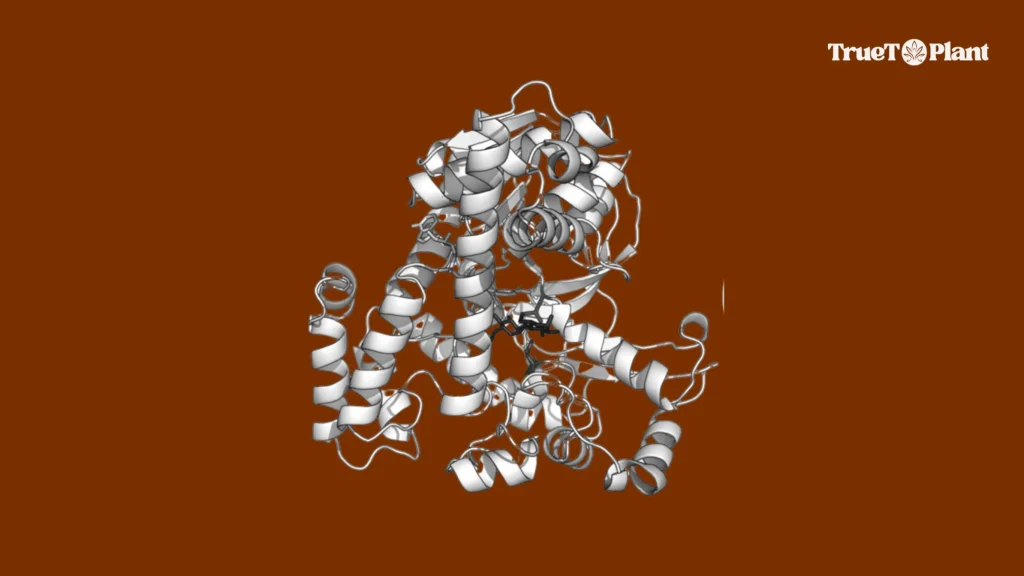

Plant-based chemistry represents a trillion-dollar opportunity. The U.S. crop protection chemicals market alone is projected to reach billions in value over the next decade, while construction chemicals and pharmaceutical sectors continue mining nature’s molecular diversity for commercial applications. This economic pull creates an uncomfortable reality: the most valuable plants often become the most vulnerable.
Consider Anoectochilus roxburghii, a medicinal plant whose pharmaceutical potential has made it endangered. Climate change compounds this pressure, shrinking suitable habitats by up to 70% in some regions. When we identify a plant compound worth commercializing, we simultaneously paint a target on that species and its ecosystem.
The tension runs deeper than simple supply and demand. Traditional ecological knowledge has guided communities to these valuable compounds for generations. Yet modern phytochemistry research often bypasses the communities who stewarded this knowledge, creating what researchers call biopiracy, the appropriation of genetic material and indigenous wisdom without equitable benefit sharing.
You face a genuine dilemma here. Advancing plant-based innovation could deliver sustainable alternatives to petroleum-derived chemicals and life-saving medicines. But the current commercialization model risks eroding the very biodiversity that makes these discoveries possible. We’re essentially harvesting the seed corn of future innovation.
This isn’t about choosing between progress and preservation. It’s about redesigning how we explore plant chemistry insights, from plant metabolite formation to downstream applications, to ensure commercial success strengthens rather than depletes botanical diversity. The stakes include both ecological stability and continued access to nature’s chemical library.
What Are the Major Threats to Plant Diversity?
Plant diversity faces four interconnected pressures that accelerate species loss at alarming rates. Understanding these threats helps us address the commercialization challenges facing medicinal plant chemistry and natural compound development.
Land-use change drives the most severe biodiversity decline. Agricultural expansion, urban development, and infrastructure projects fragment ecosystems and eliminate native habitats. Research on Mount Kilimanjaro documented a 75% loss of natural plant species on lower slopes between 1911 and 2022, primarily due to land conversion rather than environmental shifts. This pattern repeats globally as human activity reshapes landscapes.
Climate disruption compounds habitat pressure. Shifting temperature zones and altered precipitation patterns force species into smaller suitable ranges. Some medicinal plants face projected habitat reductions exceeding 70%, leaving populations isolated and vulnerable. Species can’t migrate fast enough to track their optimal growing conditions.
Overharvesting for medicinal and commercial markets depletes wild populations faster than they regenerate. Phytolacca acinosa exemplifies this crisis intensive collection combined with low seed germination rates has pushed this medicinal species toward extinction risk. International regulations under CITES attempt to control trade in threatened aromatic and medicinal plants, but enforcement remains inconsistent.
Commercial exploitation intensifies these pressures. When researchers identify valuable compounds in wild species, market demand typically surges before sustainable cultivation systems exist. This creates immediate harvesting pressure on remaining wild populations, particularly in biodiverse regions where local communities depend on these plants economically.
These threats don’t operate in isolation. They create cascading effects that make recovery increasingly difficult for vulnerable species, especially when plant secondary metabolites are the primary commercial target.
The Hidden Cost of Extracting Plant Chemistry
Identifying a commercially valuable plant compound sets off a predictable chain reaction. Demand spikes, wild populations shrink, and the molecular diversity we need for tomorrow’s discoveries disappears before we can study it.
Pinellia ternata illustrates this cycle perfectly. Global demand for this medicinal plant reached 7,000 tons annually, creating a market worth approximately 1 billion yuan. Wild populations couldn’t sustain this extraction rate. Researchers found that intensive collection depleted natural resources faster than regeneration could occur, forcing a shift toward cultivation methods. The pattern repeats across hundreds of species.
Commercial pressure changes harvesting behavior in documented ways. Studies of Himalayan medicinal plants like Nardostachys jatamansi and Fritillaria cirrhosa show that trade demand pushes collectors to harvest younger plants and entire populations rather than selective gathering. Traditional sustainable practices give way to extraction methods that maximize short-term yield.
The pharmaceutical and food industries face a particular challenge here. Black turmeric research demonstrates that environmental factors significantly influence a plant’s chemical profile and molecular diversity. When we eliminate wild populations or reduce genetic variation through overharvesting, we lose chemical variants that haven’t been characterized yet. Each lost population potentially contains unique phytochemical profiles valuable for future medicinal compound development including unstudied terpene and aromatic profiles documented across platforms like Cannabis Terpenes.
International frameworks like CITES now list over 1,600 medicinal and aromatic plant species requiring trade regulation. These protections acknowledge the direct link between commercial demand and species depletion. Yet enforcement gaps persist, particularly in biodiverse regions where economic incentives favor immediate harvest over long-term conservation.
We’re depleting our chemical library before we’ve finished reading it.
How to Increase Plant Diversity While Meeting Market Demand
Balancing commercial plant chemistry extraction with biodiversity conservation requires integrated strategies that work across multiple scales. Recent research demonstrates that cultivation approaches, genetic preservation, and landscape-level planning can maintain species richness while supporting market needs.
Cultivation models offer the most direct path to reducing wild collection pressure. Transitioning high-demand species from wild harvest to controlled growing environments protects remaining populations while securing supply chains. The Land Institute’s work with Kernza, a perennial grain developed for commercial markets shows how breeding programs can create economically viable crops that simultaneously improve wildlife habitat and increase soil microbial biodiversity. This dual-purpose approach generates shared value rather than forcing a choice between production and conservation.
Seed banking provides essential insurance against biodiversity loss. The Australian National Botanic Gardens’ conservation program has collected over 4,500 seed samples representing threatened species, with viability testing confirming germination rates that enable future restoration efforts. These repositories preserve genetic material before commercial pressures or climate shifts eliminate wild populations.
Habitat restoration reverses fragmentation that limits genetic diversity. Research on the Qinghai-Tibet Plateau demonstrates that sustainable management models incorporating native species alongside commercial cultivation maintain higher overall biodiversity than monoculture systems.
Sourcing partnerships with local communities build regenerative supply chains. Cultural practices often maintain plant diversity through traditional cultivation methods that preserve multiple varieties rather than selecting single high-yield strains. Companies developing plant-based products can collaborate with communities to establish cultivation cooperatives that protect genetic diversity while creating economic opportunities in biodiverse regions.
These approaches work best in combination. Seed banking protects against catastrophic loss while cultivation reduces immediate harvest pressure and restoration expands suitable habitat for both wild and managed populations.
What Is the Most Effective Way to Conserve Plant Diversity?
No single conservation method protects plant diversity effectively on its own. Evidence shows that combining in-situ protection, ex-situ repositories, and community engagement creates the most resilient safeguards for species under commercial pressure.
In-situ conservation maintains plants within their native ecosystems, preserving the environmental interactions that shape chemical diversity including variability in chemotypes that cannot be replicated outside natural habitats. Ethiopian studies document how community-managed sacred groves and traditional harvesting practices protect medicinal species like Hagenia abyssinica while allowing sustainable use.
Ex-situ facilities provide critical backup when habitat pressures overwhelm wild populations. Alpine botanical gardens now safeguard over 1,000 threatened mountain species through living collections and germplasm banks. Research demonstrates these repositories successfully maintain genetic diversity when collectors sample broadly from source populations.
Community stewardship bridges both approaches. Co-management models integrating traditional ecological knowledge with scientific monitoring achieve measurably better outcomes than top-down conservation programs. Indigenous communities often maintain multiple crop varieties and medicinal plant populations through cultural practices that inherently preserve diversity.
Commercial partnerships strengthen conservation when structured equitably. Companies sourcing plant-based chemistry can fund habitat restoration, support seed banking infrastructure, and establish cultivation cooperatives that reduce wild harvest pressure. Platforms like True To Plant demonstrate this integrated model by connecting sustainable sourcing with chemotype consistency rather than depletion-driven extraction.
Why Should Threats to Plant Diversity Be Taken Seriously?
Losing plant species means losing pharmaceutical possibilities we haven’t discovered yet. Over 40% of medicinal plants currently face threatened status according to IUCN assessments, and many will disappear before researchers can analyze their chemical composition. This creates a permanent gap in drug development pipelines that no synthetic chemistry can fill.
The economic consequences extend beyond missed medicines. Plant-based compounds underpin pharmaceutical industries valued in the billions, along with agriculture, construction materials, and sustainable alternatives to petroleum-derived products. Biotechnology advances in bioengineered plants are transforming medicine and agriculture, but they depend on genetic material sourced from diverse wild populations.
Recent discoveries underscore what’s at stake. Sprouting medicinal plants can produce bioactive metabolites at higher concentrations than mature specimens, revealing entirely new compound classes with therapeutic potential. These variations exist within species — meaning genetic diversity within populations matters as much as species counts.
Human health risks compound over time. Climate-driven biodiversity loss reduces the natural product reservoir available for addressing emerging diseases and antibiotic resistance. Kenya’s herbalists report numerous medicinal species disappearing from deforestation before researchers document their applications.
Building Ethical Supply Chains Without Destroying Source Ecosystems
Creating commercially viable plant-based chemistry supply chains requires frameworks that respect both ecological limits and human rights. The Nagoya Protocol establishes international standards for Access and Benefit-Sharing (ABS), requiring companies to obtain Prior Informed Consent from communities before collecting genetic material and to share profits equitably.
Successful implementation demonstrates measurable outcomes. The Kani Tribe in India receives benefit-sharing payments from Jeevani, a medicinal plant formulation derived from their traditional knowledge. South African Khoi-San communities secured formal ABS agreements for Buchu, ensuring both monetary compensation and non-monetary benefits like capacity building and cultural recognition.
Practical frameworks protecting habitat integrity include:
- Selective harvesting protocols aligned with plant metabolic cycles
- Cultivation partnerships establishing local growing cooperatives
- Transparent tracking systems documenting origin and processing
- Revenue-sharing mechanisms funding conservation and community development
Amazon rainforest value chains illustrate sustainable models. Brazil nut cooperatives generate income for indigenous communities while maintaining forest cover, since harvesting requires intact ecosystems.
Plant chemistry jobs increasingly require expertise in ethical sourcing alongside phytochemical analysis. Brands such as Entour show how plant-based innovation can scale while prioritizing integrity, transparency, and biodiversity protection.
Chemistry With Conscience
Commercialization doesn’t have to cannibalize conservation. The botanical supplements market projects growth to $145 billion by 2034, while bio-based chemical feedstocks replace petroleum derivatives across industries. This expansion creates leverage for biodiversity protection when companies structure supply chains around regenerative principles rather than extractive models.
Your procurement decisions shape which model prevails. Prioritize suppliers who document chain of custody, fund habitat restoration, and protect chemical diversity through chemotype-driven sourcing. Support platforms that recognize plants not as raw materials, but as living chemical systems shaped by ecology, genetics, and stewardship.
The window for preserving our molecular library narrows daily. We either redesign plant chemistry commerce now or explain to future researchers why we eliminated their source material before they could study it.