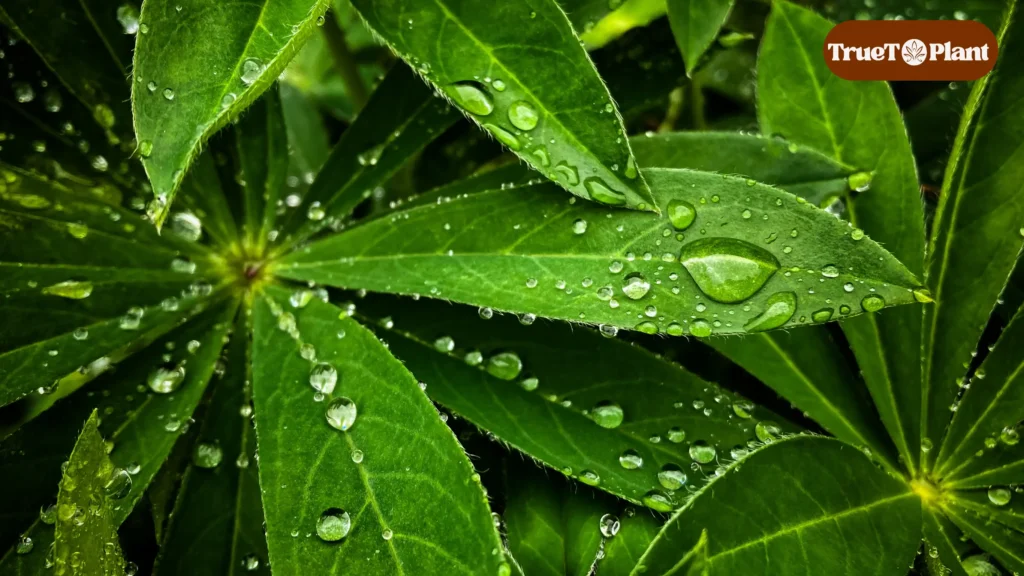

Pick rosemary from the same plant in spring versus autumn, and you get different phytochemical profiles. Research on wild rosemary shows essential oil yields fluctuate by 40% across harvest seasons, with distinct shifts in bioactive compounds. Soil composition, rainfall patterns, and even time of day alter the phenolic and flavonoid content in plant extracts processes rooted in plant metabolite formation.
This isn’t a quality problem. It’s botanical reality.
Natural ingredients carry inherent batch-to-batch variation that synthetic actives don’t. When your chamomile extract arrives with 15% more apigenin than the previous batch, your formulation must maintain consistent performance and safety. Cosmetic science and formulation design face a genuine challenge: how do you create reliable products from materials that change?
The answer isn’t to eliminate variability through excessive processing. Smart formulation design acknowledges these shifts and builds adaptive systems around them. You test each batch. You adjust ratios within validated ranges. You design buffers that accommodate natural fluctuation without compromising efficacy or stability.
This approach requires more sophisticated cosmetic science, not less. It demands rigorous analytical methods, flexible formulation platforms, and a deeper understanding of how plant chemistry behaves across growing conditions.
What Is the Role of Natural Products in Cosmetics?
Natural products in cosmetics serve specific functional roles backed by measurable biological activity. Plant-based ingredients contribute antioxidants like polyphenols and flavonoids that protect skin from oxidative stress. They provide emollients such as plant oils rich in fatty acids that support barrier function. Some botanicals offer antimicrobial compounds that extend product shelf life without relying solely on synthetic preservatives.
Rosa damascena extracts, for instance, deliver documented antioxidant activity alongside skin-conditioning properties. The phytochemical composition includes phenolic compounds and essential oils that perform multiple functions within a single ingredient.
The cosmetic industry is shifting from treating natural ingredients as mere approximations of synthetic actives to recognizing their distinct botanical profiles. Rather than standardizing extracts to mimic lab-derived compounds, modern formulation design embraces the complexity of plant chemistry. This means working with ingredients that contain dozens of bioactive molecules functioning synergistically, not just isolated single compounds.
This evolution requires different analytical approaches. You need to characterize botanical ingredient variations beyond a single marker compound. Advanced extraction technologies now preserve broader phytochemical spectra while maintaining batch consistency within acceptable ranges.
The functional value extends beyond individual compounds. When formulation scientists respect the complete chemical fingerprint of an extract, they capture interactions between constituents that isolated actives cannot replicate. A chamomile extract offers more than just bisabolol; it provides flavonoids, terpenoids, and coumarins working together.
This represents authentic botanical expression in cosmetic science using plant materials for their inherent complexity rather than forcing them into simplified, synthetic-equivalent roles.
Secondary Metabolites: The Active Intelligence of Plants
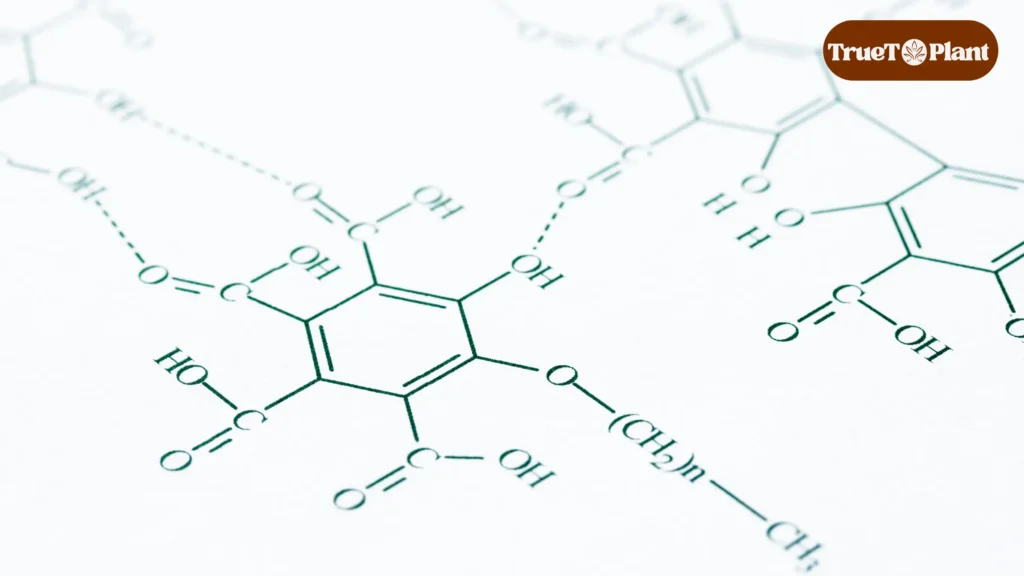
Plants don’t manufacture complex chemistry by accident. Plant secondary metabolites compounds like terpenes, phenolics, and alkaloids function as botanical defense systems. When aphids attack or environmental stress hits, plants upregulate biosynthesis pathways to produce protective molecules. These aren’t nutritional compounds. They’re survival intelligence encoded in phytochemistry.
The same rosemary species produces distinct chemotypes depending on growing conditions. One population synthesizes high camphor concentrations. Another prioritizes eucalyptol or verbenone. Genetic expression responds to soil mineral content, climate patterns, and microbial interactions. This creates botanical ingredients with fundamentally different chemical fingerprints from identical plant species.
Cosmetic science faces a choice: isolate single molecules or preserve phytochemical complexity. Research on Mediterranean plant extracts demonstrates that whole botanical preparations deliver enhanced antimicrobial and antioxidant activity compared to isolated compounds. The synergy between multiple constituents often referred to as the entourage effect produces biological responses that purified actives cannot replicate.
When you extract bisabolol from chamomile and discard the flavonoids and coumarins, you eliminate the molecular interactions that evolved together. Modern formulation design that respects plant chemistry works with complete phytochemical profiles rather than forcing botanicals into single compound frameworks.
This requires analytical methods sophisticated enough to characterize dozens of bioactive molecules simultaneously. It demands formulation platforms flexible enough to accommodate natural compositional shifts while maintaining performance standards. The complexity isn’t a formulation obstacle, it’s the functional advantage plant-derived ingredients offer.
Why Is Cosmetic Science Important?
Cosmetic science transforms unpredictable botanical materials into products that meet consistent safety and performance standards. Without rigorous formulation design, a chamomile cream might soothe skin beautifully in one batch and trigger irritation in the next due to uncontrolled phytochemical variation.
The Modernization of Cosmetics Regulation Act reinforces why this discipline matters. Manufacturers must substantiate product safety, report adverse events, and follow good manufacturing practices. You can’t meet these requirements through guesswork or tradition alone. Science-backed testing protocols identify potential allergens, verify stability across shelf life, and ensure ingredients remain biocompatible at specified concentrations.
Standardization becomes particularly critical with plant-derived ingredients. When apigenin levels in chamomile fluctuate by 15% between harvests, cosmetic science provides the analytical methods to characterize each batch and adjust formulations within validated parameters. This prevents the quality inconsistencies that undermine consumer trust.
Efficacy testing confirms that products deliver claimed benefits. A serum marketed for antioxidant protection needs measurable free radical scavenging activity, not just botanical ingredients with theoretical potential. Cosmetic science bridges the gap between plant chemistry’s inherent complexity and the reliable performance consumers expect from every bottle they purchase.
How Do You Ensure the Stability of a Cosmetic Formulation?
Formulation stability testing follows structured protocols that expose products to accelerated aging conditions. You subject batches to temperature cycling between 4°C and 45°C, measure pH shifts over time, and monitor microbial contamination under controlled conditions. These accelerated studies predict how formulations behave across typical shelf life without waiting three years for real-time data.
Preservation systems protect against bacterial and fungal growth that would compromise safety. Natural formulations often combine multiple antimicrobial strategies rather than relying on single preservatives. Organic acids adjust pH to levels where pathogens struggle to proliferate. Essential oils contribute phenolic compounds with documented antimicrobial activity.
pH balancing affects both stability and skin biocompatibility. Most skin-applied formulations target pH ranges between 4.5 and 6.0 to match the acid mantle. Buffering systems prevent pH drift as ingredients interact during storage.
Botanical variability demands batch-specific analytical protocols. Each incoming extract undergoes chromatographic fingerprinting to map its phytochemical profile. Chemotype identification ensures formulators understand whether a rosemary batch aligns with camphor-dominant or verbenone-dominant variants an approach central to chemotype classification in essential oils.
What Is the 1% Rule in Skincare?
The 1% rule refers to FDA labeling regulations that allow cosmetic manufacturers to list ingredients present at concentrations of 1% or less in any order after the predominant ingredients. Above this threshold, ingredients must appear in descending order by weight.
This matters significantly when evaluating complex botanical blends. Research on plant extract bioactivity demonstrates that concentration directly influences therapeutic outcomes. A chamomile extract at 0.5% delivers different antioxidant capacity than the same extract at 2%. Without disclosed percentages, you cannot assess whether actives reach efficacious thresholds.
Formulation transparency becomes especially important when brands position themselves as botanically driven or science-led.
Chemotype Mapping: Turning Variability Into Reliability
Chemotype standardization solves the formulation paradox: how do you scale botanical products when every harvest delivers different phytochemical ratios?
Traditional suppliers treat lavender as lavender, ignoring whether you received linalool-dominant or camphor-dominant populations. Chemotype mapping takes a different path by classifying botanicals according to dominant chemical constituents rather than species name alone.
Gas chromatography–mass spectrometry enables precise chemotype identification, transforming unpredictable plant material into categorized botanical inputs with known performance parameters. This is the foundation of chemotype-based formulation systems used by True To Plant.
Once chemotypes are characterized, formulation platforms adapt to accommodate their distinct profiles. Preservation systems adjust, antioxidant blends compensate, and efficacy remains consistent despite natural variation.
Cannabis Terpenes and Beyond: Expanding the Botanical Toolkit
Cannabis terpenes represent a frontier in botanical formulation design that most cosmetic scientists overlook. These volatile compounds deliver documented anti-inflammatory and antimicrobial activity alongside antioxidant properties. Beta-caryophyllene interacts directly with skin’s endocannabinoid receptors, while limonene and myrcene support barrier function and sensory performance.
Because terpene profiles shift dramatically between cultivars, formulation requires the same analytical rigor applied to essential oils. Resources such as Cannabis Terpenes document terpene-specific bioactivity and chemotypic variation relevant to formulation science.
Brands like Entour apply chemotype-driven terpene standardization to create consistent, functional botanical systems rather than treating terpenes as fragrance additives.
Formulation Designed Around Plants, Not Despite Them
Standardization of botanical ingredients doesn’t mean stripping away complexity. The goal is predictable performance from inherently variable materials. Secondary metabolites evolved together for biological reasons, and formulation science works best when it preserves those interactions.
True botanical formulation acknowledges plant intelligence rather than forcing it into synthetic frameworks. By building formulation platforms around plant chemistry, brands achieve traceability, reliability, and authentic performance bridging natural variability with modern consumer expectations.